
Caring for a newborn’s razor-sharp fingernails can be one of the most nerve-wracking tasks for new parents. The safety of using an electric nail trimmer, such as the Momcozy nail trimmer, on a newborn depends heavily on the specific design of the device, the abrasiveness of the grinding pads, and the caregiver’s handling technique. While these electric devices are generally designed to file rather than cut—significantly reducing the risk of deep snips associated with traditional clippers—parents must still verify the age-appropriateness of the attachments and closely observe their baby’s skin response. By understanding how to evaluate the safety features of these tools and mastering gentle handling techniques, you can transform a stressful chore into a calm, safe routine for your infant.
How Electric Nail Trimmers Protect Newborn Fingers
Traditional baby nail clippers require precise alignment and a steady hand, as their sharp metal blades can easily nick the delicate, fleshy skin surrounding a newborn’s tiny fingernails. In contrast, an electric baby nail trimmer utilizes a rotating, cushioned grinding pad that gently files down the nail edge through friction rather than shearing force. This fundamental safety design means that even if the rotating pad briefly brushes against the surrounding skin, it is far less likely to cause the deep, painful cuts or bleeding that can occur with manual clippers. The filing action gradually wears down the nail, allowing parents to maintain precise control over how much nail length is removed.
Many modern electric trimmers incorporate physical barriers or recessed pad designs to further minimize direct skin contact with the spinning motor shaft. The grinding pad is typically mounted on a central spindle that sits slightly recessed within the head of the device, or is surrounded by a protective plastic collar. This collar acts as a physical guard, helping to prevent the baby’s finger from slipping too far into the mechanism. When evaluating any electric trimmer, parents should inspect these physical barriers to ensure they are securely attached and free from sharp plastic edges that could scratch the baby.
Products mentioned in this guide
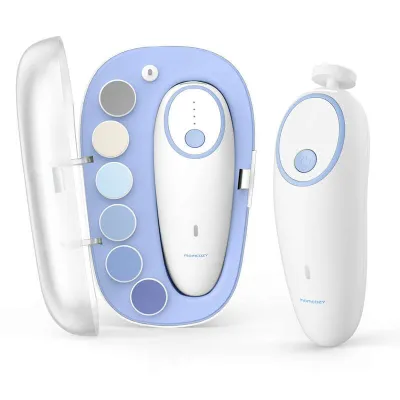
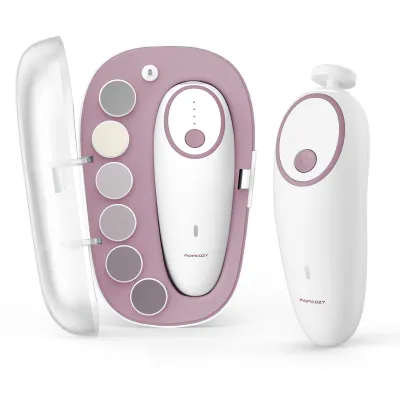
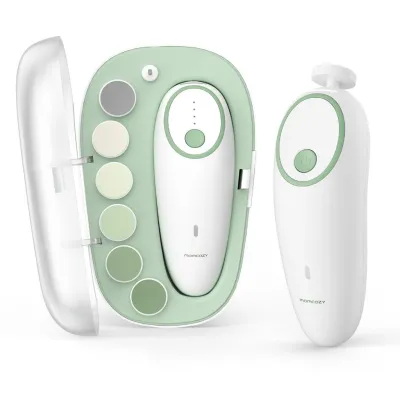


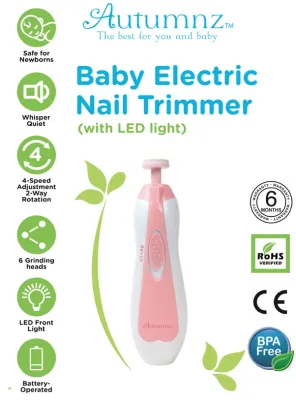
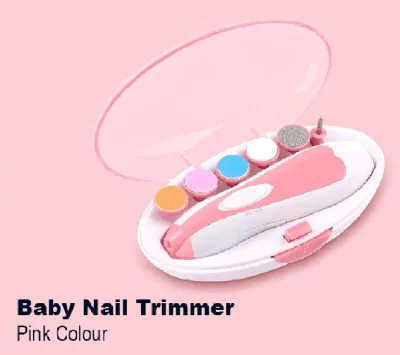
Prices are valid at publication and may change. Please refer to the product page for the latest price.
Before using any electric nail trimmer for the first time, it is critical to check the specific model’s packaging and instruction manual for explicit age recommendations and weight limits. Manufacturers design different grinding pads and speed settings tailored to specific developmental stages, and using an attachment meant for an older infant on a newborn can lead to skin irritation. Never assume a device is suitable for a newborn simply because of its product name or marketing category. Always verify that the documentation explicitly states the device is safe for use from birth and follow the manufacturer’s guidelines for initial setup.
Checking the Grinding Pads for Delicate Newborn Skin
The key to safely using an electric nail trimmer on a newborn lies in selecting the correct grinding pad, which must match the extreme delicacy of newborn skin and nails. Most electric trimmer kits come with multiple color-coded or labeled pads, each featuring a different level of grit or abrasiveness. For a newborn aged zero to three months, you must identify and use the pad specifically designated for this youngest age group, which typically features the finest, softest grit. Using a pad intended for older babies or toddlers can quickly abrade the newborn’s thin nail bed and cause pain or injury.

Before applying the trimmer to your baby’s nails, perform a simple tactile test on your own skin to gauge the pad’s abrasiveness. Turn the device on to its lowest setting and gently press the spinning pad against your inner wrist or the sensitive skin of your cheek. The sensation should feel like a soft, smooth vibration rather than a harsh, scraping, or scratching feeling. If the pad feels rough or irritating on your own sensitive skin, it is far too abrasive for a newborn’s paper-thin nails and delicate fingertips, and you should verify if you have installed the correct attachment.
Additionally, make it a habit to visually inspect the grinding pads for wear, tear, or loose abrasive particles before every single grooming session. Over time, the adhesive holding the grit to the cushioned pad can degrade, or the foam backing can become compressed and uneven. Loose abrasive particles can detach during use and potentially get into the baby’s eyes or scratch their skin, while a worn-down pad may require you to apply excessive pressure, increasing the risk of friction burns. If you notice any peeling, cracking, or uneven wear on the pad, discard it immediately and replace it with a fresh, manufacturer-approved newborn attachment.
Assessing Vibration Levels and Motor Speeds
The motor performance of an electric nail trimmer plays a significant role in both physical safety and the baby’s comfort. Before bringing the device near your newborn, test the vibration intensity by holding the handle and placing the spinning head against the palm of your hand. The vibration should feel consistent, smooth, and low-intensity; any erratic jumping, harsh rattling, or sudden surges in speed indicate a potential mechanical issue or low battery power. A smooth, steady vibration allows you to maintain a stable grip and apply consistent, gentle pressure without the device slipping out of your hand.
Adjustable speed settings are a vital safety feature, and the lowest, gentlest speed setting is strictly necessary when trimming a newborn’s nails. Newborn nails are incredibly soft and pliable, requiring very little friction to file down effectively. Operating the trimmer at a high speed increases the rate of friction, which can rapidly generate heat on the tiny nail bed and cause sudden discomfort or burns before you can react. Always start the device on its lowest speed setting and keep it there throughout the entire session, resisting the urge to speed up the process.
Beyond physical touch, the noise level of the motor must be carefully evaluated, as sudden or loud mechanical sounds can easily startle a sensitive infant. A startled baby is likely to jerk their hands or cry, making safe grooming nearly impossible and increasing the risk of accidental contact with the skin. To mitigate auditory stress, test the device’s noise level in a quiet room before use. If the motor seems loud, consider trimming your baby’s nails while they are in a deep sleep, or introduce the sound of the device gradually from a distance while comforting them, ensuring they associate the gentle hum with a calm environment.
Step-by-Step Safe Handling and Trimming Techniques
To minimize the risk of accidental friction, overheating, or skin injury, parents must master a secure and methodical handling technique. Begin by holding your baby’s hand firmly but gently in your non-dominant hand, using your fingers to isolate a single digit at a time. Gently press down on the fleshy pad of the baby’s fingertip to pull the skin slightly away from the nail edge, exposing the entire nail plate. This simple action creates a safe clearance zone, ensuring that the spinning grinding pad makes contact only with the nail itself and not the surrounding skin.
When applying the spinning pad to the nail, hold the trimmer at a slight angle—typically around 50 to 60 degrees relative to the nail bed—and use extremely light pressure. Let the rotation of the pad do the work; you should never press the pad hard against the nail, as this can stall the motor or cause rapid heat buildup. Keep the contact time brief, moving the pad in gentle, sweeping motions across the nail edge rather than holding it in one spot for more than a second or two. This sweeping technique prevents localized friction heat and ensures an even, smooth finish without sharp corners.
Timing is just as important as technique when it comes to safe newborn nail care. Attempting to trim the nails of an active, squirming, or hungry baby greatly increases the likelihood of sudden movements and accidental slips. The ideal time to trim is when your baby is calm, feeding, or fast asleep in a well-lit room. Many parents find that grooming during a deep post-feed nap is the most successful approach, as the baby’s muscles are relaxed, allowing you to gently manipulate their tiny fingers without resistance or sudden startle reflexes.
Warning Signs and When to Stop Using the Device
Even when using a gentle electric trimmer, parents must remain highly vigilant and watch for any signs that indicate the process should be paused or stopped. During the trimming session, closely monitor the skin around the baby’s nails for any observable signs of irritation, such as sudden redness, localized warmth, or tiny micro-abrasions. If your baby whimpers, pulls their hand away repeatedly, or shows other behavioral signs of discomfort, stop using the device immediately. Their skin or nail beds may be highly sensitive, or the friction may be generating uncomfortable heat that requires a break or a change in technique.
You must also be alert to any signs of device malfunction that could compromise safety. If you notice the grinding pad heating up, the motor stalling frequently under minimal pressure, or the spinning action becoming erratic and jerky, turn off the trimmer immediately. These symptoms often point to a failing motor, a damaged spindle, or depleted batteries, all of which can cause unpredictable movement and increase the risk of skin contact. Do not attempt to resume trimming until you have replaced the batteries or verified that the device is functioning perfectly.
If your newborn has unusually thick nails, pre-existing skin conditions like eczema on their hands, or if you consistently notice skin irritation after using the electric trimmer, it may be time to explore alternative grooming methods. You can switch to manual baby nail scissors with rounded safety tips, or use a simple, ultra-fine manual emery board designed specifically for infants. If you observe persistent redness, swelling, or signs of infection around the baby’s cuticles, discontinue all nail grooming and consult a pediatrician or qualified healthcare professional for guidance.
Frequently Asked Questions (FAQ)
Can I use the Momcozy trimmer on my newborn's toenails?
Yes, you can use the trimmer on your newborn’s toenails, but you must exercise extra caution due to the differences in nail shape and growth. Newborn toenails are typically flatter, softer, and grow much slower than fingernails, often sitting very close to the surrounding skin of the toe. To file them safely, use the same ultra-fine newborn grinding pad on the lowest speed setting, and carefully pull the fleshy toe pad downward to isolate the nail. Keep the contact time extremely brief to avoid irritating the delicate skin of the toes, which can be highly sensitive to friction.
What should I do if the trimmer accidentally touches the baby's skin?
If the spinning grinding pad accidentally makes contact with your baby’s skin, immediately turn off the device and gently inspect the area under good lighting. Look closely for any signs of redness, warmth, or minor micro-abrasions, taking care not to rub or irritate the skin further. If the skin is intact but slightly red, gently clean the area with cool water and monitor it over the next few hours to ensure the redness fades. If you notice any bleeding, broken skin, persistent swelling, or signs of infection, consult a qualified healthcare professional or pediatrician for appropriate care instructions.

Community discussion
Share your experience or ask a question. Comments are reviewed before publication.