
Electric baby nail files, such as those from Lollababy, are generally safe for sensitive newborn skin, provided caregivers select the correct age-appropriate filing pad and operate the device on its lowest speed setting. Unlike traditional clippers that shear the nail, these battery-operated devices use rotating cushioned pads to gently wear down sharp edges. However, because a newborn’s skin barrier is exceptionally thin and delicate, safety is not automatic. Caregivers must actively monitor the skin’s reaction, maintain continuous movement to prevent friction heat, and strictly follow the manufacturer’s age recommendations for each pad color or texture.
How Electric Nail Files Work on Baby Skin
To understand why electric nail files are a popular choice for infants, it helps to look at how they interact with delicate keratin. Traditional baby nail clippers rely on a shearing force, pressing two sharp metal blades together to cut through the nail. This action can easily nick the surrounding skin if the baby squiggles or if the blade is positioned slightly off-center. In contrast, an electric nail file uses a rotating disc covered in a fine abrasive material. This disc files the nail down through gradual abrasion, smoothing out sharp corners without applying sudden, high-pressure force to the fingertip.
While abrasion is generally gentler than shearing, it introduces its own set of physical risks that parents must manage. The primary concern with any rotating tool is friction. If the filing pad is held in one spot for too long, the rapid spinning action can generate localized heat, leading to discomfort or minor friction burns on the baby’s sensitive skin. Additionally, if the gap between the rotating pad and the device housing is too wide, or if the tool is pressed too firmly, the soft skin of the fingertip can get caught or pinched.
Products mentioned in this guide
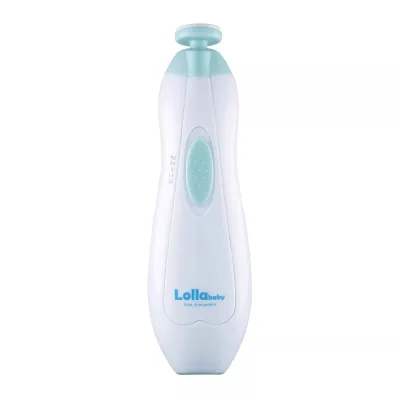
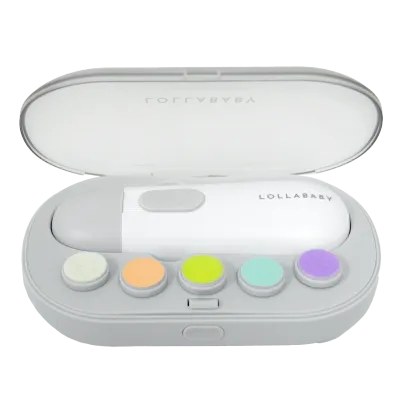
Prices are valid at publication and may change. Please refer to the product page for the latest price.
Newborn skin requires a much higher level of caution than the skin of older infants or toddlers. A newborn’s outer skin layer, the epidermis, is significantly thinner and more permeable, making it highly susceptible to irritation and abrasion. Because their nails are incredibly soft and pliable, they do not require heavy pressure or high speeds to file down. Operating the device on the lowest speed setting minimizes the risk of over-filing, which can expose the sensitive nail bed underneath and cause pain.
Evaluating Safety Features to Look For
When choosing an electric nail file for a newborn, parents should carefully evaluate several key design features and specifications. The most critical component is the filing pad itself. Most manufacturers provide a color-coded system of interchangeable pads, each designed for a specific age range or nail thickness. For a newborn, you must verify that you are using the finest, softest grit pad available in the set. Using a pad intended for older babies or adults can quickly abrade a newborn’s skin and cause painful scratches.

Adjustable speed and rotation settings are equally vital safety features. A high-quality electric nail file should offer at least two speed levels—low and high—allowing you to start with the gentlest setting. It is also beneficial to look for devices that offer dual-direction rotation. This feature allows you to change the direction of the spin depending on whether you are filing the left or right hand, ensuring that the pad always files away from the skin rather than pulling the skin toward the rotating edge.
Beyond the filing mechanism, secondary features can significantly improve the safety of the grooming process. An ergonomic handle ensures a secure grip, reducing the likelihood of the device slipping out of your hand during use. A quiet motor is essential to prevent startling a sleeping or relaxed baby, while a built-in LED safety light illuminates the tiny fingernails, helping you see exactly where the pad meets the nail even in low-light conditions. Always check the product manual to verify how these features operate before your first session.
Step-by-Step Safe Filing Technique for Newborns
Establishing a calm, methodical routine is the best way to prevent accidental skin irritation or friction burns. Timing is everything when it comes to grooming a newborn. Attempting to file the nails of an active, squirming baby increases the risk of the tool slipping. Instead, schedule your grooming sessions when your baby is deeply relaxed, such as during a nap, immediately after a feeding, or while they are calm and still.
To begin, hold the baby’s hand securely but gently. Use your thumb and forefinger to isolate a single digit, gently pressing the finger pad downward and away from the nail edge. This action exposes the nail fully and pulls the surrounding skin out of the path of the rotating pad. Hold the electric file at a slight angle, roughly 50 to 60 degrees relative to the nail, rather than flat against the fingertip. This angle helps target the nail edge while keeping the abrasive surface away from the delicate skin underneath.
Apply very light pressure; let the rotation of the pad do the work. Keep the device in constant, gentle motion across the nail edge, moving from one side to the other. Never hold the spinning pad in a single spot for more than a second or two, as this prevents friction heat from building up on the nail bed. Periodically pause to check your progress and ensure you have not filed the nail down too close to the skin. Once the sharp edges are smooth, gently wipe the fingertip with a soft, damp cloth to remove any fine nail dust.
Recognizing and Managing Minor Skin Irritation
Even with careful technique, minor skin irritation can occasionally occur. It is important for parents to be able to distinguish between temporary redness and actual skin damage. A slight, transient pinkness on the skin surrounding the nail is common and often caused by mild friction or increased blood flow to the area. This redness should fade quickly within a few minutes after you stop filing.
If you notice actual cuts, abrasions, or broken skin, you must stop the procedure immediately. For minor friction scrapes where the skin is red but not bleeding, wash the area gently with cool, clean water to soothe the skin and remove any residual nail dust. Pat the area dry with a clean towel; do not rub. Avoid applying harsh chemical creams, scented lotions, or adult antiseptic ointments to a newborn’s hands, as babies frequently put their fingers in their mouths, posing an ingestion risk.
Monitor the area closely over the next 24 hours. If you observe signs of infection—such as persistent redness that spreads, swelling, warmth, or pus—or if the baby seems to be in constant pain, consult a qualified pediatrician immediately. Additionally, if the skin is accidentally cut and continues to bleed after applying gentle pressure with a clean cloth for a few minutes, seek professional medical advice.
Electric Files vs. Traditional Baby Nail Clippers
Deciding whether to use an electric nail file or traditional clippers depends largely on your comfort level and your baby’s specific needs. Electric files offer a significant advantage in terms of safety and finish. They gradually wear down the nail, leaving a smooth, rounded edge that prevents the baby from scratching their own face. Because they do not have sharp cutting blades, the risk of deep, painful cuts is substantially lower, making them an excellent choice for anxious parents.
However, traditional baby clippers or safety scissors have their own advantages. They are highly efficient at quickly removing length from longer nails, whereas an electric file can take longer to grind down a significant amount of nail growth. Some parents find a hybrid approach works best: using clippers to carefully trim the bulk of the nail, followed by an electric file to smooth out the sharp corners and rough edges.
Regardless of which tool you choose, maintaining proper hygiene is essential to protect your baby from bacteria. For electric files, regularly clean the device housing with a dry or slightly damp cloth, ensuring no water enters the motor compartment. Store the device and its accessories in a dry, dust-free case. In humid climates like Singapore, keeping the grooming kit in a well-ventilated area prevents moisture buildup and mold growth on the filing pads, preserving their effectiveness and hygiene.
Frequently Asked Questions (FAQ)
How often should I file my newborn's nails?
Newborn fingernails grow surprisingly fast, often requiring attention once or twice a week to prevent accidental self-scratching. Their toenails, however, grow much slower and may only need to be filed once or twice a month. Instead of sticking to a rigid calendar schedule, rely on observable signs. Inspect your baby’s hands daily; if you can feel sharp edges or see the nails extending past the fingertips, it is time for a quick touch-up session.
Can I use an electric nail file on my baby's toenails?
Yes, you can safely use an electric nail file on your baby’s toenails, but you must adjust your approach. Toenails are typically thicker and flatter than fingernails, and the toes themselves are smaller and closer together. Use the same fine-grit newborn pad, but take extra care to separate each toe gently to avoid friction on the adjacent skin. File straight across rather than rounding the corners deeply, which helps prevent the development of painful ingrown toenails.
When should I replace the filing pads?
Filing pads gradually lose their abrasive texture over time, becoming smooth and less effective. If you notice that filing takes significantly longer than usual or requires you to apply more pressure to achieve the same result, the pad is likely worn out. Using a worn pad increases friction heat without actually trimming the nail, which can irritate the skin. Inspect the pads regularly for signs of wear, peeling, or discoloration, and replace them according to the manufacturer’s guidelines to maintain optimal safety and performance.

Community discussion
Share your experience or ask a question. Comments are reviewed before publication.