
Caring for a newborn in Singapore involves navigating many delicate tasks, but few cause as much anxiety for new parents as trimming tiny, paper-thin baby nails. A newborn’s nails grow surprisingly fast and are often sharp enough to scratch their sensitive face, yet their fingers are so small that using standard adult grooming tools poses a genuine risk of injury. Choosing the right baby nail trimmer requires understanding the unique physical characteristics of infant nails, comparing the safety features of different tool types, and learning how to handle these tools with confidence. By focusing on ergonomic designs, gentle filing mechanisms, and proper visibility aids, you can keep your baby’s hands scratch-free without the fear of accidental nicks.
To make an informed decision, parents must evaluate how different trimmers perform on soft, pliable nails and consider their own comfort levels with clipping versus filing. The ideal grooming tool is one that minimizes the risk of skin contact while allowing you to work quickly and quietly, especially if you prefer to trim nails while your baby is asleep. This guide breaks down the essential factors to consider when selecting a baby nail trimmer in Singapore, compares the main product categories, and outlines safe grooming practices to ensure a stress-free experience for both you and your little one.
Why Newborns Need Specialized Nail Trimmers
Newborn nails are anatomically very different from adult nails. During the first few weeks of life, an infant’s nails are exceptionally soft, flexible, and closely adhered to the underlying skin of the nail bed. The boundary between the nail edge and the sensitive skin pad of the fingertip is incredibly narrow, making it difficult to distinguish where the nail ends and the skin begins. Because newborn nails grow rapidly, they can quickly become jagged, leading to accidental scratches on the baby’s face and body as they learn to control their hand movements.
Products mentioned in this guide
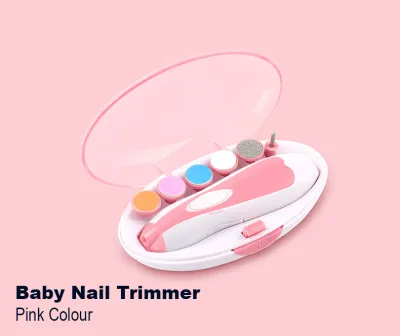
![[SG SELLER] Electric Baby Nail Trimmer with LED Light 6 in 1 Baby Nail File Kit No Claws Hurt for Newborn Toddler](https://img.lazcdn.com/g/p/02552c6b2758eefb2cb6fa7e9c4e898d.jpg_400x400q80.jpg_.webp)
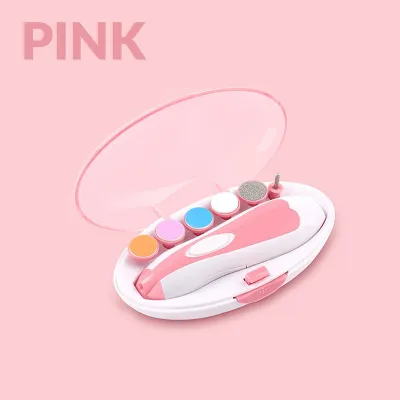
![[TPP] Baby Nail Trimmer Pedicure Care Kit 防抓伤多功能婴儿电动磨甲器儿童指甲剪 SG INSTOCK](https://img.lazcdn.com/g/p/d4f9082b86431839465f7b4dd8204268.png_400x400q80.png_.webp)
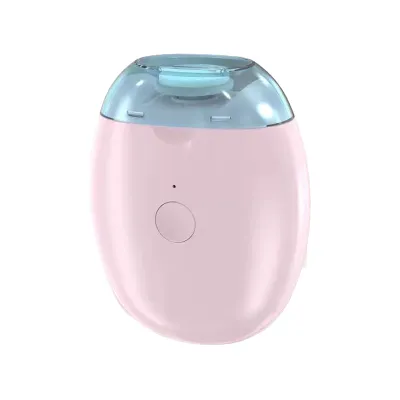
Prices are valid at publication and may change. Please refer to the product page for the latest price.
Using standard adult nail clippers on a newborn is highly discouraged by pediatricians and child safety experts. Adult clippers are designed for thick, rigid nails and feature wide, straight, or deeply curved blades that exert significant pressure. When used on a tiny, pliable infant finger, these large blades can easily pinch the surrounding skin or cut into the quick—the highly sensitive, vascularized tissue beneath the nail plate. A single slip can cause bleeding, pain, and immense distress for both the parent and the baby.
Furthermore, minor skin injuries on an infant’s hands carry a risk of localized infection. In Singapore’s warm and humid climate, babies frequently sweat, and their hands constantly come into contact with saliva, bedding, and toys. A small cut or nick can easily become irritated or exposed to environmental bacteria, potentially leading to painful swelling or paronychia (an infection of the skin around the fingernail). Utilizing purpose-built grooming tools designed specifically for infant safety and precision is the most effective way to prevent these complications.
Specialized baby nail trimmers are engineered to accommodate the micro-dimensions of newborn fingers. They feature scaled-down cutting edges, protective guards, or gentle abrasive surfaces that wear down the nail gradually rather than shearing it off in one forceful motion. By investing in a dedicated infant grooming tool, you ensure that the materials contacting your baby’s skin are safe, hygienic, and designed to minimize physical trauma to their delicate hands.
Comparing the Main Types of Baby Nail Trimmers
Electric Nail Files and Buffers
Electric baby nail files, often referred to as rotary nail trimmers, have become highly popular among modern parents due to their gentle operation and low risk of skin injury. These devices utilize battery-powered rotating pads cushioned with varying grits of sandpaper. Instead of cutting the nail, they gently buff the edge down to a smooth finish. Most electric models are designed with a safety stop feature that immediately halts the rotation if the pad is pressed too firmly against the baby’s skin, virtually eliminating the risk of cuts.

While electric files offer peace of mind, they do have a few trade-offs. The filing process can take longer than a quick clip with scissors, requiring the baby to remain relatively still for a extended period. Additionally, even the quietest electric motors produce a mild hum and vibration. While many infants are unfazed by this, some highly sensitive babies may find the sensation or sound startling, making it necessary to introduce the device gradually or use it exclusively while they are asleep.
Baby Nail Scissors and Clippers
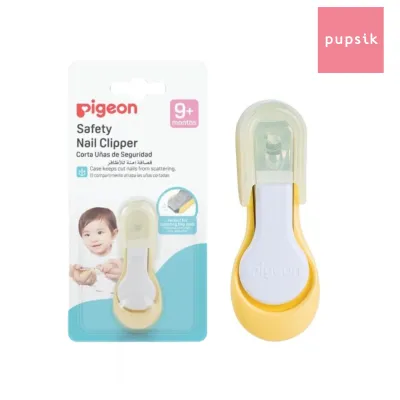
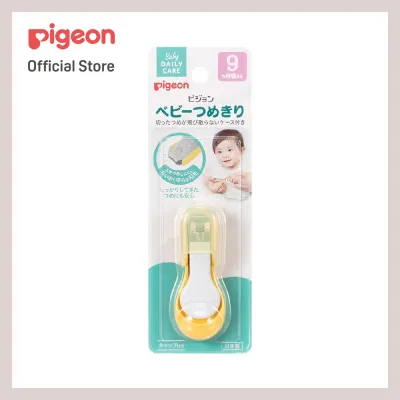
Traditional baby nail scissors and clippers offer a fast, precise, and cost-effective way to manage infant nails. Baby scissors feature thin, short blades with rounded safety tips to prevent accidental puncture wounds. They give the parent excellent visibility and control, allowing you to see exactly where the blade meets the nail before making a cut. Baby clippers are scaled-down versions of adult clippers, often featuring a curved cutting edge that matches the natural contour of a tiny fingernail.
The primary challenge of using scissors or clippers is that they require a very steady hand and a cooperative baby. Because these tools rely on a sharp cutting action, any sudden movement from the infant can result in an accidental nick. Parents who choose this option must feel confident in their grip and coordination. It is essential to select models specifically labeled for newborns, as these have the smallest blades and the most protective designs.
Manual Nail Files
Manual nail files, including fine-grit emery boards and specialized baby glass files, represent the simplest and safest grooming option for very young infants. Glass files are particularly highly regarded because they feature an extremely fine, etched abrasive surface that smoothly wears down the nail without tearing or leaving rough edges. They are exceptionally gentle on the soft, paper-thin nails of a newborn and carry zero risk of cutting the skin.
However, manual filing is a slow, labor-intensive process. It requires patience and time, which can be difficult to manage if your baby is active or fussy. While manual files are excellent for the first month of life when the nails are at their softest, they become less effective as the baby grows and their nails begin to thicken, particularly the toenails, which may eventually require a stronger cutting or buffing tool.
Key Safety and Design Features to Look For
When shopping for a baby nail trimmer in Singapore, it is important to look beyond aesthetic appeal and evaluate the physical attributes that contribute directly to safety and ease of use. The first feature to inspect is the blade or file design. If you are choosing scissors or clippers, ensure the tips are completely rounded and the blades are short. Some clippers feature a built-in plastic guard or a “spy-hole” that allows you to view the nail from the underside before clipping, helping to ensure no skin is trapped in the mechanism.
Visibility is another crucial factor. Because newborn nails are incredibly small, trimming them in low-light conditions can be incredibly challenging. Many electric nail files come equipped with a built-in LED light positioned at the tip of the device, illuminating the baby’s fingernail directly. This feature is invaluable for parents who prefer to trim nails in a dimly lit nursery while the baby is sleeping. For manual tools, some kits include a magnifying glass attachment that clips onto the tool to help you align the blade accurately.
Ergonomics play a vital role in how confidently you can handle the tool. Look for trimmers with non-slip, rubberized grips or chunky, easy-to-hold handles that fit comfortably in your hand. A lightweight body prevents hand fatigue and allows for micro-adjustments during use. For electric models, check the manufacturer’s specifications regarding motor noise and vibration. A motor that operates quietly is much less likely to disturb a sleeping infant or cause anxiety when used while they are awake.
Finally, prioritize material safety and hygiene. Ensure that all plastic components are free from harmful chemicals such as BPA, phthalates, and lead, as babies frequently put their hands and fingers in their mouths. Metal parts should be constructed from high-quality, rust-resistant stainless steel. This is particularly important in Singapore’s humid environment, where inferior metals can quickly corrode or harbor bacteria. If choosing an electric file, verify that the replacement pads are color-coded by age group, as the grit coarseness must match the developmental stage of your baby’s nails.
How to Safely Trim Your Newborn's Nails
Finding the Right Time and Setting
Timing is everything when it comes to grooming a newborn’s nails. Attempting to trim the nails of an active, hungry, or fussy baby is highly challenging and increases the risk of injury. The optimal time to trim is when your baby is in a deep sleep, during a feed when they are relaxed and distracted, or immediately after a bath when their nails are at their softest. Ensure you are working in a well-lit room, or utilize a tool with a built-in light to maintain clear visibility of the entire fingertip.
Positioning and Holding Techniques
To secure your baby’s hand safely, hold their finger firmly but gently between your thumb and index finger. Gently press the skin pad of the fingertip down and away from the nail edge. This action creates a small gap between the nail and the skin, providing a clear path for the trimmer and reducing the likelihood of pinching or cutting the skin. If your baby is awake, enlist the help of a partner to hold the baby’s arm still while you focus entirely on the trimming process.
Proper Trimming and Filing Methods
When using baby scissors or clippers, cut the fingernails along the natural curve of the finger to avoid leaving sharp corners that can scratch. For toenails, always cut straight across to prevent the edges from growing into the surrounding skin, which can cause painful ingrown toenails. If you are using an electric file, hold the device at a slight angle and move the rotating pad gently across the nail edge. Avoid holding the file in one spot for too long, as the friction can generate heat and cause discomfort.
Stop Conditions and First Aid
If you accidentally nick your baby’s skin, try to remain calm, as babies can quickly sense parental distress. Immediately apply gentle pressure to the cut using a clean, sterile cloth or gauze pad until the bleeding stops. Do not apply adhesive bandages to a newborn’s hands or fingers; babies frequently put their hands in their mouths, and a loose bandage poses a severe choking hazard. If the bleeding does not stop after several minutes of continuous pressure, or if you notice signs of infection—such as redness, warmth, swelling, or pus—in the following days, consult a qualified pediatrician promptly.
Where to Buy and Verify Baby Grooming Tools in Singapore
Sourcing authentic, high-quality baby grooming tools is essential for ensuring product safety and durability. Parents in Singapore should purchase these items from reputable retail channels. Established physical pharmacy chains, dedicated mother-and-baby specialty stores in local shopping malls, and official brand stores on authorized online marketplaces are the safest options. Buying from these channels ensures that the products have undergone standard quality control checks and are compliant with local consumer safety guidelines.
When purchasing a trimmer, take the time to verify the product’s authenticity and safety labeling. Inspect the packaging for tamper-evident seals, clear manufacturer contact details, and explicit age-appropriate recommendations. A genuine product will always include a comprehensive instruction manual detailing proper usage, battery safety (for electric models), and cleaning guidelines. If you are buying an electric file, check if the retailer offers genuine replacement pads, as using third-party pads with incorrect grit levels can damage your baby’s nails.
Be highly cautious of red flags when shopping online. Unusually low prices on open online marketplaces often indicate counterfeit goods or low-quality generics that lack essential safety features. These cheap alternatives may use inferior plastics that contain harmful chemicals, or feature poorly aligned blades that can easily tear a baby’s nails. If a product lacks clear brand labeling, has no verifiable customer support channels, or does not include detailed safety instructions, it is best to avoid it and choose a trusted, recognizable brand instead.
Frequently Asked Questions (FAQ)
How often should I trim my newborn's nails?
Newborn fingernails grow incredibly fast and typically require trimming once or twice a week to prevent them from becoming sharp and causing scratches. In contrast, infant toenails grow much slower and generally only need to be trimmed once or twice a month. Instead of sticking to a rigid schedule, observe your baby’s hands daily; if you feel sharp edges or notice your baby scratching their face, it is time for a gentle trim.
Is it safe to use an electric nail trimmer while my baby is sleeping?
Yes, using an electric nail trimmer while your baby is asleep is a highly effective strategy used by many parents. To do this safely, choose an electric model with a very quiet motor and a built-in LED light so you do not have to turn on bright overhead lights. Before attempting this during sleep, test the device near your baby while they are awake to ensure they are not overly startled by the mild vibration or sound.
Can I use a regular adult glass nail file on my baby?
It is not recommended to use a regular adult glass nail file on a newborn. Adult glass files are often designed with a coarser grit to shape thicker, harder adult nails, which can easily abrade a baby’s delicate skin and wear down their thin nails too quickly. Additionally, sharing grooming tools between adults and infants increases the risk of cross-contamination and transferring skin pathogens to your baby’s highly sensitive hands.
Community discussion
Share your experience or ask a question. Comments are reviewed before publication.