
To determine if the Jevon baby breast pump fits your breastfeeding journey, you must evaluate your daily routine, pumping frequency, and personal comfort requirements. There is no single breast pump that perfectly suits every mother; instead, the right choice depends on whether you are pumping exclusively, returning to a busy workplace, or simply seeking occasional relief. By comparing your specific lifestyle demands with the technical specifications, power options, and flange sizes offered by the manufacturer, you can make an informed decision that supports your lactation goals while protecting your physical comfort.
Identify Your Primary Breastfeeding Scenario
Every breastfeeding journey is unique, and identifying your primary pumping scenario is the first step in selecting appropriate equipment. Mothers who pump exclusively require a highly durable system capable of handling frequent daily sessions. This scenario demands a pump that can withstand heavy use without losing suction efficiency over time, as any drop in performance can directly impact milk supply.
For mothers transitioning back to the office or managing a hybrid work schedule, portability and convenience become the primary drivers. In these environments, you need a pump that is easy to transport, quick to assemble, and quiet enough to use in shared spaces or during virtual meetings. The ability to pump efficiently within a limited break window is crucial, making double-pumping capabilities and hands-free designs highly desirable.
Products mentioned in this guide
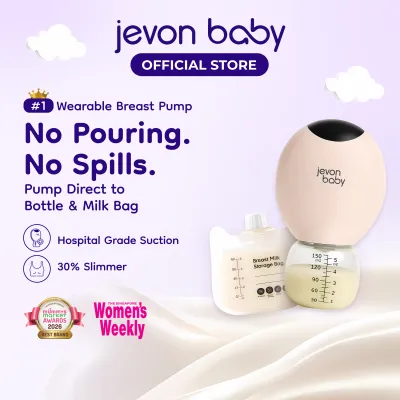
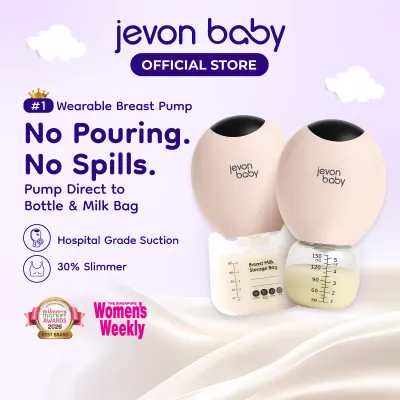
Prices are valid at publication and may change. Please refer to the product page for the latest price.
Conversely, if your goal is occasional relief—such as managing engorgement, building a modest emergency freezer stash, or allowing a partner to assist with nighttime feedings—your requirements are much simpler. A lightweight, highly portable, or even manual setup might suffice, as the device will not be subjected to the constant wear and tear of multiple daily sessions.
Your physical environment also dictates your needs. If you travel frequently, commute via public transit, or work in locations without dedicated lactation rooms, you must prioritize compact dimensions and long-lasting battery power. Understanding these daily realities helps you avoid purchasing a pump that is either too cumbersome for your commute or too delicate for your high-frequency pumping schedule.
Match Your Scenario to Jevon Pump Specifications
Once you have defined your scenario, you must verify the technical specifications of the Jevon baby breast pump to ensure compatibility. Start by checking the manufacturer’s documentation regarding power sources. A rechargeable lithium-ion battery offers the freedom to pump without being tethered to a wall outlet, which is essential for commuting mothers or those working in offices with limited power access. If the model is strictly plug-in, you will need to ensure your designated pumping spaces always have an available electrical socket.

Next, examine the available suction levels and operational modes listed on the product packaging or user manual. Most modern electric pumps feature a dual-phase system: a rapid, shallow stimulation or massage mode to trigger the let-down reflex, followed by a slower, deeper expression mode to draw out milk efficiently. Verify that the Jevon pump offers adjustable suction levels within these modes, allowing you to customize the strength to your comfort level. High suction does not equate to more milk; rather, comfortable suction is what maximizes output.
Physical dimensions and weight are critical factors for any mother on the move. Review the product specifications to determine the exact weight of the motor unit and the bulkiness of the collection cups or bottles. A heavy motor unit can make commuting exhausting, while a bulky design may not fit discreetly inside a standard diaper bag or work tote. Additionally, check what accessories are included in the box, such as carrying bags, cooler packs, or bottle stands, which add practical value to your daily routine.
Evaluate Comfort, Fit, and Daily Usability
Physical comfort is the cornerstone of a successful pumping experience. The breast shield, or flange, must fit your breast and nipple anatomy precisely to prevent friction, pain, and tissue damage. Before purchasing or using the Jevon breast pump, measure your nipple diameter according to standard sizing guides. Check whether the Jevon kit includes the correct flange size for your body, or if the manufacturer offers compatible, adjustable silicone inserts to customize the fit. Using an incorrectly sized flange can restrict milk ducts and lead to a rapid decline in milk production.
Daily maintenance is another factor that directly affects your satisfaction and safety. Inspect the material safety labels of all parts that come into contact with breast milk, ensuring they are certified free from Bisphenol A (BPA) and other harmful plastics. Review the cleaning instructions in the user manual to identify which components are dishwasher-safe and which require meticulous hand-washing. Closed-system pumps, which feature a physical barrier to prevent milk from entering the tubing and motor, are highly recommended because they prevent mold growth and are much easier to keep sanitary.
Noise level is a frequently overlooked specification that can cause significant anxiety in public or professional settings. If you plan to pump in a shared office, a quiet library, or even next to a sleeping infant at night, check the manufacturer’s decibel ratings if available. A quiet motor allows you to maintain privacy and reduce stress, which is psychologically beneficial for maintaining a healthy let-down reflex during stressful workdays.
When to Reassess Your Pumping Setup
Even with a high-quality pump, you may encounter challenges that require you to reassess your setup. Physical discomfort, persistent pain during or after pumping, bruised nipple tissue, or a sudden, unexplained drop in milk output are clear warning signs that something is wrong. These symptoms often indicate an improper flange fit, excessive suction settings, or mechanical wear on the pump’s valves and membranes, which must be replaced regularly to maintain proper vacuum pressure.
It is also important to recognize the limitations of standard personal-use electric pumps. If you are caring for a premature infant, managing a severe medical condition, or working to establish a milk supply under challenging clinical circumstances, a standard consumer pump may not provide the specific stimulation required. In these situations, a hospital-grade rental pump, which utilizes highly specialized, clinically tested suction patterns, is often necessary to support your baby’s nutritional needs.
Never hesitate to seek professional assistance when navigating these challenges. If you experience persistent pain, signs of mastitis—such as localized redness, warmth, or fever—or if you are concerned about your infant’s weight gain, consult an International Board Certified Lactation Consultant (IBCLC) or your pediatrician. These professionals can evaluate your pumping technique, verify your equipment’s fit, and help you develop a safe, sustainable feeding plan tailored to your family’s needs.
Frequently Asked Questions (FAQ)
Can I use the Jevon breast pump for exclusive pumping?
Exclusive pumping places immense physical demands on a breast pump, typically requiring the motor to run for 15 to 30 minutes, 8 to 12 times every single day. Before committing to the Jevon breast pump for exclusive use, you must verify the manufacturer’s guidelines regarding motor lifespan and daily usage limits. Check the warranty terms to ensure exclusive pumping is covered, and confirm that replacement parts—such as valves, membranes, and tubing—are readily available for purchase on reliable online marketplaces, as these components wear out quickly under heavy use.
How do I clean and sterilize the Jevon pump parts?
To protect your baby from harmful bacteria, you must clean and sterilize all pump parts that come into contact with breast milk after every use. Refer directly to the Jevon user manual to confirm which sterilization methods are safe for your specific model’s materials, whether that involves boiling water, electric steam sterilizers, or UV sterilization cabinets. After sterilizing, place the disassembled parts on a clean, dedicated paper towel or drying rack in a well-ventilated area, allowing them to air-dry completely before reassembly, as moisture trapped inside silicone parts can encourage bacterial growth.

Community discussion
Share your experience or ask a question. Comments are reviewed before publication.