
When preparing for the arrival of a newborn in Singapore, ensuring the safety of every baby care item is a top priority for parents. If you are considering the Angelcare baby bath support, you might wonder whether it carries a Health Sciences Authority (HSA) certification and if it is safe for your infant. To answer directly: the Angelcare baby bath support is not HSA certified, because the HSA does not regulate general baby nursery accessories or bath supports. Instead, these items fall under the purview of consumer product safety frameworks in Singapore.
While the lack of an HSA certificate might initially cause concern, it is simply a matter of regulatory classification rather than a reflection of the product’s safety. The bath support can indeed be used safely for newborns, provided caregivers strictly adhere to the manufacturer’s guidelines, understand the physical limits of the product, and maintain uninterrupted supervision. Understanding how consumer products are regulated locally helps parents make informed, confident decisions for their baby’s bath time routine.
Understanding HSA Scope and Relevant Safety Standards for Baby Baths
The Health Sciences Authority (HSA) in Singapore is responsible for regulating health products, medical devices, pharmaceuticals, and cosmetics. A baby bath support is not classified as a medical device because it does not diagnose, treat, or alleviate any medical condition. Consequently, it does not fall within the regulatory scope of the HSA, and looking for an HSA registration number on such a product is unnecessary.
Products mentioned in this guide
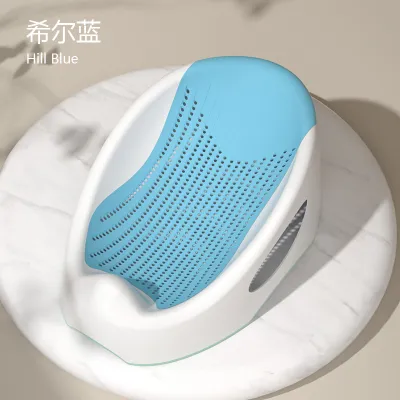
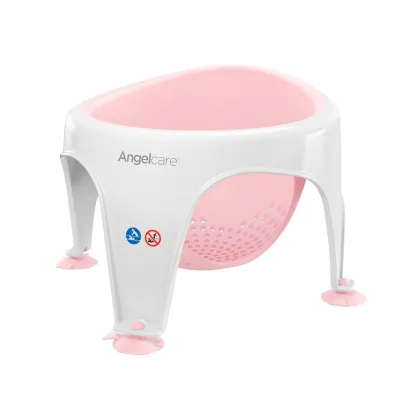
Prices are valid at publication and may change. Please refer to the product page for the latest price.
Instead, general baby care products and bath accessories are monitored by the Consumer Product Safety Office (CPSO), which is safeguarded under Enterprise Singapore. The CPSO ensures that general consumer goods sold in the local market comply with safety requirements to protect public health. While they do not issue individual certifications for every brand, they enforce safety regulations and monitor the market for non-compliant or hazardous products.
Because Singapore aligns its consumer safety guidelines with international benchmarks, parents should look for compliance with recognized global standards. For infant bath supports, the key standards to verify include the European Standard EN 17072, which specifies safety requirements and test methods for children’s bath tubs and bath aids. Another highly regarded standard is the American Society for Testing and Materials standard ASTM F2670, which outlines safety specifications for infant bath seats.
These international standards ensure that the product has undergone rigorous testing for structural stability, slip resistance, and the absence of harmful chemicals. When evaluating a bath support, verifying these compliance markers on the packaging or product label is the correct alternative to searching for an HSA mark. This verification gives parents peace of mind that the product design minimizes inherent risks when used correctly.
How to Verify Safety Compliance Before Using the Angelcare Bath Support
Before introducing any new bath support to your newborn’s routine, a thorough physical inspection of the packaging and the product itself is essential. Genuine products feature molded-in safety warnings, clear weight and age limits, and manufacturer contact details directly on the plastic or mesh. These warnings are designed to remain legible throughout the product’s lifespan, serving as a constant reminder of safe usage practices.

To confirm the authenticity and safety credentials of your bath support, consult the official manufacturer website or contact authorized local distributors in Singapore. Authorized distributors can provide official product specifications, user manuals, and compliance documentation upon request. Checking these official channels also allows you to verify if the specific model or batch has been subject to any voluntary safety recalls or design updates.
It is highly advisable to avoid purchasing baby safety equipment from unverified third-party sellers on online marketplaces. While parallel imports or unbranded alternatives may appear cost-effective, they often bypass local safety checks and may lack proper English instruction manuals. In worst-case scenarios, counterfeit products made from substandard materials can fail during use, posing severe hazards to your baby. Purchasing from reputable, authorized physical or online retailers ensures you receive a genuine, compliant product.
Essential Safety Rules for Bathing Newborns with a Bath Support
The most critical safety rule to remember is that a baby bath support is a convenience aid, not a safety device. It does not prevent drowning, and it cannot replace the active supervision of a caregiver. You must maintain constant, touch-distance visual and physical contact with your newborn at all times during the bath. Never leave your baby unattended in the bath support, even for a single second, to answer a phone, fetch a towel, or attend to another child.
Proper positioning of your newborn on the support is vital for maintaining an open airway. Gently place your baby onto the ergonomic contour, ensuring their head and neck are fully supported and their chin does not press down toward their chest. The baby’s airway must remain completely clear and well above the water line throughout the entire bath session. Regularly check that the baby has not slid down or tilted to one side, especially if they are active or wiggling.
Water temperature and depth require careful preparation, particularly in Singapore’s warm climate where daily baths are common. The bath water should be comfortably warm, ideally between 37°C and 38°C, which you can verify using a reliable bath thermometer or by testing the water with your elbow. Keep the water depth low, filling the tub only to the level recommended by the manufacturer, and never submerge the bath support beyond its maximum fill line.
Finally, ensure the bathroom environment is safe and free from distractions before you begin. Prepare all necessary items, such as baby soap, a washcloth, and a dry towel, and place them within your arm’s reach before placing your baby in the water. By organizing your space beforehand, you eliminate any temptation to step away from your baby, ensuring their safety remains entirely uncompromised.
When to Stop Using the Bath Support: Weight and Developmental Limits
Every baby bath support has strict physical limitations designed to prevent structural failure, sliding, or tipping. Parents must consult the specific product manual for the exact maximum weight and height limits, which typically cap usage around 9 kilograms or when the baby reaches a certain length. Regularly monitor your baby’s growth and inspect the bath support for any signs of wear, such as plastic fatigue, cracking, or stretching of the mesh material.
Physical milestones are often more critical indicators than weight limits when deciding to retire the bath support. You must stop using the support immediately once your baby attempts to sit up unassisted, roll over, or push themselves up on their hands and knees. As babies gain mobility, their center of gravity shifts, making the bath support highly unstable and increasing the risk of the support tipping over or the baby climbing out.
When your baby outgrows the support, transition them to a standard baby bathtub that allows them to sit safely, or adopt a supported shower routine. Whichever transition method you choose, continue to prioritize slip-resistant surfaces and maintain the same level of vigilant, hands-on supervision. Remember that as babies grow more active, the risk of slips and falls in the bathroom increases, requiring continued parental alertness.
Frequently Asked Questions (FAQ)
Is it safe to use a bath support if my baby has reflux?
A baby bath support is a general consumer product designed for bathing, not a medical device intended to manage or treat infant reflux. If your baby suffers from gastroesophageal reflux, maintaining a calm and comfortable environment during bath time is important, but the support itself does not offer therapeutic positioning. Keep bath sessions short, gentle, and scheduled well after a feeding to minimize the risk of spitting up. If you have concerns about your baby’s comfort or positioning during baths due to severe reflux, consult your pediatrician for personalized medical advice.
Can I use the bath support in a standard adult bathtub?
Many bath supports can be placed inside a standard adult bathtub, but you must verify the manufacturer’s instructions regarding surface compatibility first. The bottom of the adult tub must be flat, smooth, and clean to allow the suction cups or non-slip feet of the bath support to adhere securely. Avoid placing the support on textured, slip-resistant tub floors or uneven surfaces, as this can prevent the suction cups from gripping properly, causing the support to slide or tip during use. Always test the stability of the support by pressing down on it firmly before placing your baby inside.

Community discussion
Share your experience or ask a question. Comments are reviewed before publication.