
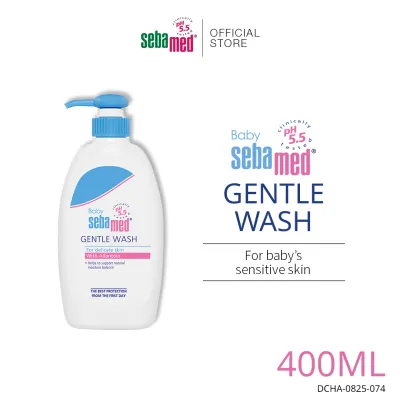
When welcoming a newborn, choosing the right bath products is one of the first decisions parents face. In Singapore, many families consider Sebamed Gentle Wash due to its widespread availability in local pharmacies and supermarkets. However, understanding whether this product is officially approved by the Health Sciences Authority (HSA) and determining if it is truly safe for a newborn’s highly delicate skin requires looking beyond marketing claims.
In Singapore, baby bath products are regulated as cosmetic products rather than therapeutic medicines. This means they do not undergo a rigorous pre-market approval process by the HSA; instead, importers must notify the authority before placing them on the market. To ensure the safety of your infant, you must know how to verify this notification status, evaluate the product’s ingredients against newborn skin needs, and practice safe application methods.
Understanding HSA Approval for Baby Bath Products in Singapore
To navigate the safety of baby products in Singapore, it is essential to understand how the Health Sciences Authority (HSA) regulates these items. The HSA categorizes baby washes, shampoos, and lotions as cosmetic products. Unlike prescription drugs or medical devices, cosmetic products do not receive an official “HSA approval” stamp. Instead, the regulatory framework relies on a system of product notification. The local importer or manufacturer is legally required to submit a cosmetic product notification to the HSA before the product can be sold to consumers.
Products mentioned in this guide
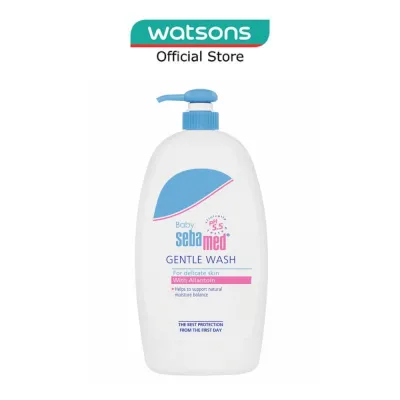
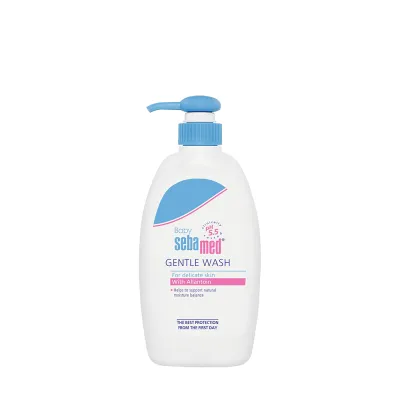
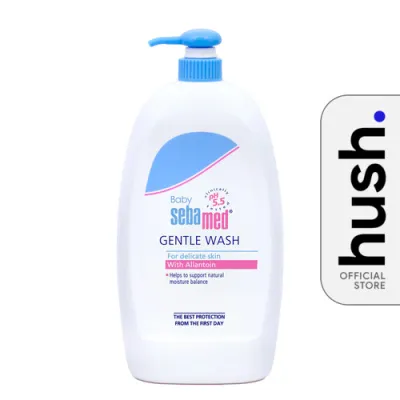
![Sebamed Baby Gentle Wash 1000ml / Hair Shampoo 500ml / Diaper Rash Cream 100ml [BeautyHealth.sg]](https://img.lazcdn.com/g/p/a48441de9bb1be85a4e9cddbd540f9cc.jpg_400x400q80.jpg_.webp)
Prices are valid at publication and may change. Please refer to the product page for the latest price.
This notification process serves as a declaration that the product complies with local safety standards and does not contain banned substances. It does not, however, mean the HSA has conducted independent clinical trials to verify the product’s safety or efficacy. For medicated or therapeutic skin treatments—such as those formulated to treat severe dermatological conditions—the regulatory pathway is different, requiring a comprehensive pre-market evaluation to be registered as a therapeutic product.
Parents can easily verify whether a specific baby wash has been notified to the HSA. The authority maintains an online public database, often accessible through the official HSA InfoSearch portal, where consumers can search for notified cosmetic products. By entering the brand name or the specific product title, you can confirm if the item is legally registered for sale in Singapore.
Additionally, checking the physical product label is a reliable way to verify compliance. Legitimate products distributed through authorized channels in Singapore must display clear labeling in English, including the name and address of the local importer, the country of manufacture, a full ingredient list, and a batch number. Be cautious when purchasing baby products from unauthorized online marketplaces or parallel importers. These items may bypass the official notification system, meaning they might not meet the same storage, transport, and formulation standards as those brought in by authorized local distributors.
Evaluating Sebamed Gentle Wash for Newborn Skin Safety
A newborn’s skin is structurally different from adult skin, making it highly vulnerable to external elements. The stratum corneum, which is the outermost layer of the skin, is significantly thinner in infants, resulting in a weaker barrier function. This means moisture is lost more rapidly, and topical substances are absorbed more easily. Consequently, any product applied to a newborn’s skin must be evaluated with extreme care.

One of the primary claims associated with Sebamed Gentle Wash is its pH value of 5.5. At birth, a newborn’s skin surface has a near-neutral pH. Over the first few weeks of life, this surface gradually becomes more acidic, settling around a pH of 5.5. This acidic layer, known as the acid mantle, plays a critical role in protecting the skin from harmful pathogens and maintaining moisture levels. Using a bath product formulated at pH 5.5 is intended to support this natural acidification process and preserve the integrity of the developing skin barrier. Parents can verify this claim by checking the product packaging, which prominently features the pH 5.5 designation.
Beyond the pH level, it is crucial to scrutinize the ingredient list on the back of the bottle. Newborn skin is highly sensitive to synthetic additives. When reviewing the ingredients, look for potential irritants such as added fragrances, essential oils, and strong preservatives. While some formulations include mild scents, fragrance-free options are generally safer for newborns, especially during the first few months when the skin barrier is most fragile. If you notice any ingredients that have previously caused sensitivity in your family, it is best to avoid the product.
Understanding common marketing terms can also help you make an informed decision. Labels such as “soap-free” indicate that the product utilizes synthetic detergents, or syndets, which are formulated to cleanse without stripping the skin’s natural lipids as traditional alkaline soaps do. The term “tear-free” suggests that the surfactants used are mild enough to minimize eye irritation, though this does not guarantee the product is entirely hypoallergenic for the skin. Furthermore, designations like “pediatrician tested” mean the formulation has been reviewed under professional supervision, but they do not eliminate the possibility of an individual allergic reaction or sensitivity.
Safe Bathing Practices and Patch Testing for Infants
Even when a product is notified to the HSA and formulated for sensitive skin, introducing it to a newborn requires a cautious approach. Before using any new wash for a full bath, performing a localized patch test is highly recommended. Apply a very small, diluted amount of the wash to a tiny patch of skin on your baby’s inner arm or leg. Leave it on for a short period during bath time, rinse it off thoroughly, and then monitor the area for the next 24 to 48 hours. If you observe any signs of redness, swelling, or dryness, discontinue use immediately.
When you proceed with a full bath, proper preparation is key to protecting your baby’s skin. Avoid applying concentrated wash directly to the infant’s body. Instead, dilute a small drop of the cleanser in the bathwater to create a mild, soapy solution. Ensure the water temperature is comfortably warm, ideally matching the baby’s body temperature at around 37 degrees Celsius. You can verify the temperature using a bath thermometer or by testing the water with the sensitive skin on your elbow.
Thorough rinsing is essential to prevent skin irritation. Any cleanser residue left on the skin can dry out the epidermis and lead to chafing or itching. After washing, use clean, warm water to rinse your baby completely. When drying, avoid rubbing the skin with a towel, as the friction can damage the delicate outer layer. Instead, gently pat the skin dry with a soft, clean cotton towel, paying close attention to skin folds where moisture can accumulate.
In Singapore’s warm and humid climate, parents may feel the urge to bathe their babies multiple times a day. However, frequent bathing can strip the skin of its natural oils, leading to dryness and irritation. For newborns, a full bath with a cleansing product is generally only necessary two to three times a week. On other days, a simple clean using a soft washcloth and plain warm water to wipe the face, neck, hands, and diaper area is sufficient to keep your baby clean without compromising their skin barrier.
When to Stop Use and Seek Pediatric Advice
As a caregiver, monitoring your infant’s skin reaction during and after bath time is vital. Stop using any bath product immediately if you notice visual indicators of an adverse reaction. These red flags include persistent redness, dry or flaky patches, hives, or a fine red rash. Behavioral changes can also signal discomfort; if your baby becomes unusually fussy, cries during or shortly after a bath, or attempts to scratch their skin, the product may be causing itching or burning.
It is important to differentiate between a product-induced reaction and common neonatal skin conditions. Many newborns experience harmless conditions such as baby acne, milia, or cradle cap. Baby acne typically appears as small red or white bumps on the cheeks and nose, while milia present as tiny, pearly white cysts. Cradle cap causes greasy, yellowish scales on the scalp. These conditions are generally related to maternal hormones or overactive oil glands rather than bath products. However, if these conditions become inflamed, or if you notice widespread skin irritation after using a wash, it is time to reassess.
If your baby’s skin shows signs of a severe reaction, such as oozing, cracking, bleeding, or if a rash does not improve after discontinuing the product, seek professional medical advice. Consult a pediatrician or a pediatric dermatologist to obtain an accurate diagnosis and a safe treatment plan. When visiting the doctor, bring the product bottle with you so they can review the ingredient list for potential allergens.
Frequently Asked Questions (FAQ)
Can I use Sebamed Gentle Wash on a newborn with eczema?
Infant eczema compromises the skin’s natural barrier, making it exceptionally sensitive to external substances and prone to severe dryness. If your newborn has active eczema flare-ups, you should consult a pediatrician or dermatologist before introducing any commercial bath wash. Standard baby washes, even those formulated to be gentle, may contain ingredients that can irritate compromised skin. When selecting a product for eczema-prone skin, look for formulations that are explicitly fragrance-free and carry endorsements or seals of acceptance from recognized dermatological or eczema associations. Always prioritize professional medical guidance over general product labels.
Does the product formulation change between different bottle sizes or batches?
Yes, cosmetic manufacturers may periodically update their product formulations, alter ingredient concentrations, or change preservative systems to comply with updated safety regulations or due to ingredient sourcing shifts. These changes can occur across different bottle sizes, manufacturing batches, or regional packaging. To protect your newborn, always compare the ingredient list on the back of a newly purchased bottle with your previous one. If you notice any changes in the ingredients, or if you are starting a bottle from a new batch, it is highly recommended to perform another localized patch test before using the product for a full bath.

Community discussion
Share your experience or ask a question. Comments are reviewed before publication.