
Seaweed can be a nutritious addition to a young child’s diet, but its safety for babies and toddlers depends heavily on portion control, product selection, and careful monitoring of sodium and iodine levels. While this marine vegetable offers beneficial nutrients, excessive intake of these specific minerals can pose health risks for young, developing bodies. Navigating the baby food aisle requires a clear understanding of what to look for on nutrition labels, how to recognize potential risks, and how to establish safe serving practices for kid seaweed products.
Introducing new flavors and textures is an exciting milestone in your child’s developmental journey. Seaweed offers a unique, savory umami taste that can expand a toddler’s palate and encourage an appreciation for diverse foods. However, because a child’s internal organs are still maturing, their tolerance for certain concentrated minerals is significantly lower than that of an adult. By learning how to evaluate packaged seaweed snacks and prepare them safely, you can confidently decide if and how to include this ingredient in your family’s meal rotation.
Weighing the Benefits and Risks of Seaweed for Young Children
Seaweed is often celebrated as a nutrient-dense food, containing dietary fiber, essential vitamins, and minerals that support overall growth. In its natural form, it provides small amounts of vitamins A, C, and E, alongside various B vitamins and trace minerals. These nutrients play a supportive role in a child’s daily dietary needs, helping to build a foundation for healthy development. However, the concentrated nature of dried seaweed means that even a very small serving can deliver a high dose of these elements, making moderation the most critical factor for parents to consider.
Products mentioned in this guide
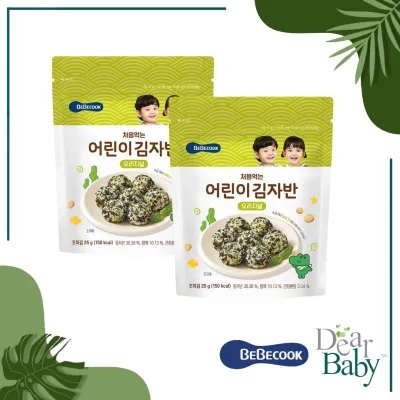
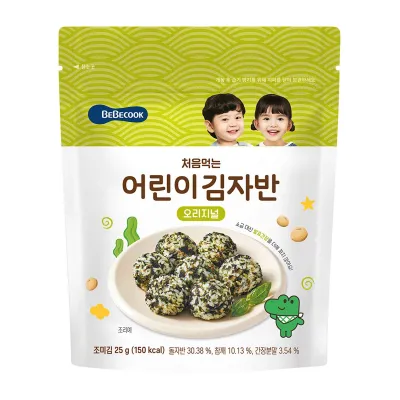
![[Single] BeBecook - My First Sun-Dried Seaweed Mix (Original | Seafood & Vegetables) 25g](https://img.lazcdn.com/g/p/8ef7bcd181b15f6d68d1e53a9dcc2250.jpg_400x400q80.jpg_.webp)
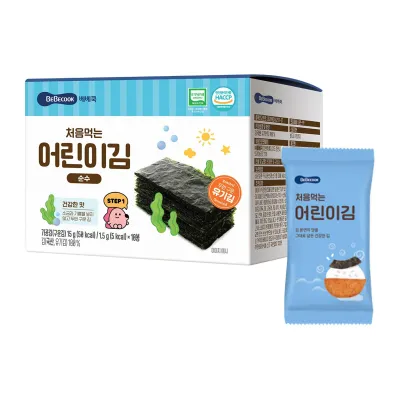
Prices are valid at publication and may change. Please refer to the product page for the latest price.
Babies and toddlers have much lower tolerance thresholds for certain minerals compared to adults. Their kidneys, which filter waste and excess nutrients from the blood, are still developing and can easily become overworked by high concentrations of sodium. Similarly, their thyroid glands are highly sensitive to fluctuations in iodine levels. What constitutes a healthy, light snack for an adult can quickly exceed the safe daily limits for an infant or toddler, requiring parents to be highly vigilant about portion sizes and frequency.
It is also essential to distinguish between plain, dried seaweed and the heavily processed, flavored snack varieties commonly found on supermarket shelves. Plain nori sheets, often used for wrapping sushi, generally contain minimal additives, though their natural mineral content remains high. In contrast, commercial seaweed snacks marketed to children or general consumers are frequently roasted in oils and seasoned with generous amounts of salt, sugar, or flavor enhancers. These added ingredients can quickly turn a naturally simple food into a highly processed snack that is unsuitable for a young child’s daily diet.
Evaluating Iodine Content and Thyroid Health Risks
Iodine is a crucial trace mineral that the body needs to produce thyroid hormones, which regulate metabolism, growth, and brain development. During early childhood, ensuring adequate iodine intake is vital for supporting rapid cognitive and physical growth. However, the margin between a safe amount of iodine and an excessive amount is remarkably narrow for young children. Both a deficiency and an overabundance of iodine can disrupt normal thyroid function, potentially leading to health complications that require medical intervention.

When evaluating seaweed products, locating and interpreting iodine information on the packaging can be a significant challenge. Many manufacturers do not explicitly list the iodine content on their nutrition facts panels, as it is not always a mandatory labeling requirement in every region. Because different types of seaweed—such as kelp, kombu, wakame, and nori—contain vastly different levels of iodine, the lack of explicit labeling makes it difficult to gauge exact intake. As a general rule, brown seaweeds like kelp and kombu contain exceptionally high levels of iodine, while red seaweeds like nori typically contain lower, though still significant, amounts.
Parents should closely monitor their children for any unusual physical or behavioral changes after introducing seaweed to their diet. If you notice signs such as swelling in the neck area (which may indicate a goiter), unexplained lethargy, persistent fatigue, sudden weight fluctuations, or digestive changes, it is important to stop serving seaweed immediately. These symptoms warrant a prompt consultation with a pediatrician to evaluate the child’s thyroid health and ensure their nutritional intake is balanced.
Furthermore, there are specific conditions under which seaweed should be avoided entirely. If your child has a pre-existing thyroid condition, a family history of thyroid dysfunction, or any metabolic disorders, you should consult a qualified healthcare professional before introducing any seaweed products. A pediatric specialist can provide personalized guidance based on your child’s medical history, helping you avoid unnecessary risks while ensuring they receive the necessary nutrients from alternative, safer food sources.
Identifying and Limiting Sodium in Packaged Seaweed Snacks
Commercial seaweed snacks are often roasted and seasoned to create a crispy, savory treat, but this process frequently introduces high levels of sodium. Salt is commonly used not only for flavor enhancement but also to extend the shelf life of the product. For a toddler, whose daily recommended sodium intake is extremely low, eating even a single small packet of seasoned seaweed can contribute a disproportionate amount of their daily salt limit. This makes it crucial for parents to actively manage and limit sodium exposure from these packaged products.
To protect your child’s developing kidneys, make it a habit to compare sodium values on nutrition facts panels before making a purchase. Look at the sodium content per serving, and pay close attention to the serving size listed on the package, as a single container often contains multiple servings. Compare these numbers against general pediatric guidelines, keeping in mind that infants under twelve months require very little sodium, and toddlers should have their salt intake strictly minimized. Choosing products with the lowest possible sodium content per serving is a simple yet effective way to safeguard your child’s health.
There are several practical strategies parents can use to reduce sodium exposure when offering seaweed. Opting for plain, unsalted nori sheets instead of pre-seasoned snacks is an excellent starting point. If you do purchase seasoned seaweed snacks, you can gently wipe or rinse the surface of the sheet with a clean, damp paper towel to remove excess salt crystals and oils before serving. Additionally, cutting the seaweed into smaller portions and serving only a fraction of a standard snack pack helps keep sodium intake well within safe limits.
Balancing seaweed snacks with other low-sodium foods throughout the day is another effective approach to dietary management. If your toddler enjoys a small piece of seaweed as an afternoon snack, ensure that their breakfast, lunch, and dinner consist of fresh, whole foods with no added salt. Pairing seaweed with naturally hydrating, low-sodium foods—such as sliced cucumbers, steamed carrots, or plain cooked grains—helps dilute the overall sodium concentration in their digestive system and promotes a more balanced nutritional profile for the day.
Safe Serving Practices and Choking Hazard Prevention
Beyond nutritional concerns, the physical texture of seaweed presents a unique safety challenge for babies and toddlers. Dry seaweed sheets are highly hygroscopic, meaning they rapidly absorb moisture from saliva. When a child puts a dry piece of seaweed into their mouth, it can quickly become sticky and adhere to the roof of the mouth, the tongue, or the back of the throat. This adhesive quality, combined with the paper-thin texture, makes dry seaweed a notable choking hazard, especially for infants who are still learning to chew and swallow solid foods.
To prevent choking, parents must adapt the preparation of seaweed to match their child’s developmental stage. For babies who are just starting solids or transitioning to finger foods, dry seaweed sheets should never be served whole or in large pieces. Instead, finely shred or crumble a very small amount of seaweed and mix it thoroughly into warm, moist foods such as rice porridge, mashed sweet potatoes, or vegetable purees. This allows the seaweed to soften completely and blend into the food, eliminating the risk of it sticking to the child’s airway.
Establishing appropriate portion sizes and frequency limits is essential to prevent a cumulative overload of sodium and iodine. Seaweed should not be a daily snack; instead, treat it as an occasional ingredient or seasoning. Offering a tiny pinch of shredded seaweed or a small, bite-sized strip once or twice a week is generally sufficient to provide the sensory benefits of the food without exposing your child to excessive mineral levels. Always prioritize variety in your child’s diet, rotating seaweed with other nutrient-rich vegetables.
Active adult supervision is mandatory whenever a baby or toddler is consuming seaweed. Sit with your child during meals, ensure they are sitting upright, and watch them closely as they chew and swallow. If you observe any signs of gagging, coughing, or difficulty swallowing, gently intervene and stop the feeding. If your child experiences persistent swallowing difficulties, shows signs of an allergic reaction, or if you feel unsure about their readiness for this texture, pause the introduction of seaweed and seek professional advice from a pediatric dietitian or healthcare provider.
Frequently Asked Questions (FAQ)
At what age can babies safely start eating seaweed?
Babies can generally be introduced to seaweed around 10 to 12 months of age, provided they have successfully mastered basic solid foods and can handle more complex textures. However, because of the high sodium and iodine content, as well as the unique choking risks associated with dry sheets, it is highly recommended to consult your pediatrician before offering seaweed to an infant. Introducing seaweed too early, especially before 8 months, carries a higher risk of mineral overload for their developing kidneys and thyroid, and their swallowing coordination may not yet be mature enough to safely manage the sticky texture of wet seaweed.
How can I tell if a seaweed snack has too much sodium or iodine?
To determine if a seaweed snack is suitable, carefully examine the nutrition facts panel for the sodium content per serving, aiming for products with little to no added salt. Since iodine is rarely listed on standard nutrition labels, you should check the ingredient list; products containing brown seaweed, such as kelp or kombu, naturally have much higher iodine levels and should generally be avoided for young children. When possible, look for seaweed products that are specifically formulated, tested, and labeled for babies or toddlers, as these brands are more likely to adhere to stricter limits on sodium and heavy metals.
What should I do if my toddler eats a whole pack of seaweed snacks?
If your toddler accidentally consumes an entire packet of commercial seaweed snacks, the immediate step is to remain calm and offer them plenty of water to help their kidneys flush out the excess sodium. Monitor your child closely over the next few hours for any signs of acute distress, such as extreme thirst, unusual lethargy, vomiting, or severe abdominal discomfort. Do not attempt to induce vomiting or administer any unprescribed home remedies or treatments. If you notice any worrying symptoms or if the child shows signs of an allergic reaction, contact your pediatrician or seek medical attention immediately.

Community discussion
Share your experience or ask a question. Comments are reviewed before publication.