
Choosing the right laundry detergent for a newborn is a vital step in protecting their delicate, thin skin barrier. If you are considering Saraya baby laundry detergent, determining its safety for your newborn starts with a close look at the specific product label. Because formulations can vary across different product lines—such as Saraya’s natural soap-based ranges—and regional markets, there is no single ingredient list that applies to every bottle. To ensure it is appropriate for your baby, you must verify the active cleaning agents, preservatives, and botanical additives on your specific packaging.
Newborn skin is highly permeable and lacks the robust protective barrier of adult skin, making it susceptible to contact dermatitis from residual chemicals in fabrics. While many baby-specific detergents utilize milder, plant-derived ingredients, parents should still cross-reference marketing claims with the actual ingredient list. Taking a systematic approach to reading the label and testing the washed fabric will help you make a confident, safe choice for your little one’s laundry routine.
How to Find and Read the Saraya Ingredient List
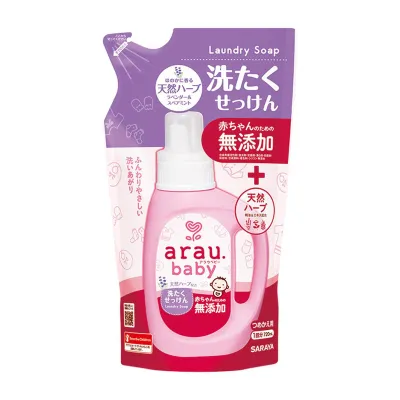
To verify what goes onto your baby’s clothes, start by locating the ingredient list on your specific bottle of Saraya detergent. Manufacturers often place this list on the back label, sometimes under a peel-back sticker if the packaging is compact. If the physical bottle lacks a detailed breakdown due to regional labeling standards, visit the official Saraya brand website to view the complete technical data sheet or product page.
Products mentioned in this guide
Prices are valid at publication and may change. Please refer to the product page for the latest price.
When reading the list, pay close attention to the order of ingredients, which is typically arranged from highest to lowest concentration. The primary cleaning agents, or surfactants, usually appear near the top of the list. In baby-focused formulations, these are often plant-derived soaps or mild synthetic surfactants designed to lift oils without stripping the skin.
Next, scan the middle and bottom of the list for secondary ingredients such as fragrances, essential oils, and preservatives. Saraya products frequently incorporate natural botanical extracts or essential oils, such as lavender or spearmint, for a mild scent. While natural, these botanical ingredients can still trigger reactions in highly sensitive infants, making it essential to identify them beforehand.
Finally, always verify the specific batch or version of the detergent you have purchased. Manufacturers periodically update their formulations to improve performance or comply with updated safety standards. A bottle purchased today may have a slightly different ingredient profile than one bought a year ago, so make label-checking a habit with every new purchase.
Which Ingredients Are Gentle or Harsh for Newborns?
Understanding which ingredients are generally gentle and which are potential irritants allows you to evaluate any baby detergent label with confidence. Gentle formulations typically rely on mild, plant-based surfactants. For example, potassium cocoate (a soap derived from coconut oil) and alkyl polyglucosides are common choices that clean effectively while rinsing away easily, leaving minimal residue on fabric fibers.

Conversely, several common detergent ingredients are known to be harsh on newborn skin and should ideally be avoided. Synthetic dyes, used solely for aesthetic appeal, serve no functional purpose in cleaning and can easily irritate sensitive skin. Strong artificial fragrances are another primary trigger for contact allergies and respiratory sensitivity in young infants.
Optical brighteners are another category of additives to watch out for on detergent labels. These chemical compounds absorb ultraviolet light and emit blue light to make fabrics appear whiter and brighter. Because optical brighteners are designed to remain in the fabric fibers after rinsing, they come into direct, prolonged contact with your baby’s skin, potentially causing irritation.
When shopping, you will frequently encounter marketing terms like “hypoallergenic,” “dermatologically tested,” or “natural” on the front of the packaging. While these claims suggest a milder product, they are not standardized medical terms. You should always cross-reference these front-label promises with the actual ingredient list on the back to ensure the product is truly free from synthetic perfumes, dyes, and harsh preservatives.
How to Safely Test a New Detergent on Baby Clothes
Even if a detergent’s ingredient list appears exceptionally mild, the ultimate test of compatibility is how your newborn’s skin reacts to the washed fabric. To introduce a new detergent safely, begin by washing a small, isolated batch of baby items rather than laundering their entire wardrobe at once. Choose a few frequently used items, such as a couple of cotton onesies or a swaddle blanket, for this initial trial.
Once these items are washed and dried, perform a simple, observable fabric patch test. Dress your baby in one of the test-washed onesies and closely monitor the skin that comes into direct contact with the fabric. Over the next 24 to 48 hours, observe these areas for any signs of localized redness, dryness, tiny bumps, or unusual itching.
In warm and humid tropical climates, babies are already prone to heat rashes and sweat irritation. This makes it even more critical to ensure that detergent residue does not compound skin friction. To minimize the risk of residue buildup, always adhere strictly to the manufacturer’s recommended dosage; using too much detergent makes it difficult for the washing machine to rinse the fabric clean.
To further safeguard your newborn’s skin, consider adding an extra rinse cycle to your washing machine’s program. This additional step helps flush out any lingering surfactant molecules from the fabric weave. If your baby shows no signs of skin irritation after a few days of wearing the test-washed clothes, you can gradually transition to using the detergent for all of their laundry.
When to Stop Using the Detergent and See a Doctor
If your newborn develops a skin reaction, immediate action is necessary to prevent further discomfort. Stop using the detergent immediately if you notice unexplained rashes, persistent redness, dry or peeling patches, or if your baby seems unusually fussy and scratches at their skin. Switch back to washing their clothes with plain water or a previously tolerated, fragrance-free alternative while their skin heals.
It is important not to self-diagnose or assume that the detergent is the sole cause of the skin issue. Newborn skin conditions, such as eczema, baby acne, or heat rash, can look very similar to contact dermatitis caused by laundry products. Consult a pediatrician or a pediatric dermatologist to obtain an accurate diagnosis and a safe treatment plan.
When you visit the healthcare professional, keep the detergent packaging or a clear photograph of the ingredient list handy. Sharing the exact formulation with your doctor can help them identify specific chemical culprits or allergens. This information is invaluable for managing your baby’s skin health and selecting safe household products in the future.
Frequently Asked Questions (FAQ)
Can I use regular adult detergent instead of a specific baby brand?
It is generally recommended to avoid using standard adult detergents for newborn laundry. Adult formulations often contain stronger surfactants designed to tackle heavy grease and stains, along with high concentrations of synthetic fragrances and optical brighteners. These ingredients are highly likely to leave residues that can irritate a newborn’s delicate skin barrier. If you prefer to use a single detergent for the entire household, opt for a sensitive, fragrance-free, and dye-free formula that is explicitly labeled as suitable for infant clothing.
Does washing baby clothes in hot water remove all detergent residue?
While hot water can help dissolve certain detergents more efficiently, water temperature alone does not guarantee the complete removal of detergent residue. In fact, using excessively hot water on some fabrics can cause fibers to shrink or trap residues within the weave. The most effective way to eliminate residue is through proper dosing—never exceeding the recommended amount of liquid—and utilizing an extra rinse cycle with clean, cool or warm water to thoroughly flush the fabric fibers.

Community discussion
Share your experience or ask a question. Comments are reviewed before publication.