
Parents in Singapore searching for “HSA-approved” baby skincare products like QV Baby Wash often want to ensure the product has undergone rigorous government testing before hitting store shelves. In Singapore, the Health Sciences Authority (HSA) does not issue an “approval” stamp for cosmetic products, including baby washes, before they are sold. Instead, the HSA operates a regulatory framework based on notification and post-market surveillance. This means that while QV Baby Wash is not “HSA-approved” in the sense of receiving a pre-market safety certificate from the government, legitimate supplies must be notified with the HSA by the local importer or manufacturer before they can be legally sold in Singapore. Understanding this distinction is crucial for parents who want to verify the safety and authenticity of their baby’s bath products.
Understanding HSA Regulations for Baby Bathing Products
The regulatory landscape for cosmetics and skincare in Singapore is governed by the Health Sciences Authority under the ASEAN Cosmetic Directive. Under this framework, baby washes, shampoos, lotions, and other personal care items are classified as cosmetic products. Unlike pharmaceutical drugs or medical devices, which require extensive pre-market evaluation and official registration, cosmetic products do not undergo pre-market testing or approval by the HSA. This approach aligns Singapore with international standards, placing the primary responsibility for product safety directly on the companies that manufacture or import these items.
Before any cosmetic product can be sold to consumers in Singapore, the local importer or manufacturer must submit a product notification to the HSA. This notification process serves as an administrative record rather than a safety endorsement. It requires the company to declare the product’s ingredients, manufacturing details, and intended use. By maintaining this registry, the HSA can quickly trace products and coordinate recalls if safety issues or contamination are discovered after the product enters the market.
Products mentioned in this guide
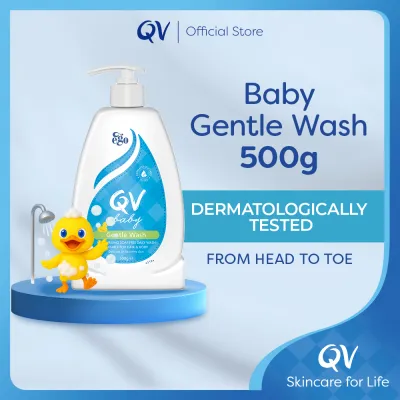
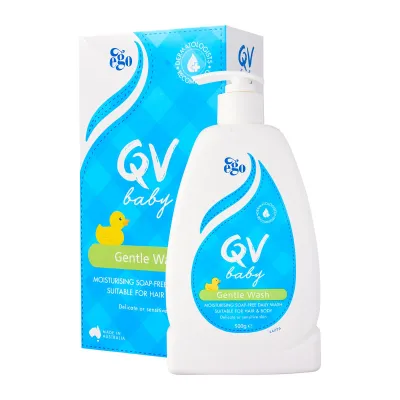
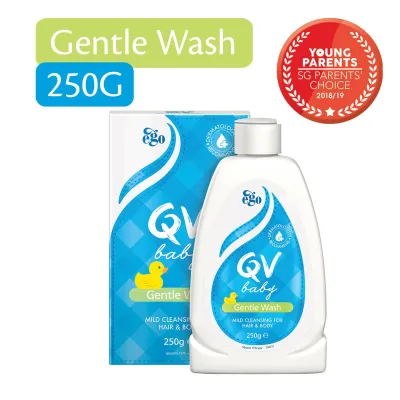
![EGO QV BABY Moisturising Cream / Gentle Wash 250g | 500g (Suitable for Dry Sensitive & Eczema prone baby skin) [Baebear.sg]](https://img.lazcdn.com/g/p/d1d9b4f7ffbbf41288c0f630fe02dea9.jpg_400x400q80.jpg_.webp)
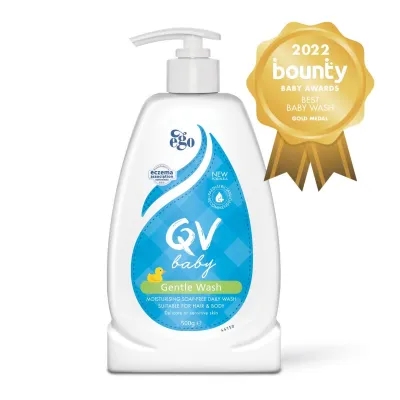
Prices are valid at publication and may change. Please refer to the product page for the latest price.
The local company submitting the notification bears full legal responsibility for ensuring the product is safe for public use. They must conduct comprehensive safety assessments, verify that all ingredients comply with local regulations, and ensure the manufacturing facilities adhere to Good Manufacturing Practice (GMP) standards. Furthermore, the company must maintain a product information file containing safety data sheets, formulation details, and adverse reaction reports, which must be made available to the HSA upon request.
The HSA maintains strict guidelines regarding the ingredients allowed in baby care products. Certain hazardous chemicals are completely banned, while others, such as specific preservatives, colorants, and active agents, are subject to strict concentration limits. Because infant skin is significantly thinner, more permeable, and more susceptible to chemical absorption than adult skin, regulatory bodies expect manufacturers to apply higher safety margins and conduct specialized assessments for products formulated specifically for babies.
How to Verify QV Baby Wash Compliance in Singapore
To ensure the QV Baby Wash you purchase is compliant with local regulations and safe for your baby, you can perform several practical checks on the physical packaging. Legitimate products imported through authorized channels in Singapore typically feature a label or sticker detailing the local importer’s name, address, and contact information. This label is a key indicator of accountability, showing that a local entity has taken responsibility for notifying the HSA and managing the product’s distribution.

In addition to importer details, inspect the packaging for clear batch numbers, manufacturing dates, and expiration dates. These details are essential for quality control and allow you to verify the product’s freshness. If the packaging lacks this information, or if the text is smudged, poorly printed, or written in a language that does not match the official distribution standards for Singapore, it may indicate a parallel import or a counterfeit product.
While the HSA maintains an online database of notified cosmetic products, navigating this portal as a consumer can sometimes be challenging due to the high volume of notifications and variations in product naming conventions. Instead of relying solely on database searches, parents can verify compliance by purchasing from authorized distributors and reputable retail chains. Established local pharmacies, supermarkets, and official brand stores on major ecommerce platforms are required to source their inventory from authorized distributors, ensuring the products have been properly notified.
Purchasing baby skincare products from unverified third-party sellers on online marketplaces carries significant risks. These sellers often source their inventory from parallel imports, which are products manufactured for other countries with different regulatory standards, climates, or formulation requirements. In worse cases, unauthorized listings may feature counterfeit products that have not undergone any safety testing, may contain banned substances, or may have been stored in hot, humid warehouses that compromise the stability and safety of the ingredients.
Evaluating Baby Wash Safety Through Ingredients and Labels
When official pre-market approval is not part of the regulatory process, parents must develop practical label-reading skills to evaluate the safety and suitability of a baby wash. The first step is to look at the ingredient list, which is typically ordered by concentration from highest to lowest. For babies, especially those with sensitive or eczema-prone skin, the formula should be as simple and gentle as possible, avoiding unnecessary additives that could trigger irritation.
One of the most important things to look for is the absence of harsh surfactants, such as Sodium Lauryl Sulfate (SLS) or Sodium Laureth Sulfate (SLES). These ingredients are commonly used to create a rich lather, but they can strip the delicate infant skin barrier of its natural lipids, leading to dryness, redness, and itching. Gentler alternatives, such as synthetic detergents (syndets) or mild, plant-derived cleansing agents, are preferred for maintaining the skin’s natural moisture.
Fragrances and colorants are among the leading causes of allergic contact dermatitis in infants and young children. Even natural essential oils can contain compounds that sensitize delicate skin. Choosing a baby wash that is explicitly labeled as “fragrance-free” and “colorant-free” is a safer approach, particularly during the first few months of life when the skin barrier is still developing. Parents should note that “unscented” products may still contain masking fragrances to cover up the smell of raw ingredients, whereas “fragrance-free” means no fragrance chemicals have been added.
Understanding common marketing claims can also help you make informed decisions. Claims like “dermatologically tested” indicate that the product has been evaluated under the supervision of a dermatologist, though the specific testing protocols can vary. “pH-balanced” is another crucial claim for baby skincare; a healthy baby’s skin has a slightly acidic pH of around 5.5, which supports the protective acid mantle. Using a wash that matches this pH helps preserve the skin’s natural defenses against bacteria and environmental irritants.
Always verify the age recommendations and specific usage warnings printed on the bottle. Some products are formulated specifically for newborns, while others are intended for older babies or toddlers. Additionally, check for instructions regarding eye contact; tear-free formulas are designed to minimize discomfort if the product accidentally gets into the baby’s eyes, but care should still be taken to rinse the area thoroughly with clean water if contact occurs.
Recognizing Adverse Reactions and When to Stop Use
Even when using a highly recommended, compliant, and gentle baby wash, there is always a small possibility that an individual baby may experience an adverse reaction. Parents should closely monitor their baby’s skin during and after bath time, especially when introducing a new product. Early detection of skin irritation allows you to take immediate action and prevent the condition from worsening.
Visual signs of an adverse reaction or contact dermatitis include localized redness, dry or flaky patches, small raised bumps, or a widespread rash. Behavioral signs can also indicate discomfort; if your baby becomes unusually irritable, cries during the bath, or constantly rubs or scratches their skin after being dried, they may be experiencing itching or burning sensations. These symptoms suggest that the product’s formulation may be too harsh or that the baby has a specific sensitivity to one of the ingredients.
If you observe any signs of irritation, the first and most important step is to discontinue use of the product immediately. Gently rinse the baby’s skin with plenty of lukewarm, clean water to ensure all traces of the wash are completely removed. Pat the skin dry with a soft, clean towel without rubbing. Avoid applying any other scented lotions, creams, or home remedies to the affected area, as these can introduce further irritants and complicate the recovery process.
In most mild cases, the skin will begin to recover shortly after you stop using the offending product. However, you should consult a pediatrician or a dermatologist if the redness or rash does not improve within a few days, if it appears to be spreading, or if the baby shows signs of severe discomfort. Immediate medical attention is necessary if you notice signs of infection, such as oozing, pus, yellow crusting, extreme warmth, or if the baby develops a fever.
For babies with pre-existing skin conditions, such as moderate to severe eczema or extremely dry skin, consulting a healthcare professional before choosing a bath product is highly recommended. A pediatrician or pediatric dermatologist can provide personalized advice, recommend specific therapeutic washes, and help you establish a safe bathing routine that supports the skin barrier without causing flare-ups.
Frequently Asked Questions (FAQ)
Does the Health Sciences Authority test every baby wash before sale?
No, the Health Sciences Authority does not conduct pre-market testing or issue safety approvals for individual baby washes or other cosmetic products before they are sold. Instead, the HSA relies on a post-market surveillance system. This system involves monitoring the market, conducting random product testing, investigating consumer complaints, and tracking adverse reaction reports submitted by healthcare professionals. If a product is found to be unsafe, contaminated, or non-compliant with local regulations, the HSA will take swift action to recall the product and notify the public.
What should I do if I suspect a counterfeit QV Baby Wash?
If you suspect that a bottle of QV Baby Wash you purchased is counterfeit, has altered packaging, or has caused an unusual skin reaction, you should stop using it immediately. Keep the packaging and the remaining product, as these may be needed for investigation. You can report your concerns and submit a feedback form to the Health Sciences Authority through their official website. Additionally, you should contact the official brand representative or authorized distributor in Singapore to report the seller and verify the authenticity of the batch number printed on the bottle.

Community discussion
Share your experience or ask a question. Comments are reviewed before publication.