
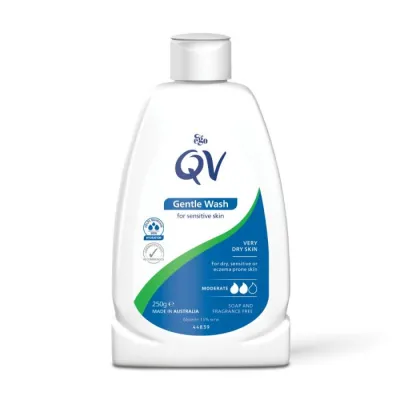
In Singapore, baby bath products like QV Baby Gentle Wash do not receive an official “HSA certification” or “HSA approval” before they are sold. Instead, the Health Sciences Authority (HSA) regulates these items as cosmetic products, which require a post-market notification submitted by the local importer or distributor before they can be placed on the market. To determine if a specific bottle of QV Baby Gentle Wash is safe for your newborn, you must verify its notification status through the official HSA registry and carefully evaluate its ingredient list against the unique needs of delicate infant skin. While the product is widely formulated to be soap-free and fragrance-free, individual newborn skin sensitivity varies, making a systematic label check and a localized patch test essential steps for every caregiver.
Understanding HSA Regulations for Baby Bath Products
To navigate the baby care market in Singapore safely, it is important to understand how the Health Sciences Authority (HSA) oversees these products. Unlike therapeutic medicines or medical devices, which undergo rigorous pre-market evaluation and clinical trial reviews to receive official approval, baby washes, shampoos, and lotions fall under the regulatory umbrella of cosmetic products.
Under the ASEAN Cosmetic Directive, which Singapore enforces, cosmetic products do not receive a stamp of approval from the HSA. Instead, the local company responsible for placing the product on the Singapore market must submit a product notification to the HSA before sale. This notification serves as a declaration that the product complies with safety standards and does not contain prohibited ingredients.
Products mentioned in this guide
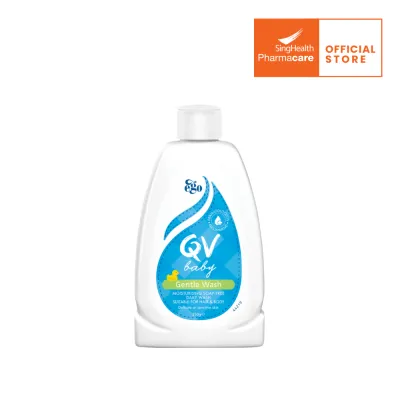
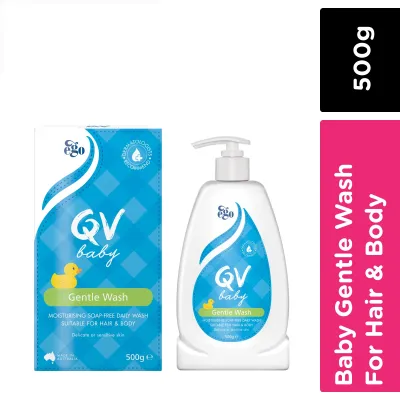
![[Bundle of 3] QV Baby Gentle Wash 500g x 3](https://img.lazcdn.com/g/p/2cbd7ddaf7fd9b22191b7ff8ace9a414.jpg_400x400q80.jpg_.webp)
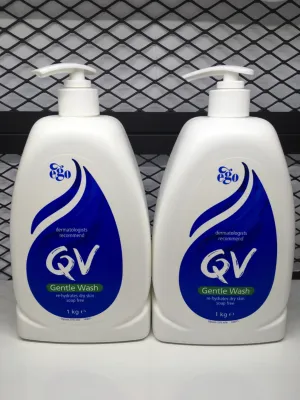
![EGO QV BABY Moisturising Cream / Gentle Wash 250g | 500g (Suitable for Dry Sensitive & Eczema prone baby skin) [Baebear.sg]](https://img.lazcdn.com/g/p/d1d9b4f7ffbbf41288c0f630fe02dea9.jpg_400x400q80.jpg_.webp)
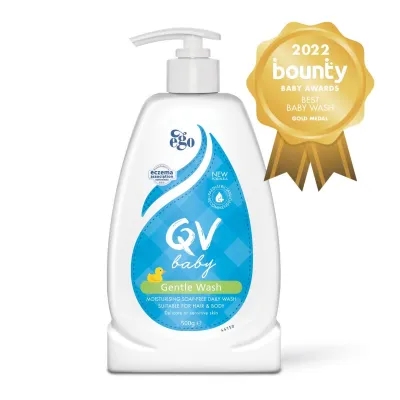
![[Bundle of 4]AUTHORIZED STORE QV Gentle Wash 1.25KG (Suitable for Sensitive and Dry Skin) | Big Saving | Hydrating Care for Whole Family | Skin Soothing Formula [Baebear.sg]](https://img.lazcdn.com/g/p/c5cf9402f0f4a9b7572fde140ac5682a.png_400x400q80.png_.webp)
Prices are valid at publication and may change. Please refer to the product page for the latest price.
Caregivers can easily verify the regulatory status of any baby wash using public resources. The HSA maintains an online portal where consumers can search the cosmetic product notification database. By entering the brand name or the specific product name, you can confirm whether a valid notification has been filed.
This search will also reveal the name of the local responsible company or distributor. If a product does not appear in this database, or if the importer listed does not match reputable local supply chains, it may indicate a parallel-imported or unregulated product that has bypassed local safety checks.
In addition to online verification, the physical packaging of the baby wash provides critical regulatory clues. Under Singapore regulations, cosmetic products must display specific mandatory information on their labels in English. This includes a complete list of ingredients using their international nomenclature, the batch number or manufacturing reference, the country of manufacture, and the name and address of the local company responsible for marketing the product.
When purchasing baby wash, always inspect the bottle to ensure this information is clearly legible and that a local Singapore address is present. This guarantees accountability and provides a direct point of contact if an adverse reaction occurs.
Evaluating QV Baby Gentle Wash for Newborn Skin
A newborn’s skin barrier is significantly thinner and more permeable than an adult’s, making it highly susceptible to dryness, chemical absorption, and irritation. When evaluating QV Baby Gentle Wash, caregivers should look for specific indicators on the packaging that confirm its suitability for infants.

Start by checking for explicit age recommendations. Reputable baby brands typically state whether a formulation is suitable for newborns or safe from birth. These statements indicate that the manufacturer has formulated the product with the mildest possible ingredients to respect the fragile outer layer of infant skin.
The next step is a thorough review of the ingredient list on the back of the bottle. A safe newborn wash should be free from common irritants that can strip the skin of its natural lipids. Look for a soap-free label, which means the product uses mild synthetic detergents rather than traditional soap bases that have a high pH and can cause severe dryness.
Additionally, verify that the product contains no added fragrances, perfumes, or artificial colorants. Fragrance is one of the leading causes of contact dermatitis in infants, and even natural essential oils can trigger sensitivities in newborns.
Furthermore, check the label for dermatological testing claims and pH balance. A newborn’s skin naturally maintains a slightly acidic pH, typically between 5.5 and 6.0, which helps protect against harmful bacteria. Using a wash that is pH-balanced to match this natural acidity helps preserve the skin’s protective acid mantle.
Look for terms like dermatologically tested, hypoallergenic, or suitable for sensitive skin. While these terms are not standardized regulatory certifications, they indicate that the manufacturer has conducted safety assessments to minimize the risk of allergic reactions.
Safe Bathing Practices and Patch Testing
Even when a product is formulated for sensitive infant skin and notified with the HSA, every newborn is unique, and individual sensitivities can still occur. Before using any new wash over your baby’s entire body, it is highly recommended to perform a localized patch test.
To do this, apply a tiny drop of the diluted wash to a small, discreet area of your baby’s skin, such as the inside of the elbow or the upper thigh, during bath time. Rinse it off gently and monitor the area over the next 24 to 48 hours.
If you observe any signs of redness, swelling, tiny bumps, or dryness, discontinue use immediately. This indicates a localized sensitivity to one of the ingredients, and the product should not be used for full-body bathing.
When introducing a wash into your newborn’s bathing routine, practicing safe bathing techniques is just as important as choosing the right product. Newborns do not require daily baths with soap or wash; bathing two to three times a week with plain, lukewarm water is often sufficient for the first few weeks, with wash reserved for the diaper area and skin folds.
Ensure the bath water is comfortably warm, not hot, ideally matching the baby’s body temperature. Use only a minimal, pea-sized amount of the gentle wash, and apply it using your bare hands rather than a rough washcloth to avoid mechanical friction on the delicate skin barrier.
Caregivers must remain vigilant for any adverse skin reactions during and after bathing. Stop using the product immediately if your baby develops persistent redness, dry peeling patches, hives, or signs of discomfort and fussiness during or after a bath.
If these symptoms do not resolve within a few days of stopping the product, or if the skin appears cracked, oozing, or infected, consult a qualified pediatrician or dermatologist. They can provide a proper diagnosis, recommend therapeutic alternatives, and help you identify the specific ingredients your baby may be reacting to.
Frequently Asked Questions (FAQ)
Do all baby washes in Singapore need HSA approval?
No, baby washes sold in Singapore do not undergo a pre-market approval process by the HSA. Instead, they are regulated as cosmetic products under the ASEAN Cosmetic Directive. This framework requires the local importer or manufacturer to submit a product notification to the HSA before placing the item on the market. This notification system ensures that the company takes full responsibility for the product’s safety and compliance, allowing the HSA to monitor the market and take swift action, such as recalls, if any safety issues or prohibited ingredients are detected post-market.
What ingredients should I avoid in newborn body wash?
When reviewing the ingredient labels of newborn body washes, caregivers should actively avoid harsh surfactants like Sodium Lauryl Sulfate (SLS) and Sodium Laureth Sulfate (SLES), which can severely strip the skin’s natural moisture. Additionally, avoid synthetic fragrances, parabens, formaldehyde-releasing preservatives, and artificial dyes. These substances are known sensitizers that can disrupt the fragile skin barrier of a newborn, potentially leading to contact dermatitis, dryness, and increased susceptibility to environmental allergens.

Community discussion
Share your experience or ask a question. Comments are reviewed before publication.