
Whether Pureen ABD baby detergent is safe for your newborn depends on its specific, current formulation and your baby’s unique skin sensitivity. While baby detergents are generally formulated to be milder than standard adult laundry detergents, parents must verify the exact ingredient list on the physical packaging to ensure it is free from personal triggers like specific synthetic fragrances, dyes, or harsh preservatives.
Why Ingredient Checks Matter for Newborn Skin
Newborn skin is structurally different from adult skin, making it far more vulnerable to external substances. The outer layer of a newborn’s skin, known as the stratum corneum, is significantly thinner and has a less developed barrier function. This structural immaturity means that chemicals coming into contact with the skin can penetrate more easily, increasing the risk of irritation and systemic absorption.
When clothes are washed, microscopic residues of laundry detergents can remain trapped within the fabric fibers. For an adult, these tiny amounts are usually harmless. However, for a newborn, constant friction against residue-laden clothing, bedding, or swaddles can easily trigger contact dermatitis, dryness, or localized rashes.
Products mentioned in this guide
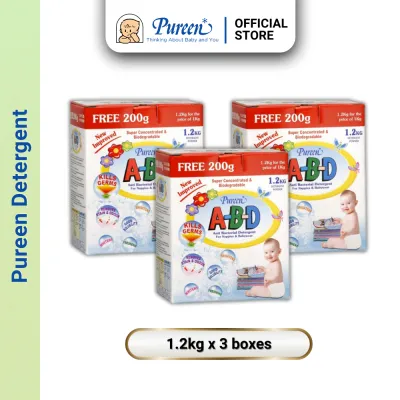
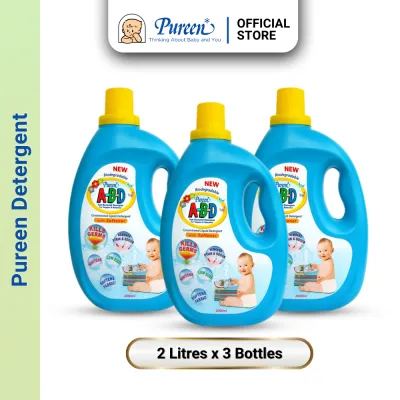
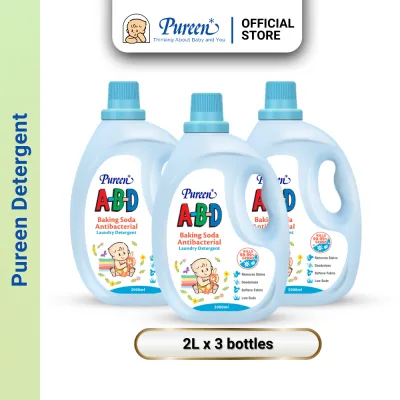
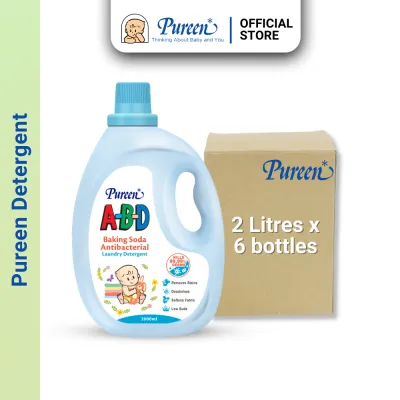
Prices are valid at publication and may change. Please refer to the product page for the latest price.
Many parents rely solely on front-label marketing terms such as “gentle,” “mild,” “hypoallergenic,” or “pediatrician-tested.” While these terms suggest a product is designed with babies in mind, they are not strictly regulated standard definitions. The only way to truly assess a detergent’s suitability for your newborn is to turn the bottle over and evaluate the actual chemical formulation listed on the back label.
How to Verify the Exact Pureen ABD Formula
To determine if Pureen ABD is suitable for your newborn, you must locate and verify its exact, current ingredient list. Formulations can change over time due to regulatory updates, sourcing shifts, or product improvements. Therefore, the physical packaging of the bottle you purchase is always the primary source of truth.

When shopping, look closely at the back or side panels of the Pureen ABD bottle for a full ingredient disclosure. If the physical label only lists broad categories of ingredients rather than specific chemical names, you can seek more detailed information from official channels. Consulting the manufacturer’s official website or contacting their customer service can help you obtain a Safety Data Sheet (SDS) or a comprehensive ingredient breakdown.
Additionally, keep in mind that products distributed in different regions or purchased through various online marketplaces may have slight formulation variations. Always verify the label of the specific bottle in your possession rather than relying on older online reviews or third-party blog posts, which may reference outdated formulations.
Assessing Common Detergent Ingredients for Safety
Once you have the ingredient list in hand, you can evaluate the components using a practical safety framework. The primary active ingredients in any detergent are surfactants, which lower the surface tension of water to remove dirt and oils. For newborn laundry, look for mild, plant-derived surfactants (such as those derived from coconut or corn) rather than harsh synthetic surfactants like Sodium Lauryl Sulfate (SLS), which are known to strip moisture from delicate skin.
Enzymes are another common addition to baby detergents, used to break down organic stains like milk, formula, and spit-up. While enzymes are highly effective at stain removal, some infants with extremely sensitive skin or pre-existing eczema may experience mild sensitivities to residual enzymes in their clothing. If your baby has highly reactive skin, you may want to monitor how they react to enzyme-containing formulas.
Certain additives should be carefully monitored or avoided altogether. Synthetic fragrances and artificial dyes are among the most common triggers for pediatric skin allergies and contact dermatitis. Optical brighteners, which are chemicals designed to make fabrics look whiter and brighter by absorbing ultraviolet light, do not actually clean the clothes and can remain on the fabric, potentially irritating a newborn’s skin.
Preservatives are necessary in liquid detergents to prevent the growth of harmful bacteria, mold, and yeast. However, the type of preservative matters. Parents should check for and research the specific preservatives used in the formula, as some older classes of preservatives are more prone to causing skin sensitization than modern, food-grade, or milder alternatives.
Washing and Rinsing Practices to Minimize Irritation
Even the mildest detergent can cause issues if not used correctly, making proper laundry practices essential for protecting newborn skin. Always pre-wash all new baby clothes, blankets, swaddles, and bedding before their very first use. This step removes chemical residues, starches, and dust accumulated during manufacturing, shipping, and handling.
When preparing a load of laundry, measure the detergent strictly according to the manufacturer’s dosing instructions. Avoid the temptation to add extra detergent for heavily soiled loads, as over-dosing leads to excessive suds that are difficult to rinse out. This excess soap remains trapped in the fabric fibers, directly increasing the risk of skin irritation.
To ensure all detergent residues are thoroughly flushed away, utilize the extra rinse cycle option on your washing machine. An additional rinse with clean water is one of the most effective ways to minimize the presence of residual surfactants or fragrances on your baby’s clothing.
Finally, closely monitor your baby’s skin for any signs of redness, dryness, flaking, or localized rashes, particularly in areas where clothing fits tightly against the skin, such as the collar, cuffs, or diaper line. If you notice any signs of irritation, discontinue use of the detergent immediately, switch to a fragrance-free alternative, and consult a pediatrician or qualified healthcare professional if the rash persists or worsens.
Frequently Asked Questions (FAQ)
Should I wash newborn clothes separately from the rest of the family's laundry?
Washing newborn clothes separately is highly recommended if you are using a dedicated baby detergent for your infant while continuing to use standard, heavily fragranced detergents for the rest of the family. This separation prevents cross-contamination of fragrances, dyes, and harsh chemicals during the wash cycle. However, if the entire household switches to a gentle, fragrance-free, hypoallergenic detergent, you can safely combine loads. Regardless of the detergent used, always avoid washing heavily soiled adult workwear, kitchen rags, or muddy items in the same load as your newborn’s delicate clothing.
Is it necessary to use a dedicated baby fabric softener?
It is generally best to avoid fabric softeners altogether for newborn laundry. Traditional liquid fabric softeners and dryer sheets work by leaving a chemical coating over fabric fibers to make them feel softer. This coating can significantly reduce the absorbency of cloth diapers, towels, and bibs, making them less effective. More importantly, fabric softeners are often heavily loaded with synthetic fragrances and preservatives that can easily irritate a newborn’s sensitive skin. For natural softness, consider using reusable wool dryer balls in the dryer, or simply rely on a high-quality, gentle baby detergent and a thorough rinse cycle.
How can I tell if a skin reaction is from the detergent or something else?
Detergent-related contact dermatitis typically presents as red, dry, itchy, or bumpy skin in areas that have direct, friction-heavy contact with clothing, such as the chest, back, arms, and legs, while often sparing the diaper area which is protected by a diaper rather than washed fabric. If the rash appears globally or is accompanied by other symptoms, it may be linked to new baby lotions, dietary changes, environmental allergens, or conditions like infantile eczema. Because newborn skin is highly sensitive and rashes can have various underlying causes, always consult a pediatrician or healthcare professional for an accurate diagnosis and treatment plan.

Community discussion
Share your experience or ask a question. Comments are reviewed before publication.