
When choosing a water bottle for your baby, safety and durability are always the top priorities. PPSU (polyphenylsulfone) has rapidly become one of the most popular materials for baby bottles and toddler training cups, frequently marketed as a premium, safer alternative to traditional plastics. While it is widely recognized for its exceptional durability and heat resistance, understanding how to use and maintain this material is essential to keeping your baby safe.
The safety of any baby water bottle does not rely solely on the raw material itself. It depends heavily on how the product is manufactured, sterilized, and maintained over time. By learning the science behind PPSU, recognizing the limits of “BPA-free” labels, and knowing when to replace a worn-out bottle, you can make informed decisions that protect your child’s health during feeding and weaning.
Understanding PPSU Material and BPA-Free Claims
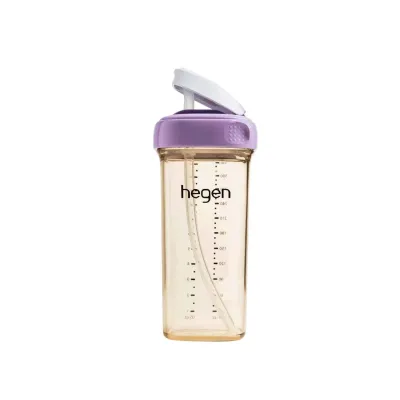
Polyphenylsulfone, commonly known as PPSU, is a high-performance, medical-grade thermoplastic. It is easily recognizable by its natural, honey-toned or amber hue, which distinguishes it from clear plastics like polypropylene or polycarbonate. Because of its extreme durability and ability to withstand repeated sterilization, PPSU is widely used in medical devices, aerospace components, and premium baby products.
Products mentioned in this guide
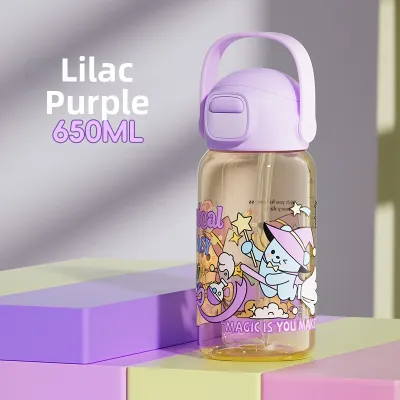
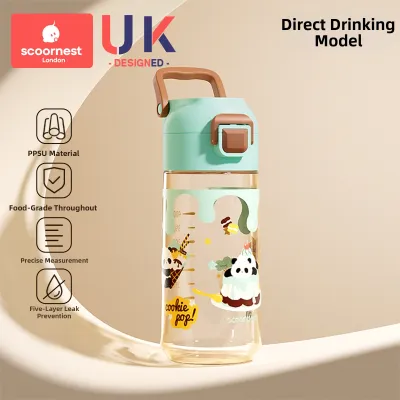
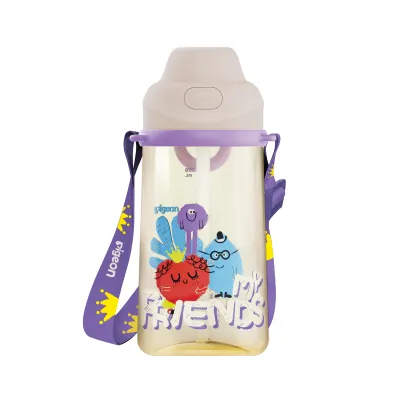
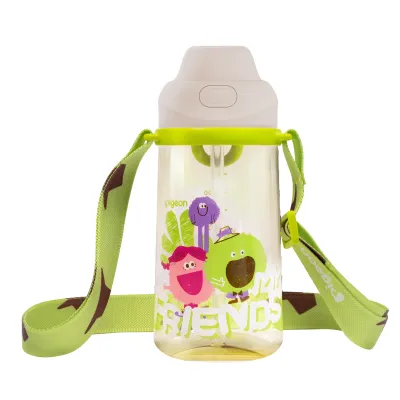
![[Korea]🇰🇷AUTHENTIC Grosmimi KIDS TUMBLER Stainless steel PPSU with HAND STRAP Silicone cover 300ml Dotgom Cherrish Olive korean bottle wide neck](https://img.lazcdn.com/g/p/098251eebf5a31e2cf5067ecbb7e7be8.png_400x400q80.png_.webp)
Prices are valid at publication and may change. Please refer to the product page for the latest price.
Many parents turn to PPSU because it is prominently labeled as “BPA-free.” Bisphenol A (BPA) is a chemical historically used to harden plastics, but it has been widely restricted in baby products due to concerns over chemical leaching and its potential effects on infant development. While a “BPA-free” label confirms the absence of this specific compound, it does not automatically guarantee that a product is free from all chemical risks.
Some manufacturers may substitute BPA with other bisphenols, such as BPS (Bisphenol S) or BPF (Bisphenol F), which may carry similar characteristics. Therefore, it is important to look for comprehensive chemical disclosures from reputable brands that explicitly state their products are free from all bisphenols and harmful plasticizers.
Ultimately, the material name alone is not a universal guarantee of safety. The overall safety of a water bottle is determined by the quality of the manufacturing process, the purity of the food-contact materials used, and how strictly you follow the manufacturer’s guidelines. Purchasing from trusted, established brands ensures that the product has undergone rigorous quality control before reaching your home.
Heat Resistance and Sterilization Safety
One of the primary reasons parents invest in PPSU water bottles is their superior heat tolerance compared to standard plastics. However, this heat resistance is not infinite, and safe sterilization practices depend entirely on the specific manufacturer’s guidelines. Before subjecting a new bottle to high temperatures, you must consult the product packaging or instruction manual to verify its maximum temperature limit.

Different sterilization methods—such as boiling, steam sterilizing, or using ultraviolet (UV) sterilizers—affect materials in distinct ways. While PPSU can generally withstand higher temperatures than other plastics, exceeding the manufacturer’s specified limit can lead to structural damage. Always use a thermometer or follow the exact timing instructions provided by the manufacturer to avoid overheating.
Subjecting a PPSU bottle to temperatures beyond its rated threshold can cause the plastic to warp, develop micro-cracks, or weaken structurally. These micro-cracks may not always be visible to the naked eye, but they compromise the integrity of the bottle and can harbor bacteria.
Furthermore, UV sterilizers have become highly popular in modern households, but prolonged exposure to UV light can accelerate the aging process of certain plastics. Check if the bottle manufacturer explicitly approves UV sterilization for their specific PPSU model, as some designs or accompanying components, like silicone teats or plastic collars, may degrade faster under UV exposure.
Chemical Leaching Risks and Usage Boundaries
Although PPSU is highly stable and resistant to chemical breakdown under normal conditions, extreme environmental stressors can compromise its molecular structure. To prevent chemical leaching and maintain the safety of the bottle, parents must operate within strict usage boundaries.
Avoid using harsh chemical cleaning agents, such as bleach, strong detergents, or abrasive scrubbing powders, on your baby’s water bottle. These substances can scratch or chemically degrade the plastic surface, increasing the risk of material breakdown. Instead, opt for mild, baby-safe dish soaps and soft sponge brushes designed specifically for delicate feeding equipment.
Microwaving a PPSU bottle to warm liquids is another practice that requires caution. Unless the manufacturer’s instructions explicitly state that the bottle is microwave-safe, you should avoid this method. Microwaving can create localized “hot spots” in the liquid that pose a burn risk to your baby, and it can subject the plastic to uneven thermal stress.
Parents should regularly inspect their baby’s water bottles for observable signs of degradation. If you notice any cloudiness, a sticky texture, persistent unusual odors, or physical warping, the plastic has likely begun to break down. In such cases, stop using the bottle immediately and discard it to prevent any potential chemical exposure.
How to Verify Safety Certifications and Labels
With numerous baby products available on online marketplaces and in physical stores, verifying safety certifications is a crucial step for parents. When purchasing a PPSU water bottle, look for recognized international safety marks on the packaging. These may include compliance with European Union (EU) food-contact regulations or United States Food and Drug Administration (FDA) standards.
In Singapore, consumer products must comply with local safety regulations managed by Enterprise Singapore. Look for clear labeling that indicates the product meets safety standards for food-contact materials. These certifications ensure that the plastic has been tested for chemical migration and is safe for daily use with infants.
Do not rely solely on the descriptions provided in online product listings, as these can sometimes be inaccurate or misleading. Once the product is delivered, cross-reference the online claims with the physical packaging and the markings molded onto the bottle itself. Genuine PPSU bottles often have the material name “PPSU” or the plastic recycling code “7” (accompanied by the letters PPSU) molded directly into the base of the bottle.
If you receive a bottle that lacks clear packaging, manufacturer contact information, or molded material markings, treat it with caution. Verifying the physical product ensures that you are using a genuine, high-quality item rather than an uncertified counterfeit that may not meet safety standards.
When to Replace Your Baby's PPSU Water Bottle
Even the most durable PPSU water bottles have a limited lifespan and will eventually need to be replaced. Because these bottles are used daily and subjected to frequent washing and sterilization, they experience gradual wear and tear. Establishing a routine inspection schedule is essential for maintaining a safe feeding environment.
Inspect the bottle regularly for physical signs of wear, such as deep scratches, persistent stains, or a cloudy appearance that does not clear up after washing. In Singapore’s warm and humid climate, moisture can easily trap bacteria in hard-to-clean areas. Micro-scratches on the inner surface of the bottle are particularly hazardous, as they can harbor bacteria and mold that standard cleaning cannot reach.
Over time, repeated exposure to heat and cleaning agents will naturally weaken the plastic. While PPSU lasts significantly longer than standard polypropylene bottles, most manufacturers recommend replacing plastic baby bottles every six to twelve months, depending on the frequency of use and sterilization.
If your baby has reached a new developmental stage, such as transitioning from a teat to a straw or a free-flowing spout, it may also be the perfect time to upgrade to a new bottle. Always prioritize safety by replacing any bottle that shows visible signs of deterioration, regardless of how long you have owned it.
Frequently Asked Questions (FAQ)
Can PPSU bottles be used in the microwave?
Microwave safety is not universal for all PPSU water bottles and depends entirely on the specific product’s design and components. While the raw PPSU material can withstand high temperatures, other parts of the bottle—such as silicone straws, plastic collars, or weighted gravity balls—may not be microwave-safe. Always consult the manufacturer’s instruction manual before placing any bottle component in the microwave to prevent uneven heating, melting, or damage.
Is PPSU safer than glass for babies?
Both PPSU and glass have distinct safety trade-offs, and neither is universally superior. PPSU is highly shatter-resistant, lightweight, and easy for older babies to hold independently, making it an excellent choice for active toddlers and travel. Glass is completely chemically inert and highly resistant to scratching, but it carries a significant risk of breaking and causing injury if dropped. Parents should choose based on their baby’s age, developmental stage, and the specific usage environment.
Does PPSU shed microplastics?
Like all plastic materials, PPSU can potentially shed microplastics if it is subjected to severe mechanical wear, temperatures beyond its rated limits, or harsh cleaning practices. To minimize this risk, avoid using abrasive wire brushes or harsh chemical cleaners that can scratch the plastic. Adhere strictly to the manufacturer’s recommended sterilization temperatures, and replace the bottle immediately if you observe any scratching, cloudiness, or physical degradation.

Community discussion
Share your experience or ask a question. Comments are reviewed before publication.