
Keeping baby feeding gear clean is a top priority for parents in Singapore, where the warm, humid climate can accelerate bacterial growth on damp surfaces. When evaluating how pigeon liquid cleans various feeding accessories, parents find that baby-specific cleansers are highly compatible with glass, plastic, and silicone bottles. However, ensuring absolute safety and preserving the integrity of these materials depends heavily on proper dilution, washing techniques, and thorough rinsing.
Before using any cleaning agent on your baby’s feeding equipment, always check both the cleanser’s label and the bottle manufacturer’s care guidelines. Since formulations and bottle designs can vary, verifying compatibility prevents premature wear and ensures no harmful residues remain. While baby-safe cleansers are formulated to be gentle, incorrect usage can still lead to issues like slippery films or lingering odors.
How Pigeon Liquid Cleans and Interacts with Glass, Plastic, and Silicone
To understand how a liquid cleanser interacts with baby bottles, it helps to look at the chemistry of milk residue. Breast milk and infant formula contain complex fats, proteins, and carbohydrates that do not easily wash away with water alone. Liquid cleansers utilize surfactants—molecules with a water-attracting head and an oil-attracting tail—to emulsify these stubborn fats, allowing them to be rinsed away. When analyzing how pigeon liquid cleans different materials, we must examine how these surfactants interact with the unique physical properties of glass, plastics, and silicone.
Products mentioned in this guide
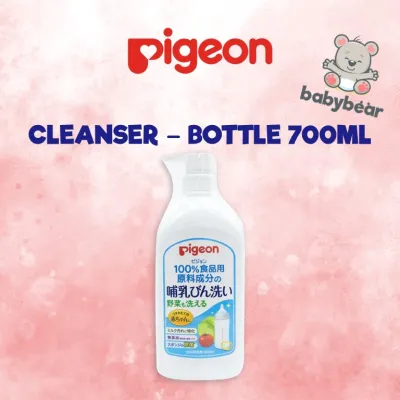
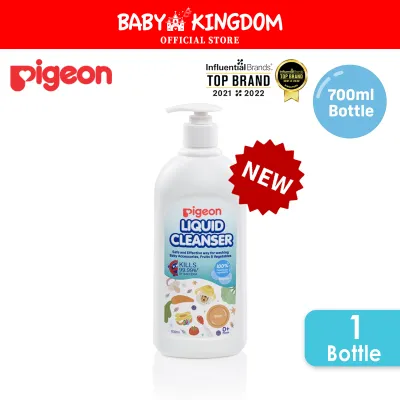
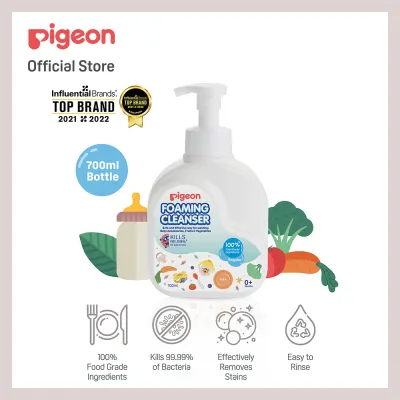
![Pigeon Liquid Cleanser Bundle [700ml (Foam) + 650ml(Refill)]](https://img.lazcdn.com/g/p/dbaede20c69b52d746b84d94b16e1b12.jpg_400x400q80.jpg_.webp)
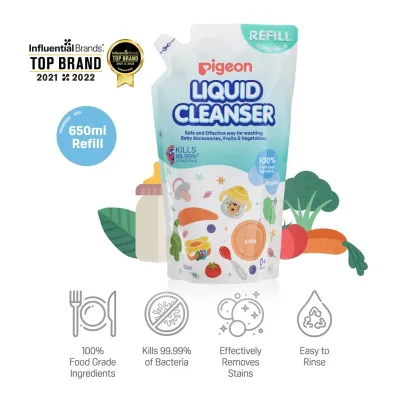
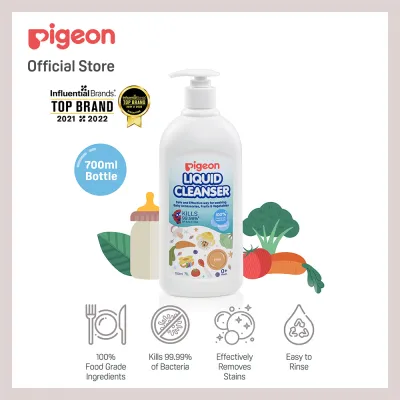
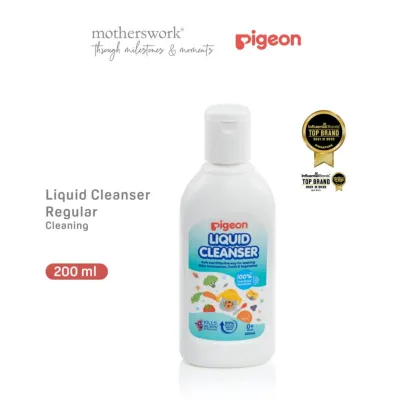
![[100% Food Safe] Pigeon Baby Liquid Cleanser 200 ml](https://img.lazcdn.com/g/p/3507043c201123b19320dc07cf9cdfff.jpg_400x400q80.jpg_.webp)
Prices are valid at publication and may change. Please refer to the product page for the latest price.
Glass Baby Bottles
Glass is widely regarded as one of the most hygienic materials for baby bottles because it is completely non-porous and chemically inert. This means that mild liquid cleansers will not react with, etch, or degrade the glass surface, regardless of how frequently they are washed. The smooth, hard surface of glass prevents milk fats and soap surfactants from clinging or absorbing, making it exceptionally easy to rinse clean without leaving any chemical residue or odor.
The primary concern when cleaning glass bottles is physical handling rather than chemical damage. Glass is fragile and susceptible to chipping, cracking, or breaking if dropped or subjected to rapid temperature changes (thermal shock). When washing glass bottles, caregivers must handle them carefully to avoid impacts against the sink or other dishes. Always inspect glass bottles before and after washing; micro-cracks or small chips, particularly around the rim where the collar screws on, can harbor bacteria and milk residue. If you detect any physical damage, discontinue using the bottle immediately to prevent injury or contamination.
Plastic Baby Bottles (PP, PPSU, PES)
Plastic baby bottles are popular due to their lightweight, shatterproof nature, but they require closer attention during the cleaning process. The most common plastics used in baby bottles are Polypropylene (PP), Polyphenylene sulfone (PPSU), and Polyethersulfone (PES). PP is typically slightly cloudy and highly flexible, while PPSU and PES are premium, medical-grade plastics characterized by a natural honey-colored tint and superior heat resistance. All three materials are chemically compatible with the mild surfactants found in baby-specific liquid cleansers and will not degrade under normal washing conditions.
However, plastic is significantly softer than glass, making it highly vulnerable to physical abrasion. Using stiff nylon brushes or abrasive scrubbing pads can easily create micro-scratches on the inner walls of plastic bottles. These microscopic grooves are problematic because they trap milk proteins, fats, and cleanser surfactants, creating a breeding ground for bacteria that normal rinsing cannot reach. Over time, these scratches can also cause the plastic to look cloudy or retain stubborn odors.
To maintain the safety of plastic bottles, always use a soft sponge or a silicone bottle brush rather than hard-bristled brushes. Regularly inspect plastic bottles under a bright light. If you notice deep scratches, persistent cloudiness, stubborn discoloration, or a lingering sour milk smell that does not go away after washing, the plastic has degraded. In such cases, the bottle should be replaced to ensure your baby’s feeding hygiene is not compromised.
Silicone Bottles, Nipples, and Valves
Silicone is a highly flexible, heat-resistant elastomer that is widely used for bottle nipples, anti-colic valves, and even entire bottle bodies. Because silicone is chemically stable and can withstand high temperatures, it is fully compatible with mild liquid cleansers. The gentle surfactants in baby-specific cleansers are ideal for breaking down the sticky lipid film that breast milk often leaves on silicone surfaces.
Despite its durability, silicone is slightly more porous than glass, which means it can absorb odors or develop a greasy, tacky feel if milk fats are not thoroughly cleaned. This oily film is not a defect in the silicone itself but rather an accumulation of unwashed milk lipids. If the cleanser is not completely rinsed away, surfactant residues can also cling to the porous surface, leading to a soapy taste or smell.
Cleaning silicone requires a delicate touch. The narrow openings of bottle nipples and the fragile slits of anti-colic valves are particularly vulnerable to tearing. Avoid forcing large bottle brushes through these small openings; instead, use specialized, smaller nipple brushes or gently massage the parts with your fingers using a diluted cleanser solution. Always flush plenty of clean water through the nipple tips and valves to ensure no milk or soap residue remains trapped inside.
How to Verify Safety and Ingredients on the Label
While baby-specific cleansers are generally formulated with safety in mind, regional variations in packaging and formulation mean parents should always verify the specific product label. When purchasing Pigeon liquid cleanser in Singapore, look for key claims on the packaging that indicate its suitability for infant feeding gear. Terms such as “food-grade ingredients,” “plant-based surfactants,” or “dermatologically tested” provide assurance that the product is designed to minimize chemical exposure and skin irritation.

In Singapore, consumer safety is paramount, and reputable distributors ensure that products meet local standards. Checking the label for official distributor details or clear English instructions helps confirm that you have an authentic product. Additionally, pay close attention to any safety warnings or age-specific usage guidelines provided by the manufacturer. If your baby has specific health conditions or highly sensitive skin, consulting a pediatrician or dermatologist can help you choose the most appropriate cleaning products.
One of the most critical steps in verifying safety is checking the recommended dilution ratio on the back of the bottle. Liquid cleansers are highly concentrated, and using them undiluted is not only wasteful but also increases the risk of leaving a chemical film on your baby’s bottles. The label will typically specify how many milliliters of cleanser to mix with a specific volume of water. Always follow these ratios carefully; a stronger solution does not equal cleaner bottles and only makes the rinsing process more difficult.
Finally, never rely solely on the cleanser’s label. Always cross-reference the cleaning instructions with the care guidelines provided by your baby bottle’s manufacturer. Some bottle brands may advise against certain cleaning agents or recommend specific washing temperatures. If the cleanser’s instructions conflict with the bottle manufacturer’s guidelines, always defer to the bottle manufacturer to prevent damaging the material or voiding any product warranties.
Best Practices for Washing and Rinsing Without Residue
To guarantee that no soap residue or milk fats remain on your baby’s bottles, establishing a consistent, hygienic washing routine is essential. Start by washing your own hands thoroughly with soap and water before handling any sterilized equipment or clean bottles. This simple step prevents the transfer of environmental pathogens to the feeding gear.
When preparing to wash the bottles, do not squirt concentrated liquid cleanser directly onto your bottle brush or into the bottle itself. Instead, fill a dedicated baby-bottle washing basin with warm water and add the recommended amount of liquid cleanser, mixing it thoroughly to create a uniform, mild soapy solution. Submerging the disassembled bottle parts—including the bottles, collars, nipples, and caps—in this basin ensures that all surfaces are evenly coated and allows the surfactants to begin breaking down the milk fats.
Using a soft sponge or a silicone brush, gently clean the interior and exterior of each component. Pay special attention to the thread paths on the bottle necks and collars, where dried milk can easily hide. Once washed, rinse each part individually under clean, warm running water. Do not simply dip the parts back into the soapy basin; running water is crucial for flushing away the emulsified fats and surfactant molecules completely.
To verify that the bottles are truly clean, perform a quick tactile and visual check. Run a clean finger over the inner surfaces of the bottle and nipple; they should feel completely smooth and “squeaky clean,” with no slippery, greasy, or soapy film. Visually inspect the parts under good lighting to ensure there is no cloudiness or water spotting.
After rinsing, place all components face-down on a clean, well-ventilated drying rack. In Singapore’s humid climate, ensuring proper airflow around the drying rack is vital to prevent moisture from pooling, which can encourage bacterial or mold growth. Avoid using kitchen towels or dishcloths to dry the bottles, as these can easily transfer lint, dust, or pathogens back onto the clean surfaces. Allow the parts to air-dry completely before reassembling or storing them.
Frequently Asked Questions (FAQ)
Can I use Pigeon liquid cleanser to wash breast pump parts?
Yes, baby-specific liquid cleansers are generally safe and highly effective for washing breast pump parts, which are typically made of Polypropylene (PP) and silicone. However, always consult your breast pump manufacturer’s manual before washing. Certain delicate components, such as thin silicone membranes or valves, require extremely gentle handling, and using unauthorized cleaning methods or harsh scrubbing can tear the parts, reducing suction or voiding the manufacturer’s warranty.
Do I still need to sterilize bottles after using the liquid cleanser?
Yes, washing and sterilizing are two distinct and equally important steps in feeding hygiene. Washing with a liquid cleanser is a mechanical process that removes physical milk fats, proteins, and residues where bacteria feed. Sterilization—whether through boiling water, steam, or UV sterilizers—is a biological process designed to eliminate any remaining pathogens. For young infants, especially those under three months, those born prematurely, or those with weakened immune systems, sterilizing bottles after every wash is highly recommended to protect their developing health.
What should I do if the plastic bottle smells like soap after washing?
A lingering soap smell usually indicates that the cleanser was not rinsed thoroughly, too much concentrated cleanser was used, or the plastic bottle has developed micro-scratches that are trapping the scent. Start by re-rinsing the bottle thoroughly under warm, running water while gently wiping the interior with a clean, soft silicone brush. If the soapy smell persists, or if the bottle appears cloudy and scratched, it is a sign that the material has degraded and the bottle should be replaced to maintain proper feeding safety.

Community discussion
Share your experience or ask a question. Comments are reviewed before publication.