
When shopping for baby care products in Singapore, parents frequently look for regulatory seals of approval to ensure what they put on their infant’s delicate skin is entirely safe. If you are wondering whether Pigeon baby soap is certified by the Health Sciences Authority (HSA), the short answer is that HSA does not “certify” or “approve” baby soaps, washes, or any other cosmetic products before they are sold. Instead, baby soaps are regulated under the cosmetic product framework, which requires companies to submit a product notification to HSA before placing the item on the market.
This distinction is crucial for parents to understand. A cosmetic notification is not an official endorsement or a safety certification from the government; rather, it is a legal declaration by the company that the product complies with safety standards and that the company takes full responsibility for its formulation. To ensure your baby’s safety, you must look beyond the idea of a government certificate and learn how to verify the product’s origin, read its ingredient label, and monitor your baby’s skin response.
Understanding HSA Regulations for Baby Bathing Products
The Health Sciences Authority regulates health and consumer products in Singapore to safeguard public health. However, the regulatory pathway for baby bathing products, including soaps, body washes, and shampoos, is very different from that of medicines or medical devices. While prescription drugs undergo rigorous pre-market evaluation and clinical trial reviews to receive official approval, baby soaps are classified as cosmetic products under the ASEAN Cosmetic Directive.
Products mentioned in this guide
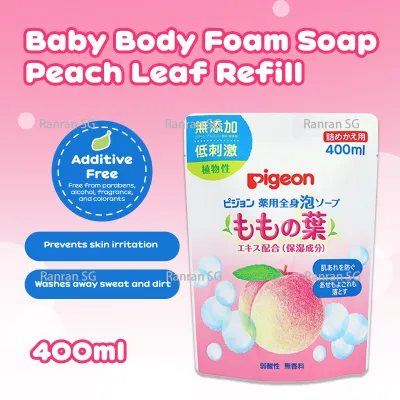
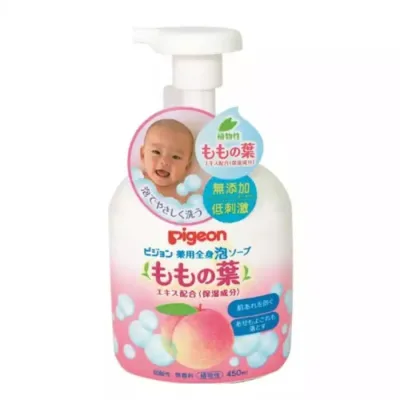
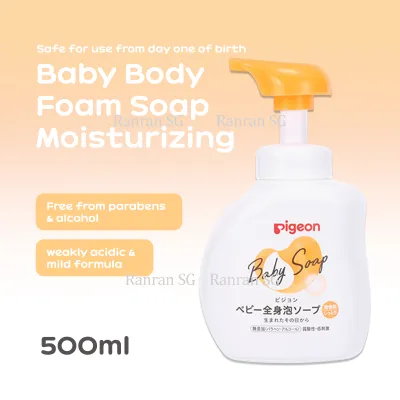
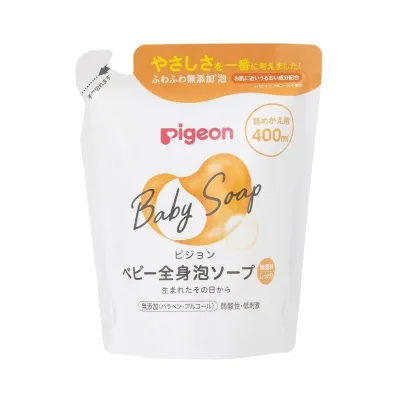
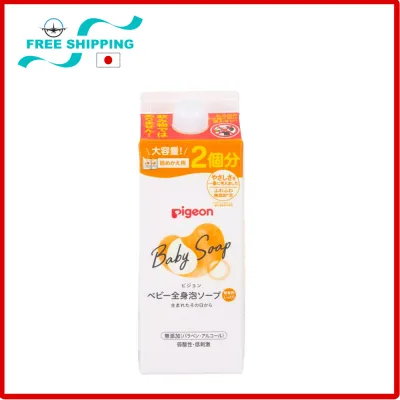
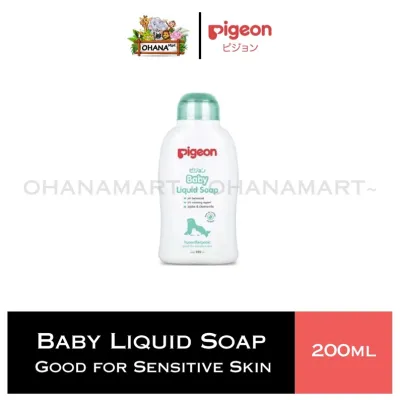
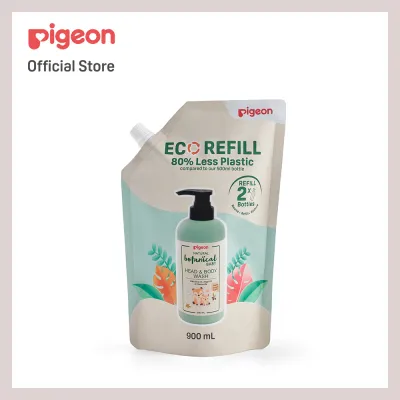
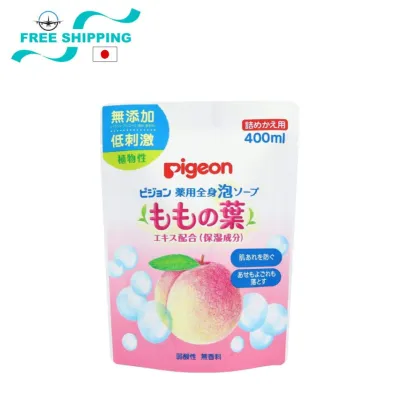
Prices are valid at publication and may change. Please refer to the product page for the latest price.
Under this directive, which Singapore adopts, there is no pre-market testing or approval process conducted by HSA for cosmetics. Instead, the regulatory framework relies on a notification system. Before any baby soap can be sold locally, the importer or local manufacturer must submit a cosmetic product notification to HSA. This notification provides the authority with basic details about the product, its ingredients, and the company responsible for bringing it into the country.
The responsibility for safety lies squarely on the company that notifies HSA. The company must maintain a comprehensive Product Information File. This file contains technical data, safety assessments, formulation details, and evidence of good manufacturing practices. HSA requires this information to be readily available for audit at any time, but the authority does not proactively test the soap before it reaches retail shelves.
To protect consumers, HSA employs a post-market surveillance system. This means the authority monitors the market by conducting random product sampling, auditing company records, and tracking adverse reaction reports from healthcare professionals and the public. If a product is found to contain banned substances, excessive microbial contamination, or if it causes widespread adverse reactions, HSA will issue public alerts, order product recalls, and require the distributor to remove the items from sale immediately.
How to Verify Pigeon Baby Soap Safety and Compliance
Because HSA does not run pre-market laboratory tests on every bottle of baby soap, parents must take an active role in verifying the safety and legitimacy of the products they purchase. The first and most reliable step is to check the product packaging for local distributor details. In Singapore, authorized Pigeon products are typically distributed by an official local entity, and the packaging should display their contact information, address, and clear English labeling.

While the public cannot easily search the complete database of notified cosmetic products on the HSA portal—as this database is primarily for administrative and regulatory use—you can actively monitor the HSA website for safety alerts and product recall lists. HSA regularly publishes updates on cosmetic products that have been found to contain undeclared potent ingredients, harmful chemicals, or high bacterial counts. Checking these public advisories ensures you do not accidentally purchase a batch or product line that has been flagged for safety violations.
Where you buy your baby soap matters just as much as what is on the label. To minimize the risk of purchasing counterfeit goods or parallel imports that have bypassed local regulatory channels, always buy from authorized physical retailers, official brand stores, or established local pharmacies. Parallel imports may be formulated for different regions with different regulatory standards, or they may have been stored in poor conditions during transit, which can degrade the ingredients and compromise safety.
Additionally, inspect the physical packaging of the Pigeon soap before purchase. Legitimate products will feature a clear batch number, an expiration date or a manufacturing date, and a complete, legible list of ingredients. If the packaging looks poorly printed, lacks English instructions, or has been tampered with, it is best to avoid the purchase and contact the official distributor or HSA for clarification.
Key Ingredients to Check on Pigeon Soap Labels
A baby’s skin barrier is significantly thinner and more sensitive than an adult’s, making it highly susceptible to dryness, irritation, and chemical absorption. When evaluating Pigeon baby soap, parents should carefully read the ingredient list to determine if the formulation aligns with their baby’s specific skin needs. Rather than relying on marketing claims, look closely at the actual substances used in the product.
Start by examining the cleansing agents, also known as surfactants. Mild baby soaps often use gentle, plant-derived surfactants such as decyl glucoside, coco-glucoside, or sodium cocoyl glutamate. These ingredients cleanse the skin without stripping away its natural oils. On the other hand, parents of babies with extremely dry skin or eczema may want to avoid products containing harsh sulfates, such as sodium lauryl sulfate (SLS), which can disrupt the skin barrier and cause flare-ups.
Moisturizing and soothing ingredients are also key components of high-quality baby soaps. Look for beneficial additives like glycerin, squalane, ceramides, or natural oils like jojoba oil, which help lock in moisture and support the skin’s natural protective barrier. If your baby has a family history of allergies or sensitive skin, it is generally wise to choose fragrance-free formulations. Synthetic fragrances are among the most common triggers for contact dermatitis in infants.
It is important to recognize that terms like “hypoallergenic,” “dermatologically tested,” or “gentle on skin” are marketing descriptors rather than standardized regulatory certifications. While these labels suggest the manufacturer has taken steps to minimize irritation risks, they do not guarantee that a product will be completely safe for every individual baby. The only way to truly assess compatibility is to review the ingredient list for known personal triggers and perform a controlled patch test at home.
Safe Bathing Practices and When to Stop Using a Product
Introducing any new bathing product to your baby’s routine requires caution, regardless of how reputable the brand is. Before using a new Pigeon soap for a full-body bath, always perform a simple patch test. Apply a very small, diluted amount of the soap to a localized area of your baby’s skin, such as the inner arm or the upper thigh. Wash it off gently after a short period, and monitor the area over the next 24 to 48 hours for any signs of sensitivity.
During actual bath time, safety and supervision are paramount. Never leave your baby unattended in the bath, even for a second, and ensure the water temperature is comfortably warm, not hot. Use the soap sparingly; babies do not require large amounts of cleanser, and overusing even the mildest soap can lead to dry, irritated skin. Focus on areas that accumulate sweat and dirt, and rinse the skin thoroughly with clean water to ensure no soap residue is left behind.
Parents must remain vigilant and monitor their baby’s skin for any adverse reactions. Signs of a negative reaction include localized redness, dry or flaky patches, raised bumps, hives, persistent itching, or swelling. If you observe any of these symptoms during or after a bath, stop using the product immediately.
In the event of a reaction, gently rinse the affected area with cool, clean water to remove any remaining soap residue, and pat the skin dry with a soft towel. Do not apply other scented lotions or home remedies to the irritated skin. If the redness, rash, or discomfort persists for more than a day, worsens, or is accompanied by signs of infection or fever, consult a pediatrician or a qualified dermatologist promptly to obtain an accurate diagnosis and appropriate treatment.
Frequently Asked Questions (FAQ)
Does HSA test every batch of baby soap before it is sold?
No, the Health Sciences Authority (HSA) does not test individual batches of baby soap or any other cosmetic products before they are distributed in Singapore. Under the local regulatory framework, the responsibility for ensuring product safety, quality, and compliance rests entirely with the manufacturer, importer, or local distributor. HSA regulates these products through a notification system and post-market surveillance. This means the authority monitors products once they are already on the market by conducting random audits, testing samples, and investigating adverse reaction reports. Parents should buy from reputable retailers to ensure they are getting products that comply with these post-market standards.
What should I do if my baby develops a rash after using Pigeon soap?
If your baby develops a rash or shows signs of skin irritation after using Pigeon soap, you should stop using the product immediately. Gently rinse your baby’s skin with lukewarm, clean water to remove any lingering soap residue, and gently pat the skin dry with a clean, soft towel. Avoid applying any other new skincare products, perfumed lotions, or self-prescribed creams to the irritated area. Monitor the rash closely; if the irritation does not improve within 24 hours, appears to cause your baby significant discomfort, or is accompanied by swelling, oozing, or a fever, seek professional medical advice from a pediatrician or dermatologist.

Community discussion
Share your experience or ask a question. Comments are reviewed before publication.