
When preparing for a newborn’s arrival, selecting the right laundry care is a primary step in protecting their delicate skin. Parents frequently consider Pigeon detergent as a dedicated option for washing baby garments, swaddles, and bedding. While the brand designs its baby-specific formulas to be gentler than standard household detergents, determining absolute safety requires looking closely at the specific formulation, regional variations, and your individual baby’s skin sensitivity.
Quick Answer: Is Pigeon Detergent Safe for Newborn Skin?
Pigeon detergent is generally safe for most newborns because its formulations typically avoid the aggressive surfactants, heavy synthetic dyes, and intense fragrances found in standard adult laundry products. However, no single detergent can be guaranteed to be entirely risk-free for every infant. A newborn’s skin barrier is exceptionally thin and still developing, making some babies highly sensitive to even mild cleaning agents.
To ensure safety, parents should verify the specific product variant’s ingredient list, as formulations can differ based on whether the product is liquid or powder, and whether it is sourced locally or imported. Ultimately, the most reliable safety test is observing how your baby’s skin reacts to garments washed in the detergent. If your newborn has a history of eczema or extremely reactive skin, starting with a fragrance-free, dermatologically tested formula is the most prudent approach.
Products mentioned in this guide
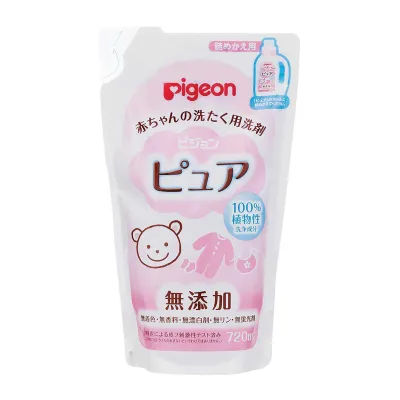
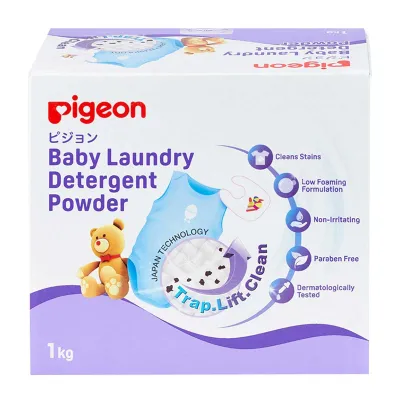
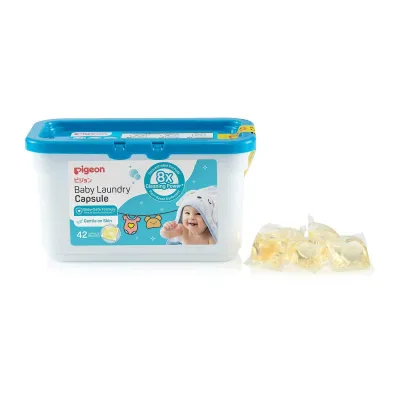
Prices are valid at publication and may change. Please refer to the product page for the latest price.
How to Review Pigeon Detergent Ingredients for Newborns
Understanding how to read the ingredient label on a bottle of Pigeon detergent allows you to make an informed decision before washing your newborn’s wardrobe. Manufacturers adjust formulations for different markets, meaning a bottle purchased from a local Singapore retailer may have slight variations compared to parallel-imported versions. Examining the back label for specific chemical groups helps you identify potential skin sensitizers.

Surfactants and Cleaning Agents Surfactants are the active compounds that lift dirt, milk stains, and oils from fabric fibers. Baby detergents often utilize plant-derived surfactants, such as those derived from coconut or palm oil (like alkyl polyglucosides), which tend to be milder on the skin barrier than harsh synthetic sulfates like Sodium Lauryl Sulfate (SLS). When reviewing the label, check if the surfactants are plant-based, as these generally rinse out more cleanly and leave fewer irritating residues on the fabric.
Fragrances and Perfumes While a fresh, clean scent is appealing, fragrances are among the most common triggers for pediatric contact dermatitis. Some Pigeon detergent variants contain mild fragrances, while others are completely fragrance-free. For a newborn, especially during the first few months when the skin barrier is most vulnerable, choosing a fragrance-free formula is highly recommended. If you select a scented variant, ensure the fragrance compounds do not trigger sneezing, coughing, or skin redness in your baby.
Preservatives and Additives Preservatives are necessary in liquid detergents to prevent the growth of bacteria and mold during storage. However, certain preservatives, such as methylisothiazolinone (MI) or other isothiazolinones, are known contact allergens that can irritate sensitive skin. Parents should check the label to ensure the formulation is free from harsh preservatives, parabens, and formaldehyde-releasing agents.
Optical Brighteners and Dyes Standard adult detergents frequently include optical brighteners—chemical compounds that remain on fabric fibers to reflect light and make clothes appear whiter or brighter. Because these chemicals are designed to stay in the fabric rather than rinse away, they can easily transfer to a newborn’s skin and cause irritation. Baby-specific detergents typically omit optical brighteners and artificial dyes, focusing purely on cleaning performance without cosmetic fabric enhancements.
Recognizing Detergent-Related Skin Irritation in Newborns
A newborn’s skin is up to 30% thinner than adult skin, meaning it absorbs substances more rapidly and loses moisture quickly. This fragile barrier makes infants highly susceptible to irritant contact dermatitis caused by laundry residues. Recognizing the early signs of skin irritation allows you to address the issue before it escalates into a more widespread or painful rash.
Detergent-related irritation typically presents as localized patches of dry, red, rough, or flaking skin. You might also notice your baby becoming unusually fussy or uncomfortable when dressed in freshly washed clothes, or rubbing their skin against blankets. Because these symptoms can mimic other common conditions, it is helpful to look at where the rash occurs.
In Singapore’s warm and humid tropical climate, distinguishing detergent irritation from heat rash (miliaria) or baby acne is essential for proper care. Heat rash typically develops in areas where sweat accumulates, such as the neck folds, armpits, and groin, and looks like tiny, itchy pink bumps. Baby acne usually concentrates on the cheeks, nose, and forehead. In contrast, detergent-related contact dermatitis is more likely to appear on areas of the body in direct, prolonged contact with clothing, such as the torso, thighs, and arms, especially where seams or elastic bands rub against the skin. If you observe persistent skin changes, avoid self-diagnosing and seek professional guidance.
Safe Washing Practices to Minimize Detergent Residue
Even the mildest baby detergent can cause skin irritation if it is not thoroughly rinsed from fabric fibers. Implementing careful laundry habits is just as important as choosing the right product. By optimizing your washing routine, you can minimize the risk of chemical residues coming into contact with your newborn’s skin.
Adhere Strictly to Dosage Guidelines Using more detergent than recommended does not make clothes cleaner; instead, it creates excess suds that cling to fabric fibers and fail to rinse away. Always use the measuring cap provided with your Pigeon detergent and follow the dosage instructions based on your load size. If you are washing a small load of newborn clothes, adjust the amount downward accordingly.
Utilize the Extra Rinse Cycle Most modern washing machines offer an extra rinse or baby care cycle. Activating this feature is highly beneficial when washing newborn laundry, as it provides an additional flush of clean water to wash away any lingering surfactant molecules. This step is particularly important for front-loading machines, which use less water overall and may require an extra rinse to ensure complete residue removal.
Perform a Patch Test on Fabric Before washing your baby’s entire wardrobe with a new detergent, perform a simple fabric patch test. Wash a single, non-essential item—such as a muslin swaddle or a pair of baby socks—using the detergent. Once dry, let your baby wear or use the item for 24 to 48 hours while closely monitoring the skin in direct contact with that fabric. If no redness or irritation occurs, you can proceed to wash the rest of their clothing.
Pre-Treat Stains Safely Newborn clothes frequently suffer from breastmilk, formula, or diaper blowout stains. Rather than pouring highly concentrated, undiluted detergent directly onto the fabric and leaving it there, pre-treat stains by soaking the garments in a diluted solution of warm water and a small amount of baby detergent. Gently agitate the stained area by hand before placing the item into the washing machine for a standard cycle. This ensures the cleaning agents are evenly distributed and thoroughly rinsed out.
When to Stop Use and Consult a Pediatrician
While mild skin reactions can often be managed by adjusting your laundry routine, certain symptoms require immediate action. If you suspect your baby is reacting poorly to their washed clothing, stop using the detergent immediately. Continuing to expose sensitive skin to an active irritant can compromise the skin barrier further and lead to secondary infections.
As an immediate interim step, wash all of your baby’s clothes, bedding, and towels in plain, warm water without any detergent to strip away remaining residues. Gently wipe your baby’s irritated skin with a clean cloth dampened with cool, plain water to soothe the area. Avoid applying heavily fragranced lotions, over-the-counter steroid creams, or home remedies without professional advice.
You should consult a pediatrician or a pediatric dermatologist in Singapore if you observe any of the following red flags:
- A rash that spreads rapidly across multiple areas of the body.
- Skin that appears cracked, bleeding, weeping, or oozing fluid.
- The appearance of blisters or yellow crusting, which may indicate a secondary bacterial infection.
- Severe discomfort, persistent crying, or difficulty sleeping that correlates with skin irritation.
- A skin reaction that does not improve within a few days of stopping the detergent and rinsing the clothes in plain water.
A medical professional can provide an accurate diagnosis, rule out other underlying skin conditions like infantile eczema, and recommend safe, age-appropriate treatments.
Frequently Asked Questions (FAQ)
Should I wash all newborn clothes before the first use?
Yes, you should thoroughly wash all newborn clothes, blankets, swaddles, and reusable diaper covers before they touch your baby’s skin. New garments often retain chemical residues from the manufacturing process, such as sizing agents, starch, and dyes, which keep fabrics looking crisp on retail shelves. Additionally, clothes can accumulate dust, dirt, and bacteria during transit and handling. Washing them first with a mild baby detergent removes these potential irritants, ensuring a clean and soft surface for your newborn.
Can I use regular adult detergent if I double-rinse?
It is generally not recommended to use standard adult detergents for newborn laundry, even with an extra rinse cycle. Adult detergents are formulated to tackle heavy soil, grease, and odors, containing significantly higher concentrations of surfactants, strong synthetic perfumes, and optical brighteners designed to adhere to fabric fibers. These chemical compounds are highly resistant to rinsing and are very likely to remain on the fabric, posing a high risk of irritation to a newborn’s delicate skin barrier. For the first few months, sticking to a dedicated baby detergent is a much safer approach.

Community discussion
Share your experience or ask a question. Comments are reviewed before publication.