
Organic strawberries can be a safe, nutritious, and highly appealing addition to your baby’s diet, provided they are introduced at the right developmental stage and prepared with careful attention to texture. While strawberries are packed with essential nutrients like vitamin C and dietary fiber, they also present specific considerations for parents. These include potential skin irritation from natural fruit acids, choking hazards from firm textures, and the decision of whether to purchase organic or conventional varieties. Understanding how to navigate these factors allows you to introduce this vibrant fruit confidently while prioritizing your baby’s health and comfort.
When to Introduce Strawberries to Your Baby
Determining the right time to introduce strawberries depends primarily on your baby’s individual developmental readiness rather than a specific calendar date. Most pediatric guidelines suggest starting solid foods around six months of age. Before offering strawberries, ensure your baby exhibits key signs of readiness, such as sitting upright with minimal support, maintaining excellent head and neck control, showing active interest in family meals, and losing the tongue-thrust reflex, which naturally pushes solid objects out of the mouth.
It is always wise to consult your pediatrician or local health authority regarding the best timeline for introducing solid foods and potential allergens. While strawberries are not classified among the top highly allergenic foods, early discussions with a healthcare provider help tailor the feeding plan to your child’s unique health profile.
Products mentioned in this guide

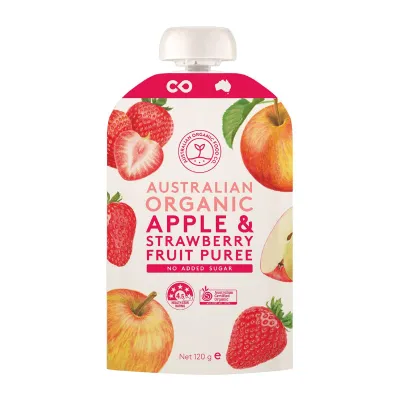
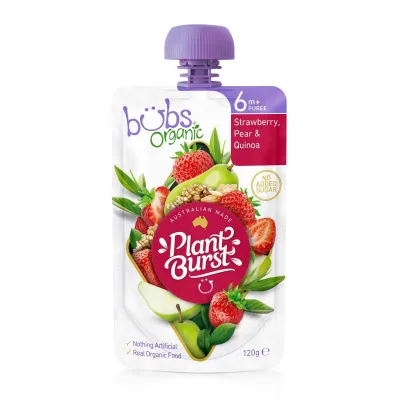
Prices are valid at publication and may change. Please refer to the product page for the latest price.
An organic label indicates how the fruit was grown, but it does not change the physical structure of the fruit or the maturity required for your baby’s digestive system. Whether organic or conventional, strawberries must only be introduced when your baby is physically ready for solids.
Understanding Strawberry Allergy Risks in Infants
When introducing strawberries, parents often worry about potential allergic reactions. It is crucial to distinguish between a true food allergy and a localized skin irritation. Strawberries contain natural acids and histamines that can cause a harmless, temporary red rash around your baby’s mouth where the fruit directly touches the skin. This contact reaction is common, localized, and typically fades shortly after the skin is cleaned.

In contrast, a true systemic food allergy involves the immune system and presents with symptoms that extend beyond the immediate contact area. Watch closely for signs such as raised, itchy hives on various parts of the body, swelling of the lips, tongue, or face, vomiting, diarrhea, or sudden respiratory changes like wheezing, coughing, or difficulty breathing. If your baby has a known family history of eczema, asthma, or other food allergies, you should exercise extra caution and discuss your introduction strategy with a pediatrician beforehand.
An anaphylaxis is a rare but life-threatening allergic reaction that can cause airway constriction, rapid swelling, and a sudden drop in blood pressure. If you observe your baby struggling to breathe, turning pale or blue, or experiencing widespread swelling, stop feeding immediately and seek emergency medical attention.
How to Safely Prepare and Serve Organic Strawberries
Proper preparation is essential to minimize the risk of choking and exposure to environmental contaminants. Even when purchasing organic strawberries, thorough washing is a critical first step. Organic farming avoids synthetic pesticides, but the fruit can still carry soil, natural fertilizers, bacteria, or wild residues from the field. Wash the berries under cool, running water, rubbing the surfaces gently with your fingers. Avoid soaking them in standing water, as strawberries are highly porous and can absorb excess moisture, which dilutes their flavor and compromises their texture.
For infants starting solid foods (around six months), prepare strawberries as a smooth puree or cooked, mashed fruit. As your baby develops a pincer grasp (around eight to ten months), transition to small, soft pieces. Cut ripe strawberries into thin slices or tiny pieces about the size of a blueberry quarter. Never serve whole strawberries or large, firm chunks, as their shape and slippery texture pose a significant choking hazard.
Additionally, always take the time to prepare the fruit properly by removing the green leafy hull, the tough white core, and any unripe or hard sections. Only serve parts of the strawberry that are soft enough to be easily mashed between your thumb and forefinger, ensuring a safe and manageable texture for your baby’s developing mouth. Always supervise your baby closely during all meals to monitor their swallowing and prevent choking. If you are using commercial organic strawberry purees, verify the age recommendations, weight ranges, and manufacturer warnings on the specific product packaging before serving.
The "Organic" Factor: Does It Matter for Baby Food?
Organic strawberries are grown without synthetic pesticides or chemical fertilizers. Because strawberries have thin skins and grow close to the ground, they often carry higher pesticide residues when grown conventionally. Choosing organic can reduce your baby’s exposure to these residues. When shopping, verify the organic certification logos on the packaging to ensure the product meets recognized standards.
However, if organic options are unavailable or do not fit your budget, conventional strawberries remain a highly nutritious choice. Meticulous washing under running water, or even peeling away the outer layer of seeds and skin if practical, can substantially reduce surface residues on conventional produce. Nutritionally, current scientific evidence does not show a significant difference in core vitamins, minerals, or fiber content between organic and conventional strawberries. Both options deliver excellent levels of vitamin C, which supports immune health and iron absorption.
Budgeting is a practical reality of raising a child, and parents should not feel pressured to buy organic if it strains their finances. In local supermarkets, a punnet of organic strawberries may cost several S$ more than conventional ones. If purchasing organic strawberries regularly is not feasible, you can balance your budget by prioritizing organic choices for fruits with the thinnest skins while safely preparing thoroughly washed conventional options, ensuring your baby still receives a diverse and nutrient-rich diet.
Step-by-Step Guide to Introducing Strawberries for the First Time
Introducing strawberries to your baby should be a calm, structured process designed to monitor their physical response safely. Choose a day when your baby is healthy, alert, and in a generally good mood. Avoid introducing new foods when your baby is teething, recovering from an illness, or receiving vaccinations, as these situations can cause fussiness or physical symptoms that might be easily confused with a food reaction. It is also best to offer the new food during a morning or early afternoon feeding, giving you ample daylight hours to observe your baby’s skin and digestion before they go to sleep for the night.
When you are ready to start, introduce strawberries as a single ingredient. Do not mix them with other new foods during the initial trial. Serve a very small amount—such as a single teaspoon of smooth puree—and wait. Follow the standard recommendation of observing your baby for three to five days before introducing any other new ingredients. This waiting period is crucial for isolating the cause of any delayed reactions, such as changes in stool, mild skin rashes, or digestive discomfort.
Maintain a simple food log to record the date, preparation method, amount consumed, and any observations regarding your baby’s skin, mood, and digestion. This log serves as an excellent reference tool to share with your pediatrician if you have any questions.
Frequently Asked Questions (FAQ)
Can babies eat strawberry seeds?
Yes, babies can safely eat strawberry seeds. These tiny seeds typically pass through an infant’s digestive system completely intact without causing discomfort. If your baby is just starting on smooth purees and seems sensitive to textures, you can press the puree through a fine-mesh sieve to remove the seeds. This creates an ultra-smooth consistency that is easier for beginners to swallow, though it is not a medical necessity.
Are frozen organic strawberries safe for babies?
Frozen organic strawberries are a safe, convenient alternative when fresh options are out of season. Freezing preserves most vitamins and minerals. Ensure they are thawed completely in the refrigerator. Because frozen berries can retain firm, icy centers, cook or steam them slightly to ensure a soft texture before blending or mashing. Always check the packaging to verify that no sugars or preservatives have been added.
Why did my baby get a red rash around the mouth after eating strawberries?
A red rash around the mouth after eating strawberries is usually contact dermatitis rather than a true food allergy. The natural acids and histamines in the fruit can irritate sensitive skin upon direct contact. To prevent this, apply a thin layer of a safe barrier ointment, like petroleum jelly, around your baby’s mouth before eating. Gently wipe their face with a damp cloth immediately after the meal. If the rash spreads, develops into hives, or is accompanied by swelling or breathing difficulties, stop serving strawberries and consult a healthcare professional immediately.

Community discussion
Share your experience or ask a question. Comments are reviewed before publication.