
Determining whether NatureLoveMere fabric softener is safe for your newborn’s clothes and sensitive skin requires a careful look at the product’s specific formulation, your baby’s unique skin profile, and established pediatric guidelines. While baby-specific softeners are often formulated to be gentler than standard household alternatives, parents must still verify the ingredient list and manufacturer guidelines. This is especially critical for infants with eczema or highly reactive skin, as even mild additives can trigger flare-ups. Consulting a pediatrician remains the best path for personalized medical advice regarding your baby’s skin health.
Newborn garments come into direct, constant contact with your baby’s delicate skin barrier. Because of this, any chemical residue left behind by laundry products can have a direct impact on their comfort and health. Understanding how to evaluate these products and establish safe laundry habits will help you minimize the risk of irritation while keeping your baby’s clothes clean and comfortable.
Why Newborn and Eczema-Prone Skin Needs Special Laundry Care
An infant’s skin barrier is fundamentally different from that of an adult. During the first year of life, a baby’s skin is significantly thinner, loses moisture more rapidly, and is highly permeable to external substances. This increased permeability means that chemical residues, fragrances, and preservatives remaining on fabric fibers can easily penetrate the skin barrier, leading to irritation, dryness, or allergic reactions.
Products mentioned in this guide
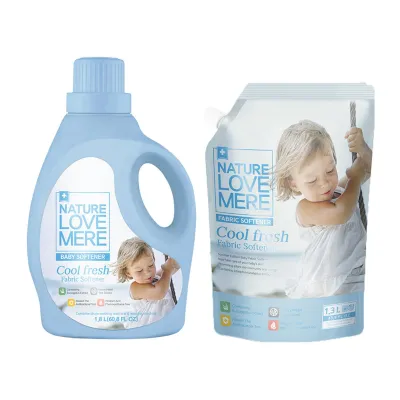
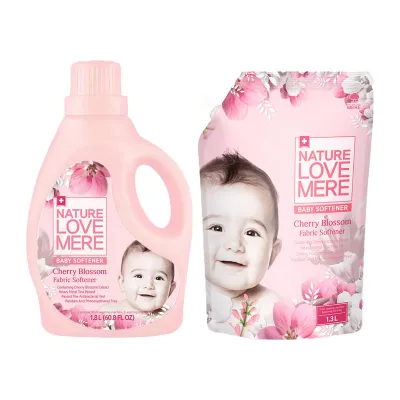
Prices are valid at publication and may change. Please refer to the product page for the latest price.
For babies diagnosed with eczema or atopic dermatitis, this barrier is even more compromised. Eczema-prone skin lacks the necessary lipids to retain moisture and keep irritants out, making it highly susceptible to external triggers. When clothing fibers are coated with harsh chemicals, the friction of the fabric against the skin can exacerbate itching and inflammation, leading to uncomfortable flare-ups.
Because of these vulnerabilities, the general pediatric consensus often discourages the use of traditional fabric softeners for newborns. Softeners work by depositing a thin layer of lubricating chemicals, known as surfactants, onto fabric fibers to make them feel smoother. However, this chemical film remains on the clothing after washing and can act as a continuous source of contact irritation for sensitive skin.
Furthermore, many conventional laundry products contain synthetic fragrances, artificial dyes, and strong preservatives to extend shelf life and provide a pleasant scent. While these additives make laundry smell fresh, they are among the most common triggers for contact dermatitis in infants. Even natural or botanical fragrances can cause adverse reactions in highly sensitive individuals, making a minimalist approach to laundry ingredients the safest choice for young babies.
What to Check on the NatureLoveMere Softener Label
When evaluating NatureLoveMere fabric softener, or any other baby-specific laundry product, your first step should always be a thorough inspection of the ingredient label. Do not rely solely on front-of-package marketing designs. Turn the bottle over and look for a complete list of ingredients to identify any potential sensitizing agents, hidden synthetic fragrances, or artificial colorants.

Many baby products feature prominent claims such as “hypoallergenic,” “dermatologically tested,” or “made with natural ingredients.” While these terms suggest a milder formulation, they are not strictly regulated medical definitions. A “hypoallergenic” label simply means the product is formulated to minimize the risk of allergic reactions, but it does not guarantee that your baby will not react to it. Verifying these claims against the actual ingredient list is essential for true peace of mind.
Look closely at the specific formulation of the NatureLoveMere softener you are considering. Check whether the manufacturer uses plant-derived softening agents instead of petroleum-based surfactants, and verify if the product is completely free from parabens, phenoxyethanol, and synthetic dyes. If the product contains any added scents, determine whether they are derived from synthetic perfumes or natural essential oils, keeping in mind that even essential oils can sometimes irritate highly sensitive skin.
Additionally, review the manufacturer’s packaging for specific age recommendations, usage warnings, and precise dilution instructions. Baby fabric softeners are highly concentrated, and using more than the recommended amount can lead to excessive residue buildup on clothing. Always follow the exact dosage guidelines provided on the label, and consider using slightly less than the recommended amount to further reduce the risk of fabric buildup.
Safe Laundry Habits for Sensitive Baby Skin
Beyond choosing the right products, establishing a safe and consistent laundry routine is crucial for protecting your baby’s sensitive skin. In warm, humid climates like Singapore, where clothes are frequently dried indoors or in enclosed spaces, ensuring that laundry products are thoroughly rinsed out of fabrics is especially important to prevent dampness and chemical buildup.
One of the most effective habits you can adopt is adding an extra rinse cycle to every load of baby laundry. Most modern washing machines offer an “extra rinse” or “baby care” setting that uses additional water to flush out lingering detergent and softener surfactants from the fabric weave. This simple step significantly reduces the amount of chemical residue that remains in contact with your baby’s skin throughout the day.
It is also highly recommended to wash your newborn’s clothes, bedding, and swaddles separately from the rest of the household’s laundry. Adult clothing is often washed with stronger, highly fragranced detergents and may carry outdoor pollutants, perfumes, or cosmetic residues. Washing baby garments in dedicated loads prevents cross-contamination and ensures that only gentle, baby-safe products are introduced to their wardrobe.
If you prefer to avoid fabric softeners entirely but still want to maintain fabric softness, there are several safe, chemical-free alternatives available. Using 100% wool dryer balls in a clothes dryer can naturally soften fabrics and reduce static cling by gently separating and fluffing the garments as they tumble. Alternatively, air-drying clothes in a well-ventilated, breezy outdoor environment can help keep fabrics soft and fresh without the need for chemical additives.
How to Spot Irritation and When to See a Doctor
Even when using products formulated specifically for infants, it is important to monitor your baby’s skin closely for any signs of adverse reactions. Contact dermatitis caused by laundry residues typically presents as localized redness, dry or rough patches, small raised bumps, or a mild rash. These symptoms are most likely to appear in areas where clothing fits snugly or rubs against the skin, such as the neck, wrists, ankles, and diaper area.
To safely introduce a new laundry product like NatureLoveMere softener, perform a localized patch test before washing your baby’s entire wardrobe. Wash a single, non-essential garment—such as a small washcloth or a single sleepsuit—using the softener according to the manufacturer’s instructions. Have your baby wear or use this item for a few hours while closely observing the contact area for any signs of redness, irritation, or increased fussiness.
If your baby shows any signs of skin discomfort, stop using the fabric softener immediately. Remove the affected clothing and wash the baby’s skin gently with lukewarm water and a mild, soap-free cleanser. You should also rewash the garment in plain, hot water without any detergent or softener to strip away any remaining chemical residues before allowing your baby to wear it again.
While mild skin irritation often resolves quickly once the triggering product is removed, certain situations require professional medical attention. Consult a pediatrician or a pediatric dermatologist immediately if the rash spreads rapidly, becomes raw or blistered, shows signs of infection (such as oozing or crusting), or if your baby seems extremely uncomfortable and cannot sleep. A qualified professional can provide an accurate diagnosis and recommend safe, effective treatments to soothe your baby’s skin.
Frequently Asked Questions (FAQ)
Do I really need to use fabric softener on baby clothes?
No, fabric softeners are entirely optional and are not a necessary part of a baby laundry routine. While they can make garments feel softer to the touch, prioritizing your baby’s skin safety and the breathability of their clothing is far more important than fabric texture. Many parents find that using a gentle, fragrance-free baby detergent alone is perfectly sufficient for keeping clothes clean and comfortable.
Can I use fabric softener on cloth diapers or burp cloths?
It is generally recommended to avoid using fabric softeners on cloth diapers, towels, and burp cloths. Softeners work by coating fabric fibers with a thin, lubricating layer, which significantly reduces the material’s ability to absorb moisture. Over time, this buildup can cause cloth diapers to repel liquids rather than absorb them, leading to leaks and potential diaper rash.
What should I do if my baby develops a rash after washing?
If you suspect a laundry product has caused a rash, stop using it immediately. Wash all of your baby’s recently laundered clothes, bedding, and towels in plain water or a verified fragrance-free, sensitive-skin detergent to remove any lingering residues. Keep the baby’s skin clean and dry, and seek a professional medical evaluation from a pediatrician if the rash does not improve within a few days or if it worsens.

Community discussion
Share your experience or ask a question. Comments are reviewed before publication.