
Newborn skin is incredibly delicate, with a barrier that is still developing and highly susceptible to environmental irritants. When a baby has eczema or sensitive skin, every product touching their skin must be carefully evaluated. Nature Loves Mere is marketed as a gentle baby detergent, but no single product is universally guaranteed to be safe for all eczema cases. Eczema is highly individualized, meaning what works for one infant might trigger a flare-up in another. Safety depends on the specific ingredients in the variant you purchase, your baby’s unique skin sensitivities, and how thoroughly the detergent is rinsed from the fabric. Parents must inspect the ingredient label of the exact bottle they buy, as formulations can change, and cross-reference these ingredients with their pediatrician’s advice.
How to Evaluate the Ingredient Label for Eczema Triggers
To evaluate if Nature Loves Mere is suitable for your baby, you must inspect the ingredient label on the packaging. The first step is identifying common eczema triggers to avoid. Synthetic fragrances are a leading cause of contact dermatitis. Even if a product is labeled “mildly scented,” these fragrances can irritate compromised skin. Essential oils, though natural, contain volatile compounds that frequently trigger allergic reactions in sensitive infants.
Next, check for harsh preservatives and optical brighteners. Preservatives prevent bacterial growth in liquid detergents, but some, like methylisothiazolinone (MIT) or formaldehyde-releasing agents, are highly irritating. Optical brighteners are chemical agents designed to remain on fabric to reflect light and make clothes look whiter. For a newborn with eczema, these lingering chemicals can rub off onto the skin, causing friction and chemical irritation.
Products mentioned in this guide
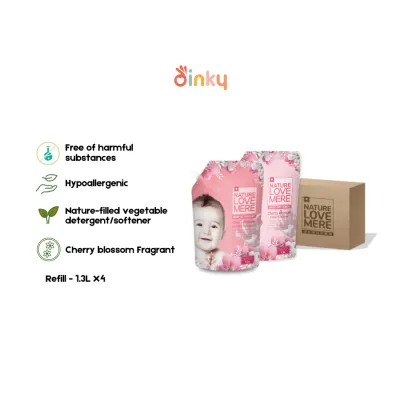
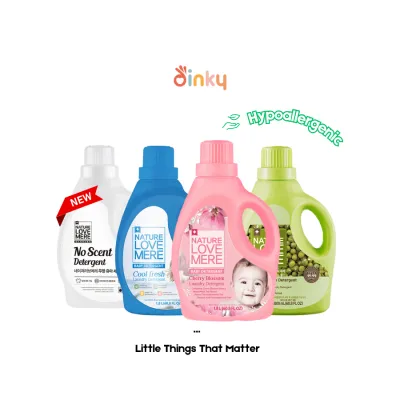
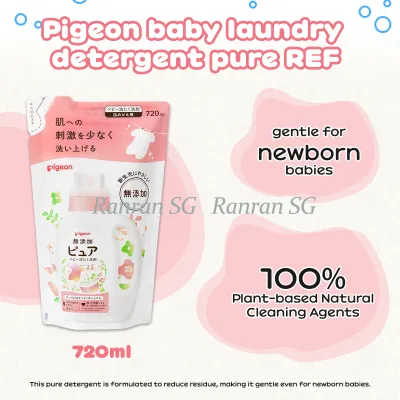
Prices are valid at publication and may change. Please refer to the product page for the latest price.
When evaluating the cleaning agents, look at the surfactants. Traditional detergents often rely on harsh sulfates like sodium lauryl sulfate (SLS), which strip moisture from both the fabric and the skin. Gentler baby detergents typically utilize plant-based surfactants derived from coconut or corn, such as coco-glucoside or decyl glucoside. While these plant-derived options are generally much milder, they must still be thoroughly rinsed out.
Finally, do not rely solely on marketing claims like “dermatologically tested” or “hypoallergenic.” These terms are often self-certified by brands. To verify these claims, look for independent certifications on the packaging, such as seals from recognized dermatological institutes or allergy associations. You can verify these certifications by visiting the official websites of the certifying bodies to confirm that the product has met their stringent standards for sensitive skin.
Washing and Rinsing Practices for a Tropical Climate
The climate in Singapore plays a significant role in how laundry detergent residues affect a baby’s skin. With high temperatures and relative humidity levels frequently exceeding 80 percent, babies sweat constantly. This sweat accumulates in delicate skin folds, such as the neck, elbows, and behind the knees, where eczema flare-ups are most common.

When a baby sweats, any detergent residue left in their clothing fibers dissolves into the moisture. This creates an alkaline solution that sits directly against the skin. The combination of friction from the fabric, constant moisture, and dissolved detergent chemicals can rapidly break down the skin barrier, leading to irritation and eczema flare-ups.
To mitigate this risk, your washing practices must be meticulous. Modern high-efficiency washing machines use very little water, which can leave detergent residues on clothes. Always select an “extra rinse” or “deep rinse” cycle when washing baby clothes. Additionally, avoid overloading your washing machine. When the drum is packed too tightly, clothes cannot agitate freely, preventing water from flushing out the soap effectively.
Drying practices are equally crucial in a tropical environment. High humidity makes indoor line-drying slow. If clothes remain damp for too long, they can become breeding grounds for mold and dust mites, which are potent allergens that exacerbate eczema. If you dry clothes indoors, ensure the room is well-ventilated, or use a dehumidifier. Alternatively, using a clothes dryer on a low-heat setting can help ensure garments are completely dry and free from environmental allergens before they touch your baby’s skin.
How to Safely Introduce the Detergent with a Patch Test
Before washing your newborn’s entire wardrobe in Nature Loves Mere, it is highly recommended to perform a controlled patch test. This simple process allows you to observe how your baby’s skin reacts to the detergent on a small scale, minimizing the risk of a full-body reaction.
To conduct a patch test, select a small, clean item of clothing that will have direct contact with your baby’s skin, such as a muslin square, a bib, or a single cotton bodysuit. Wash this item separately using the Nature Loves Mere detergent. Follow the manufacturer’s dosage instructions precisely, and do not add any other laundry products, such as fabric softeners or stain removes, as these will confound the results.
Once the item is thoroughly washed, rinsed, and completely dried, place it against your baby’s skin. For a muslin square, you can gently drape it over their arm or leg during supervised awake time, or have them wear the washed bodysuit. Monitor the skin area closely over a period of 24 to 48 hours.
During this observation period, look for visual signs of irritation, including localized redness, small raised bumps, dry or rough patches, or flaking skin. Additionally, pay close attention to your baby’s behavior. If they seem unusually fussy, try to rub the area against their bedding, or attempt to scratch the skin, it may indicate itching and discomfort.
It is vital to isolate this test by introducing only one new variable at a time. Do not start using a new baby lotion, body wash, or food during the patch test period. If a reaction occurs, you will know with confidence that the laundry detergent residue was the likely trigger. If the skin remains completely clear and calm after 48 hours, you can gradually begin using the detergent for the rest of their laundry.
When to Stop Using the Detergent and Seek Medical Help
Even with careful preparation, some babies may still experience adverse reactions. It is crucial to know when to stop using the detergent immediately and when to seek professional medical intervention.
Immediate red flags that require you to discontinue the detergent include the sudden appearance of hives, weeping or oozing skin, raw patches, or severe distress and crying shortly after putting on freshly washed clothes. If you notice your baby’s eczema worsening—with patches becoming redder, angrier, or spreading to new areas of the body—stop using the product right away.
If a reaction occurs, immediately strip the baby’s clothing and bedding. Re-wash all of these items in plain, hot water or a previously tolerated, dermatologist-approved detergent to remove any lingering residues. Revert to your previous, safe laundry routine until the skin has fully healed.
Remember that laundry detergent is only one of many potential factors in managing infant eczema. If your baby’s skin condition does not improve after removing the detergent, or if you notice signs of a secondary skin infection—such as yellow crusting, pus, or skin that feels hot to the touch—consult a pediatrician or a pediatric dermatologist immediately. A qualified medical professional can evaluate the skin, provide an accurate diagnosis, and prescribe targeted treatments like specialized emollients or mild topical therapies to restore your baby’s skin barrier.
Frequently Asked Questions (FAQ)
Do I need to wash new baby clothes before the first use?
Yes, washing new baby clothes before your newborn wears them is highly recommended. During the manufacturing and shipping processes, fabrics are often treated with chemical sizing agents, starches, flame retardants, and anti-mildew sprays to keep them looking pristine and prevent damage. Additionally, clothes accumulate dust, dirt, and bacteria while sitting in warehouses and retail displays. These chemical residues and environmental allergens can easily irritate a newborn’s highly sensitive skin and trigger eczema flare-ups. Always wash new garments, bedding, and reusable diapers in a gentle, baby-safe detergent and run an extra rinse cycle before the first wear.
Can I mix baby detergent with regular family detergent?
You should avoid mixing baby detergent with regular family detergent in the same wash load. Standard adult detergents are formulated to tackle heavy stains and often contain strong synthetic fragrances, optical brighteners, fabric softeners, and harsh surfactants. Mixing the two formulas dilutes the benefits of the gentle baby detergent and exposes your newborn’s clothes to these irritating chemicals. For the best results, wash your baby’s laundry in separate loads. If you share a washing machine for the entire household, consider running a quick rinse or self-clean cycle between adult and baby loads to flush out any residual adult detergent left in the drum or dispenser.
Does using more detergent make clothes cleaner for eczema?
No, using more detergent does not make clothes cleaner, and it can actually be highly detrimental to babies with eczema. When you exceed the recommended dosage, the washing machine cannot rinse away the excess soap effectively. This leaves a heavy layer of detergent residue trapped deep within the fabric fibers. As the clothes dry, they become stiff and scratchy, which increases friction against your baby’s skin. Furthermore, when the baby sweats, this trapped residue dissolves and irritates the skin barrier. Always follow the manufacturer’s dosage instructions carefully, and consider using slightly less than recommended for small or lightly soiled loads.

Community discussion
Share your experience or ask a question. Comments are reviewed before publication.