
Evaluating Nature Love Mere for Newborn Safety
When welcoming a newborn home, every choice—from the swaddles they wear to the detergent used to wash them—requires careful consideration. Nature Love Mere, a popular baby care brand, offers a range of laundry detergents designed specifically for infants. However, determining whether a specific bottle is safe for your newborn depends on a careful evaluation of its exact formulation, as baby skin is exceptionally thin, delicate, and highly susceptible to chemical irritation.
To assess safety, parents must look beyond the brand name and inspect the physical product label. It is essential to verify whether the specific variant you choose is formulated to be hypoallergenic, free from synthetic fragrances, and dermatologically tested. Because newborn skin barriers are still developing, any potential allergen can trigger contact dermatitis or dry patches. If your baby has a family history of sensitive skin, active eczema, or known allergies, always consult a pediatrician before introducing a new laundry product to their clothing and bedding.
How to Read the Nature Love Mere Ingredient Label
Understanding the ingredient list on a detergent bottle allows you to make an informed decision rather than relying solely on marketing claims. When examining a bottle of Nature Love Mere, the ingredients can generally be categorized into several functional groups, each playing a specific role in the washing process.
Products mentioned in this guide
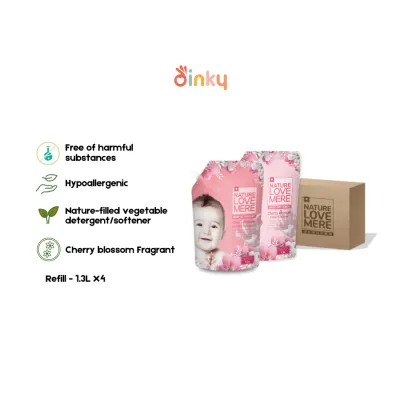
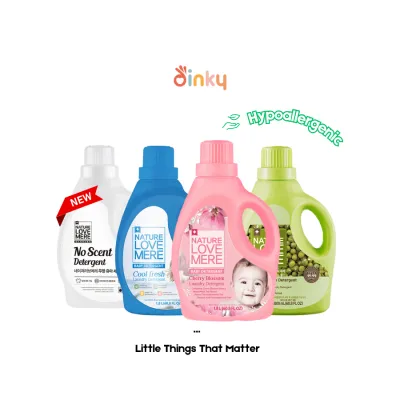
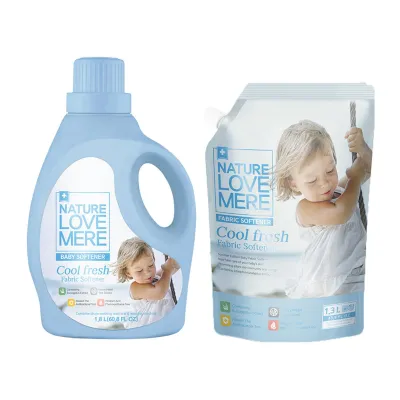
Prices are valid at publication and may change. Please refer to the product page for the latest price.

Surfactants and Cleaning Agents
Surfactants, or surface-active agents, are the primary ingredients responsible for breaking up oils, lifting dirt, and suspending soil in water so it can be washed away. In gentle baby detergents, manufacturers often utilize plant-derived surfactants, such as those sourced from coconut or corn (for example, coco-glucoside or alkyl polyglucosides). While these plant-based alternatives are typically much milder than harsh synthetic surfactants like sodium lauryl sulfate (SLS) or sodium laureth sulfate (SLES), you should still verify the specific surfactant listed on your bottle. Ensure that the formula avoids aggressive cleaning agents that can strip the natural lipids from your newborn’s skin barrier.
Enzymes and Stain Removal
Many baby detergents incorporate biological enzymes—such as protease to break down milk proteins, lipase for fats, and amylase for starches—to target stubborn spit-up and diaper leaks. While enzymes are highly effective at stain removal, they can sometimes leave microscopic residues on fabric fibers. For some newborns with extremely sensitive or reactive skin, these residual enzymes can act as mild irritants. When reading the Nature Love Mere label, check if the variant contains active enzymes. If your newborn shows signs of skin redness or irritation, switching to an enzyme-free formula during the first few months may help eliminate this potential trigger.
Preservatives and Stabilizers
Because liquid detergents contain water, they require preservatives to prevent the growth of harmful bacteria, mold, and yeast over time. This is particularly important in warm, humid climates like Singapore, where storage conditions can accelerate microbial growth. However, traditional preservatives such as parabens, phenoxyethanol, and methylisothiazolinone (MIT) are known sensitizers that should be avoided in newborn products. Inspect the ingredient list to verify that the preservatives used are mild, food-grade, or explicitly certified as safe for infant use.
Fragrances and Dyes
Artificial dyes and synthetic fragrances are among the most common causes of cosmetic-induced skin irritation and respiratory sensitivities in infants. Dyes serve no functional purpose in cleaning clothes and are purely aesthetic. Fragrances, even those derived from natural essential oils like lavender or eucalyptus, contain volatile organic compounds that can irritate a newborn’s delicate airways and skin. When evaluating Nature Love Mere, look for variants that are completely fragrance-free and dye-free. If a variant uses natural extracts, verify that your baby does not show sensitivity to those specific botanical ingredients.
Key Safety Criteria for Newborn Laundry Detergents
To establish a reliable safety standard for your baby’s laundry, you can evaluate any detergent against a set of core criteria designed to protect delicate infant skin.
pH Balance and Skin Barrier Protection
A newborn’s skin has a natural pH of approximately 5.5, which helps maintain the “acid mantle”—a thin, protective barrier against bacteria and environmental moisture loss. Standard adult detergents are often highly alkaline, which can disrupt this delicate pH balance and lead to severe dryness or irritation. A safe newborn detergent should ideally be neutral or slightly acidic (ranging from pH 6 to 7). You can verify the pH claims of Nature Love Mere by checking the manufacturer’s official product specifications or product labels before purchasing.
Rinsability and Residue Prevention
The safety of a detergent is not just about what goes into the wash, but what stays on the clothes. High rinsability means the detergent is formulated to dissolve completely and wash out of the fabric fibers during the rinse cycle. Ingredients designed to linger on fabrics, such as optical brighteners (which make whites look brighter by absorbing UV light) and fabric softeners, can remain in constant contact with your baby’s skin, leading to friction and contact dermatitis. Ensure the detergent you choose is free from optical brighteners and formulated for clean rinsing.
Certifications and Testing Marks
Because chemical names can be difficult to decipher, third-party certifications provide an objective measure of safety. Look for recognized testing seals on the Nature Love Mere packaging. These may include dermatological safety marks from independent institutes (such as Germany’s Dermatest), hypoallergenic certifications, or local eco-labels. Keep in mind that certifications can change based on product reformulations or regional batches, so it is always best to verify the active seals printed on the physical bottle you have in hand.
Step-by-Step Patch Testing Protocol
Even if a detergent meets all safety criteria on paper, every baby’s skin is unique. Performing a patch test is a practical way to ensure compatibility before washing your newborn’s entire wardrobe.
- Select a test item: Choose a single, small cotton item that comes into direct contact with the baby's skin, such as a washcloth or a mitten.
- Wash individually: Wash this item separately using the recommended dose of the detergent.
- Ensure a thorough rinse: Run an extra rinse cycle to ensure no excess soap remains.
- Monitor skin contact: Have your baby wear or use the item for several hours.
- Observe closely: Check the contact area over the next 24 hours for any signs of redness, dry patches, tiny bumps, or itching. If any reaction occurs, discontinue use immediately and consult a healthcare professional.
Washing and Rinsing Practices to Minimize Residue
Even the mildest, safest detergent can cause skin issues if used incorrectly. Adopting proper laundry habits is just as important as choosing the right product.
Dosage Guidelines and Over-Sudsing
Using more detergent than recommended does not result in cleaner clothes; instead, it creates excess suds that trap dirt and redeposit it onto the fabric. Furthermore, excess soap is incredibly difficult for washing machines to rinse out completely. Always use the measuring cap provided and strictly follow the manufacturer’s dosage guidelines based on your load size. This is especially critical in modern high-efficiency (HE) washing machines, which use less water and require precise detergent measurements to prevent residue buildup.
Water Temperature and Fabric Care
Always consult the fabric care labels on your baby’s clothing before washing. While warm water (between 30°C and 40°C) can help dissolve detergents more effectively and break down milk fats, some delicate organic cotton garments may require cold water to prevent shrinkage and fiber damage. Ensure the water temperature you select is compatible with both the fabric and the detergent’s instructions to achieve an optimal, residue-free clean.
The Role of Extra Rinse Cycles
To maximize safety for newborn laundry, make it a habit to program an extra rinse cycle on your washing machine. This additional cycle helps flush out any lingering surfactant or enzyme molecules that might have clung to the fabric fibers during the main wash. This simple step provides peace of mind, ensuring that only clean, chemical-free cotton touches your baby’s skin.
Separation Strategy for Baby Laundry
Keep your newborn’s laundry completely separate from the rest of the household’s wash. Adult clothing is often exposed to stronger detergents, heavy fabric softeners, and chemical stain removers that contain intense fragrances and optical brighteners. Washing baby clothes alongside adult garments can lead to cross-contamination, where harsh chemical residues transfer onto the baby’s sensitive items during the wash cycle.
Frequently Asked Questions (FAQ)
Can I use Nature Love Mere for babies with eczema?
If your baby has eczema-prone skin, you must exercise extra caution. Eczema compromises the skin barrier, making it highly reactive to external irritants. If you choose to use Nature Love Mere, ensure you select their fragrance-free, dye-free, and hypoallergenic variant. Check the packaging for specific eczema-friendly certifications or dermatologist-tested seals. Because eczema triggers are highly individual, always consult a pediatric dermatologist before introducing any new laundry product during an active flare-up.
Do I need to wash new baby clothes before the first use?
Yes, you should always wash new baby clothes, blankets, and fabric toys before they touch your newborn’s skin. New garments frequently carry chemical residues from the manufacturing process, including sizing agents, starches, flame retardants, and dust accumulated during shipping and storage. A gentle wash with a baby-specific detergent helps strip away these potential irritants.
- Check fabric care labels: Verify the recommended washing instructions for each garment.
- Use a gentle cycle: Protect delicate baby items from excessive wear and tear.
- Run an extra rinse: Ensure all manufacturing chemicals and detergent residues are completely flushed out before use.

Community discussion
Share your experience or ask a question. Comments are reviewed before publication.