
When preparing for a newborn’s arrival, selecting a laundry detergent is one of the most critical decisions parents make. Lovemere detergent is a popular option among families in Singapore, but whether it is entirely safe for your newborn or a baby with sensitive skin depends heavily on the specific product formulation you select and your baby’s individual skin tolerance.
No single laundry product can be guaranteed to be 100% safe or hypoallergenic for every infant. While many baby-specific detergents are formulated to be gentler than standard adult formulas, terms like “baby-safe” are not strictly regulated by universal standards.
To determine if a specific bottle of Lovemere detergent is suitable for your child, you must look closely at its exact ingredient list and check the manufacturer’s product documentation. Some variants may contain fragrances or plant-derived compounds that, while natural, can still trigger contact dermatitis or worsen eczema in highly sensitive skin. Parents must verify the absence of known harsh chemicals on the specific bottle they purchase and monitor their baby closely for any signs of skin irritation.
Products mentioned in this guide
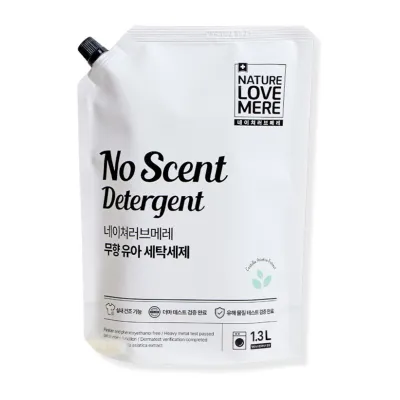
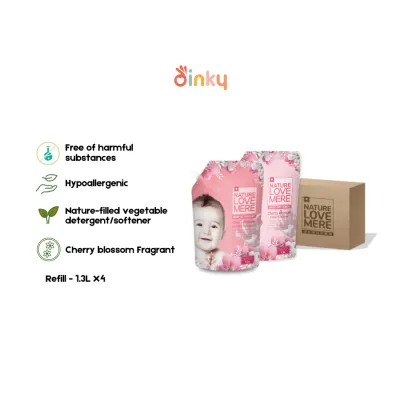
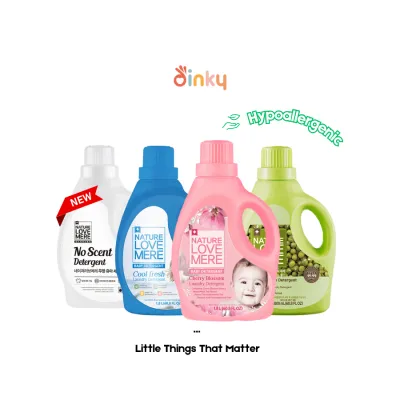
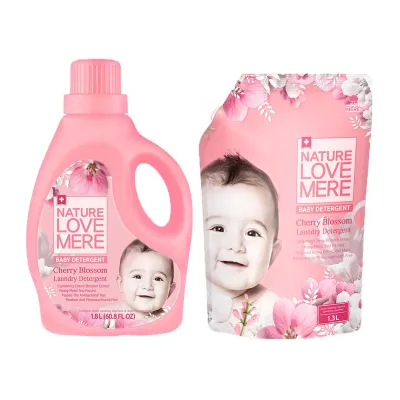
Prices are valid at publication and may change. Please refer to the product page for the latest price.
How to Check Lovemere Detergent Ingredients for Sensitive Skin and Eczema
Newborn skin is up to 30% thinner than adult skin, making it highly permeable and susceptible to absorbing chemical residues left on clothing. For infants diagnosed with eczema or those with naturally dry, sensitive skin barriers, even a trace amount of a harsh surfactant or synthetic fragrance can trigger a painful flare-up.
To safeguard your infant’s skin, you should develop the habit of reading the ingredient deck on the back of the package rather than relying solely on front-of-pack marketing claims. Formulations can change over time, and different product lines under the same brand may use entirely different chemical bases. Always check the specific packaging and manufacturer warnings for the most current ingredient information.
Ingredients to Look For (Gentle Cleansing Agents)
When reviewing a detergent’s formula, look for mild, plant-derived surfactants that clean fabrics effectively without stripping the skin’s natural lipid barrier. Common examples of these gentle cleansing agents include decyl glucoside, coco-glucoside, and lauryl glucoside.
These glucoside-based surfactants are derived from natural sources such as coconut or corn and are widely recognized as being far less irritating than traditional synthetic detergents. When checking Lovemere labels, look for these or similar mild, non-ionic surfactants. Their presence indicates that the formula relies on gentle soil-removal mechanisms rather than aggressive chemical stripping.
Potential Irritants to Avoid or Verify
Conversely, there are several chemical classes you should actively avoid or verify when evaluating any baby laundry detergent.
- Optical Brighteners: These are chemical compounds added to detergents to make fabrics appear whiter and brighter by absorbing ultraviolet light and emitting blue light. They do not actually clean the clothes; instead, they are designed to remain in the fabric fibers after rinsing. This persistent chemical residue can rub off on your baby's skin, causing mechanical friction and chemical irritation that frequently triggers eczema flares.
- Synthetic Fragrances and Dyes: Artificial colors and perfumes are among the leading causes of cosmetic contact dermatitis. Even if a product claims to have a "clean" or "baby-fresh" scent, those aromatic compounds are highly volatile and can easily compromise a newborn's delicate respiratory and skin barriers.
- Harsh Preservatives: Many liquid detergents require preservatives to prevent bacterial and fungal growth. However, certain preservatives, such as methylisothiazolinone (MI) and methylchloroisothiazolinone (MCI), are known contact allergens. Check the label carefully to ensure these are not present.
When purchasing Lovemere detergent, check if the specific bottle is labeled “Free & Clear,” “Fragrance-Free,” or “Dye-Free.” It is crucial to understand the difference between “unscented” and “fragrance-free.” An unscented product may still contain chemical masking agents used to neutralize the natural smell of the raw ingredients, which can still irritate sensitive skin. A truly fragrance-free product contains no added scent chemicals or masking agents whatsoever.
Decoding Baby Detergent Labels: What Certifications Actually Mean
The baby care aisle is filled with reassuring labels, but understanding what these terms actually mean is vital for making an informed decision.

- Hypoallergenic: This term simply means that the product is formulated with ingredients that are less likely to cause allergic reactions compared to standard products. However, there is no official government standard or regulatory definition for "hypoallergenic." A manufacturer can label a detergent as hypoallergenic based on their internal testing, which may not align with clinical dermatological standards.
- Dermatologically Tested: This label indicates that the product was tested on human skin at some point during its development, usually under the supervision of a dermatologist. It does not disclose how many people were in the test group, whether they had sensitive skin or eczema, or what the specific results were. It is not a guarantee that your baby will not react to the product.
- Pediatrician Approved: Similar to dermatological testing, this phrase often means a small panel of pediatricians reviewed the ingredient list or a study report and agreed the product is generally safe. It is not a formal certification from a recognized medical association.
To gain true peace of mind, look for independent, third-party certifications. Organizations like the National Eczema Association (NEA) or equivalent international dermatological bodies award seals of acceptance only after rigorous, independent scientific reviews of a product’s formulation. Check the Lovemere packaging to see if it carries any verified, independent third-party endorsements.
Additionally, pay close attention to the manufacturer’s rinse instructions. No matter how gentle or certified a detergent formula claims to be, any soap residue left behind in fabric fibers can cause physical friction and skin irritation. A clean rinse is just as important as a clean ingredient list.
How to Safely Introduce Lovemere Detergent to Your Baby’s Routine
Introducing a new detergent to your baby’s environment should be done systematically to isolate variables and prevent widespread skin reactions.
The Patch Test Method for Laundry
Before washing your baby’s entire wardrobe, bedding, and cloth diapers in a new detergent, perform a controlled laundry patch test.
To conduct this test, select a single small item that comes into direct, continuous contact with your baby’s skin, such as a cotton onesie or a muslin swaddle blanket. Wash this item separately using the recommended dose of Lovemere detergent. Once dried, dress your baby in the garment or place the swaddle against their skin. Observe the contact area closely over the next 24 to 48 hours. Look for any localized redness, dry patches, or signs of itching. If your baby’s skin remains clear, you can proceed to wash the rest of their laundry with the detergent.
Proper Dosing and Rinsing Techniques
One of the most common mistakes parents make is over-pouring detergent, believing that more soap equals cleaner clothes. In reality, excess detergent is difficult to rinse out, leaving a soapy residue trapped within the fabric fibers.
Always refer to the dosing instructions on the Lovemere bottle and use the minimum recommended amount for your load size. If you are using a high-efficiency (HE) washing machine, you will typically need far less detergent than the cap suggests. To further minimize the risk of skin irritation, configure your washing machine to run an extra rinse cycle. This ensures that any lingering surfactant molecules are thoroughly flushed out of the fabrics before they touch your baby’s skin.
Washing Newborn Items vs. Regular Household Laundry
Parents often wonder whether they need to separate their baby’s laundry from the rest of the household’s clothes. During the newborn stage, it is highly recommended to wash your infant’s clothes, sheets, and towels separately.
Furthermore, consider the clothes you wear. Your baby spends hours resting their face against your shirts and pajamas while being held, fed, or burped. If your own clothes are washed in harsh, heavily scented adult detergents, your baby can still experience contact dermatitis from resting against you. To prevent this, consider washing the entire household’s clothing in a gentle, fragrance-free detergent, or at least wash your own frequently worn shirts using the same mild detergent you use for your newborn.
Spotting Detergent Irritation and When to Stop Using It
Despite your best precautions, your baby may still develop a skin reaction. Recognizing the signs of detergent-induced contact dermatitis early allows you to take swift action.
- Detergent Irritation: Typically presents as localized redness, dry or scaly patches, and intense itching. These symptoms usually appear on areas of the body where clothing fits snugly or rubs against the skin, such as the wrists, ankles, thighs, and collarbone area. If your baby has pre-existing eczema, a detergent reaction will often cause these patches to become significantly redder, rougher, and more inflamed.
- Heat Rash: This typically appears as tiny, red bumps in skin folds, such as the neck, armpits, and groin, where sweat becomes trapped.
- Diaper Rash: This is confined strictly to the diaper-wearing area and is caused by prolonged exposure to moisture and acidity, rather than laundry residue.
- Infantile Acne: This usually appears on the face and cheeks during the first few weeks of life and is driven by maternal hormones, not external irritants.
If you suspect that Lovemere detergent is causing a skin reaction, implement the following action plan immediately:
- Stop Using the Detergent: Cease using the product for all baby items and any household items the baby contacts.
- Re-Wash Affected Items: Re-wash your baby's clothes and bedding in plain water or a previously tolerated, fragrance-free detergent to strip out any remaining residue.
- Monitor and Consult: If the skin irritation does not improve within a few days, spreads to other areas, or shows signs of infection (such as oozing, crusting, or extreme tenderness), consult a pediatrician or a qualified dermatologist immediately. This guide is for informational purposes only and does not replace professional medical diagnosis or treatment.
Frequently Asked Questions (FAQ)
Can I use Lovemere detergent for the whole family's clothes?
Yes, you can safely use Lovemere detergent for the entire family’s laundry. It is an excellent option if adult family members also suffer from sensitive skin, eczema, or contact allergies. However, keep in mind that gentle baby detergents are formulated without the aggressive enzymes and chemical stain-removers found in standard adult detergents. As a result, it may be less effective at removing heavy grease, sweat odors, or tough outdoor stains from adult clothing. You may need to pre-treat stubborn stains on adult garments before washing them with a mild formula.
Do I need to use a fabric softener with Lovemere for baby clothes?
No, you should avoid using standard liquid fabric softeners or dryer sheets on baby clothes. These products work by leaving a thin chemical film over the fabric fibers to make them feel softer. This chemical coating is heavily fragranced and is a common trigger for skin irritation and eczema flare-ups. Furthermore, fabric softeners can significantly reduce the flame-retardant properties of baby sleepwear and decrease the absorbency of cloth diapers and towels. If you want to soften your baby’s clothes naturally, use 100% wool dryer balls in your dryer instead.
How long should I use baby detergent for my child?
There is no strict age limit or mandatory timeline for using baby-specific detergent. The transition to standard household detergent depends entirely on your child’s skin sensitivity. Many parents choose to use gentle, fragrance-free formulas until their child is at least one to two years old, as the skin barrier matures significantly during this period. If your child has chronic eczema or highly sensitive skin, you may choose to use a mild, sensitive-skin detergent indefinitely to prevent unnecessary flare-ups.

Community discussion
Share your experience or ask a question. Comments are reviewed before publication.