
Highly purified, medical-grade lanolin nipple cream is widely considered safe for babies to ingest in tiny amounts during breastfeeding, provided you choose a product specifically refined for nursing mothers. Because newborns have highly sensitive systems, any substance applied to the breast must be selected with care. Ensuring the cream is free from harmful additives, environmental pollutants, and common allergens is the first step toward protecting both your skin and your baby’s health.
In warm and humid climates like Singapore, managing nipple health requires a careful balance. High humidity can trap moisture on the skin, making it essential to understand how to apply barrier creams without creating an environment prone to bacterial or fungal growth. By learning how to select the right product, apply it sparingly, and monitor for any signs of sensitivity, you can confidently navigate early breastfeeding challenges.
How to Choose a Safe Lanolin Product for Nursing
When shopping for nipple creams at local pharmacies or online marketplaces, the purity of the lanolin is your primary safety consideration. Standard lanolin used in general cosmetics or industrial applications may contain trace residues of pesticides, detergents, or wool alcohols that are unsafe for infant consumption. To protect your baby, look for products explicitly labeled as highly purified, medical-grade, or HPA (highly purified anhydrous) lanolin.
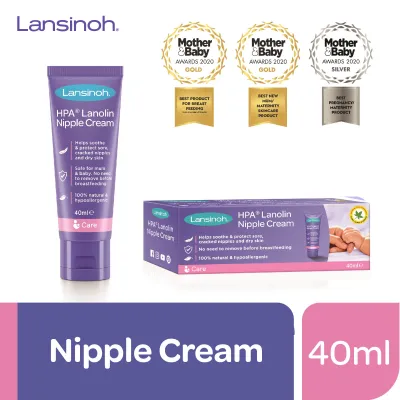
Products mentioned in this guide
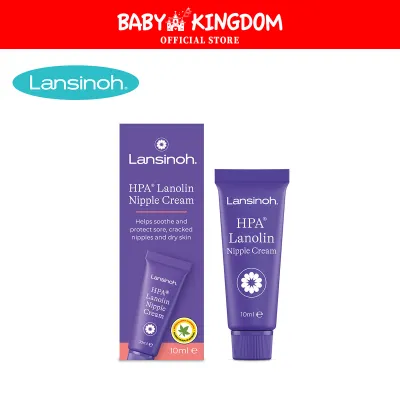
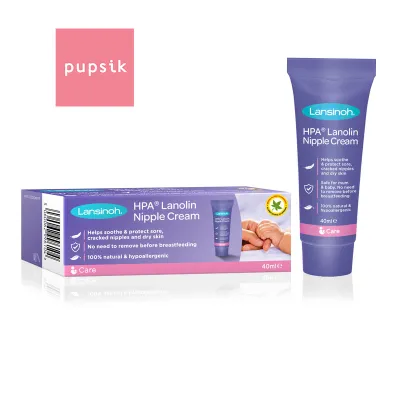
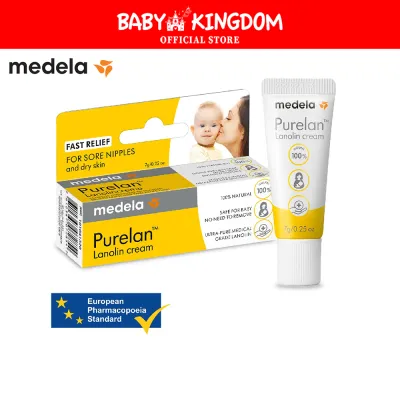
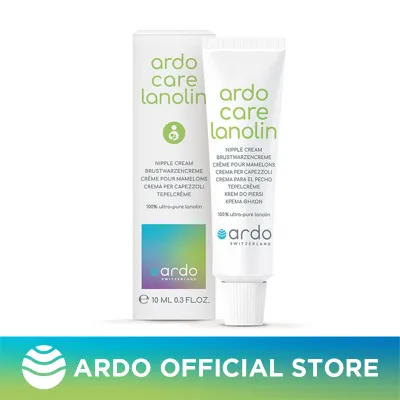
![[2 Sizes] Lansinoh HPA Lanolin Nipple Cream - 10ml / 40ml | lasinoh nipple cream / lanolin nipple cream / lanolin / lanolin cream / nipple care cream / nipple cream](https://img.lazcdn.com/g/p/c164efb444d80d09a2e5cbfd977393c7.jpg_400x400q80.jpg_.webp)
![[03/2029] Healthy Care Lanolin with Sheep Placenta 100g x 2pcs - Australia Made 100% Authentic - Moisturizes nourishes and protects the skin - Combined with Sheep Placenta Extract and Vitamin E - Unique cream for all skin types](https://img.lazcdn.com/g/p/889ec21cab4beed01cdc2e2f9193ccd1.jpg_400x400q80.jpg_.webp)
Prices are valid at publication and may change. Please refer to the product page for the latest price.
These specialized refining processes are designed to filter out potential irritants and environmental contaminants. Before purchasing, verify the manufacturer’s packaging for statements confirming that the product has been filtered to remove pesticides and impurities. A high-quality lanolin cream should contain only one ingredient—100% pure lanolin—without any added preservatives, fragrances, colors, or alcohol.
Avoid general-purpose body balms or wool wax products that do not carry a clear breastfeeding-safe designation. These products often contain additional botanical extracts, synthetic fragrances, or chemical stabilizers that are not safe for a newborn to ingest. Always inspect the ingredient list to ensure there are no hidden additives that could disrupt your baby’s digestion or irritate their delicate skin.
Best Practices for Applying Lanolin Around Feeds
Applying lanolin correctly is just as important as choosing the right product. Before application, always wash your hands thoroughly with soap and water to prevent transferring bacteria to your sensitive skin. Squeeze a tiny, pea-sized amount of the cream onto your fingertips; because pure lanolin is naturally thick and viscous, warming it between your fingers for a few seconds will soften it, making it much easier to apply gently.

Pat the softened cream lightly onto the nipple and areola rather than rubbing it in, which can further irritate sore or tender skin. Applying a thin, even layer is key. A heavy, thick application does not provide extra healing benefits and increases the likelihood of excess ointment transferring directly into your baby’s mouth during the next feed.
In Singapore’s humid climate, moisture management is a critical aspect of nipple care. Before applying any barrier cream, ensure your skin is completely clean and dry. Applying lanolin over damp skin can trap moisture against the nipple, creating an environment where bacteria or yeast can thrive. After nursing, let your nipples air-dry for a few minutes before applying a thin layer of the cream.
Always read the specific product label to determine whether the manufacturer advises wiping the cream off before nursing. Many highly purified medical-grade lanolins are formulated to be left on the skin during feeds, but instructions can vary by brand. If your baby seems to struggle with latching due to a slippery surface, gently patting the area with a clean, dry cloth before feeding can help secure a firmer hold.
How to Spot Lanolin Sensitivity in You and Your Baby
While highly purified lanolin is generally well-tolerated, it is derived from sheep’s wool, meaning individuals with wool sensitivities or allergies may experience adverse reactions. It is important to monitor your own skin closely after the first few applications. Signs of contact dermatitis include localized redness, intense itching, a burning sensation, or swelling around the nipple and areola.
If you notice any of these symptoms, discontinue use immediately and wash the area gently with mild, fragrance-free soap and water. Continuing to apply a product you are sensitive to can worsen skin breakdown and make breastfeeding significantly more painful.
You must also observe your baby’s skin and behavior during and after feeds. Look for unexplained redness or tiny rashes around their mouth, cheeks, or chin where their skin comes into contact with the cream. Other subtle signs of sensitivity include unusual fussiness during feeding, pulling away from the breast, or a sudden refusal to latch.
Keep in mind that infant skin is incredibly delicate and prone to mild, temporary rashes from various sources. However, if a rash develops shortly after you begin using lanolin, stopping the cream temporarily is a practical way to determine if it is the cause. If symptoms persist or if your baby shows signs of discomfort, consult a pediatrician for a proper evaluation.
When to Stop Using Lanolin and Seek Medical Advice
Lanolin is designed to soothe mild dryness and superficial irritation, but it is not a cure for deeper skin damage or infections. If your nipple pain continues to worsen despite using the cream, or if you notice deep cracks, bleeding, or open wounds, stop applying over-the-counter ointments. These conditions require a professional assessment to ensure you do not develop a more serious complication.
Watch closely for signs of a localized skin infection or mastitis. Symptoms such as pus, unusual yellow discharge, localized heat, swelling, red streaks on the breast, or a sudden fever require immediate medical attention. Applying heavy barrier creams over an active infection can trap bacteria and worsen the condition.
If you suspect a fungal infection, such as thrush, you should seek professional care right away. Thrush can present as shooting pains deep within the breast, shiny or flaky nipple skin, and white patches in your baby’s mouth. Because yeast thrives in moist environments, continuing to use occlusive creams like lanolin without an antifungal treatment can prolong the infection.
Always consult a lactation consultant, pediatrician, or doctor if your nipple soreness does not improve within a few days. Persistent pain is often a sign of an improper latch or positioning issue rather than simple dryness. A qualified professional can help correct the latch, which addresses the root cause of the discomfort while keeping your breastfeeding journey safe and comfortable.
Safe Alternatives if Lanolin Is Not Right for You
If you or your baby experience sensitivity to lanolin, or if you simply prefer a different ingredient profile, several safe alternatives are available. Plant-based nipple balms made from ingredients like organic coconut oil, olive oil, or shea butter offer excellent moisturizing properties. When choosing a plant-based alternative, verify that the manufacturer explicitly states the product is safe for infant ingestion and free from common allergens like nuts or soy.
Hydrogel pads are another popular option for cooling and soothing relief, especially during the first few weeks of breastfeeding. These pads provide a moist healing environment and can be stored in the refrigerator for an extra cooling effect. To use them safely, strictly follow the manufacturer’s instructions regarding hygiene, wear-time limits, and how often to replace the pads to prevent bacterial buildup.
One of the simplest and most effective natural remedies is using your own expressed breast milk. After a feeding session, express a few drops of breast milk, gently rub it over your nipples, and allow them to air-dry completely. Breast milk contains natural antibacterial and healing properties that can soothe minor irritation without the risk of allergic reactions or chemical exposure for your baby.
Frequently Asked Questions (FAQ)
Do I need to wipe off the cream before every feed?
Whether you need to wipe off the cream depends entirely on the specific product’s purification level and the manufacturer’s explicit directions. Highly purified, medical-grade lanolin products are typically designed to be left on the skin, as they are free from harmful impurities and safe for the baby to ingest in tiny amounts. However, less refined or cosmetic-grade products may require removal. Always read the product label carefully and follow the manufacturer’s instructions rather than relying on general advice. If you do need to remove a cream, use a soft, damp cloth gently to avoid irritating the skin.
Can lanolin trap moisture and cause infections?
Yes, because lanolin is an occlusive barrier cream, applying excessively thick layers can potentially trap moisture against the skin. In warm, humid environments, this trapped moisture can create a damp habitat where bacteria or yeast (such as thrush) can multiply. To minimize this risk, always ensure your nipples are clean and completely dry before application. Apply only a very thin, translucent layer of lanolin, and allow your skin to air-dry thoroughly after feeds before putting on breast pads or clothing.

Community discussion
Share your experience or ask a question. Comments are reviewed before publication.