
Choosing the right laundry detergent for your baby’s clothes is a vital step in protecting their delicate skin barrier. Kodomo is a widely recognized brand in Singapore and across Asia, known for its baby-focused product lines. However, determining whether a specific Kodomo laundry detergent is safe for your little one requires looking beyond the front label. Because formulations can change and babies have varying levels of skin sensitivity, learning to read the ingredient deck and verify safety claims is the best way to make an informed decision.
Understanding Kodomo Laundry Detergent Formulations
When evaluating Kodomo laundry detergent, the first step is to locate the exact ingredient list on the specific bottle or refill pack you plan to purchase. Formulations can vary significantly between different product variants, such as those designed for newborns, active toddlers, or specific scent profiles like chamomile. Manufacturers frequently update their recipes to improve performance or comply with changing standards, meaning a bottle bought today might have a slightly different chemical makeup than one purchased a year ago.
To get the most accurate information, always check the physical product label or visit the manufacturer’s official regional website. On the packaging, ingredients are typically listed in descending order of concentration. The active cleaning agents, which do the heavy lifting of removing stains, will appear near the top, while trace components like preservatives, pH adjusters, and fragrances are listed toward the bottom.
Products mentioned in this guide
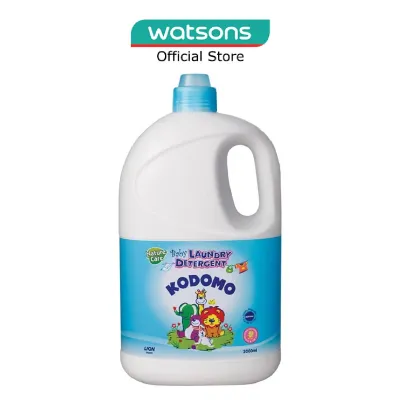
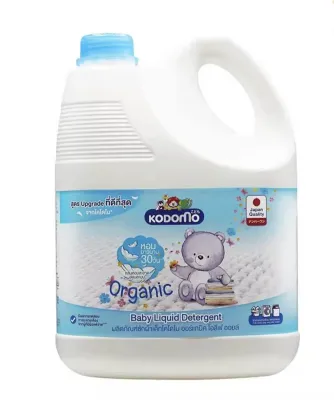
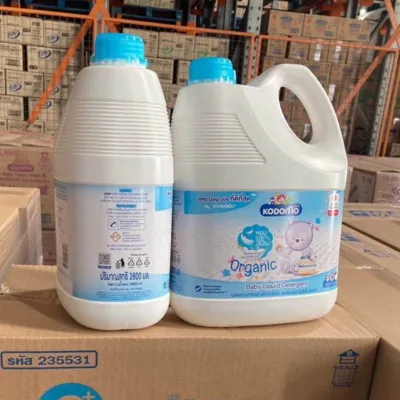
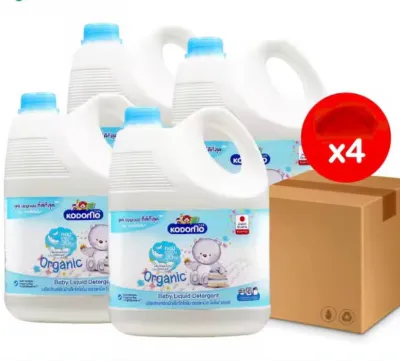
![[Carton Deal] Kodomo Baby Laundry Detergent Extra Care Refill 1L](https://img.lazcdn.com/g/p/68cf5807921369c7b96ec4885a305709.jpg_400x400q80.jpg_.webp)
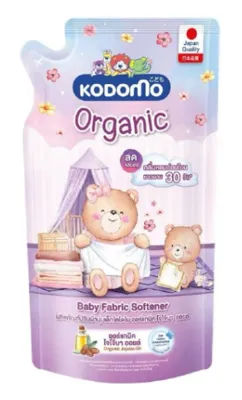
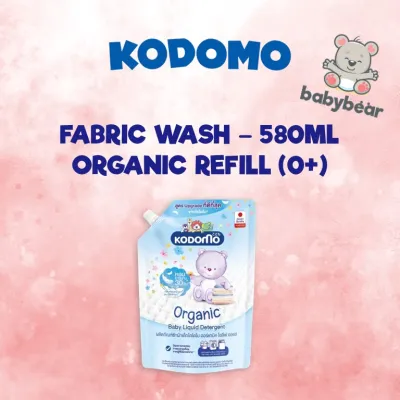
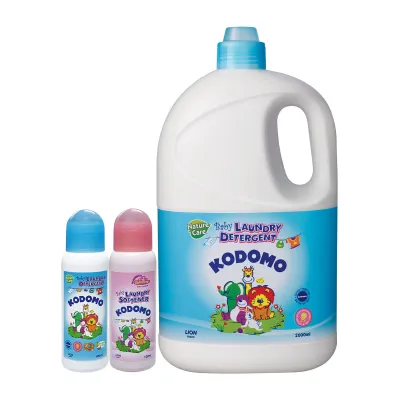
Prices are valid at publication and may change. Please refer to the product page for the latest price.
If you find that the packaging only lists broad ingredient categories rather than specific chemical names, or if you need detailed allergen information, do not hesitate to contact the manufacturer’s customer service department directly. They can provide the full chemical breakdown to help you identify any specific substances your pediatrician has advised you to avoid.
Common Ingredients in Baby Detergents and What to Look For
Baby laundry detergents are formulated differently from standard household detergents to accommodate the unique characteristics of infant skin. A baby’s skin barrier is thinner and more permeable than an adult’s, making it highly susceptible to absorbing chemical residues left behind on clothing fibers. Understanding the primary categories of ingredients in these specialized formulas helps you evaluate how they might interact with your baby’s skin.

Surfactants and Cleaning Agents
Surfactants, or surface-active agents, are the core cleaning components of any laundry detergent. Their primary job is to lower the surface tension of water, allowing it to wet fabrics more effectively and lift away stubborn organic matter like milk spills, spit-up, and bodily fluids.
When reviewing a baby detergent label, look for indications of mild or plant-derived surfactants, such as those derived from coconut or palm oil. These are often selected for baby formulas because they tend to be gentler on skin than harsh synthetic alternatives.
But even the mildest surfactants can cause skin irritation if they are not completely rinsed out of the fabric. Overdosing the detergent or using a wash cycle with insufficient water can leave a microscopic film of surfactant residue on baby clothes. When the baby sweats, this residue can re-activate, leading to localized redness, itching, or dryness.
Fragrances, Dyes, and Preservatives
Fragrances and dyes are among the most common triggers for contact dermatitis in infants. While a pleasant scent on freshly washed baby clothes is appealing, synthetic perfumes offer no cleaning benefit and introduce unnecessary chemical complexity to the wash.
It is important to distinguish between “unscented” and “fragrance-free” labels on detergent bottles. An unscented product may still contain masking fragrances designed to neutralize the chemical smell of the raw ingredients, which can still irritate highly sensitive skin. A truly fragrance-free formula, on the other hand, contains no added scent chemicals whatsoever.
Dyes are purely aesthetic additions used to make the liquid detergent look appealing in the bottle. For newborns and babies with eczema, choosing a dye-free formula is highly recommended. Additionally, check the label for the types of preservatives used to prevent bacterial growth in the liquid; look for formulas that explicitly state they are free from parabens, formaldehyde donors, and other harsh preserving agents.
Enzymes and Stain Removers
Enzymes are biological catalysts added to detergents to target and break down specific types of organic stains. For instance, proteases break down protein-based stains like breast milk and formula, amylases target starches from baby food, and lipases break down fats and oils.
While enzymes are incredibly efficient at keeping baby clothes looking clean without requiring harsh scrubbing, they can sometimes pose a challenge for babies with compromised skin barriers. If enzyme residues remain trapped in the weave of a garment, they can interact with the moisture on a baby’s skin and cause mild irritation or chafing.
If your baby has extremely sensitive skin or active eczema, you may want to opt for an enzyme-free formula during their first few months. Alternatively, if you use an enzyme-based detergent to tackle tough stains, ensure you run an extra rinse cycle to thoroughly flush the enzymes out of the fabric fibers before drying.
How to Verify Safety Claims for Sensitive Skin
Detergent bottles are often covered in reassuring marketing terms, but parents must know how to interpret these claims critically. Terms like “hypoallergenic,” “dermatologically tested,” and “pediatrician approved” are common, yet they are not always governed by strict, universal legal definitions.
When a product claims to be “hypoallergenic,” it generally means the formulation has been designed to minimize the risk of allergic reactions by excluding common irritants. However, it does not guarantee that an individual baby will never experience a reaction. “Dermatologically tested” simply means the product was tested on human skin under the supervision of a dermatologist, but it does not specify the testing methodology, the sample size, or whether the test subjects had sensitive skin.
To verify these claims, look for specific testing details or recognized third-party certifications on the packaging. For example, certifications from independent dermatological institutes or allergy associations provide a higher level of assurance.
Additionally, pay attention to pH claims. A baby’s skin has a naturally acidic pH of around 5.5, which helps maintain the skin’s protective barrier. Detergents that are “pH balanced” or “neutral pH” are formulated to prevent drastic shifts in the fabric’s pH, reducing the likelihood of skin irritation when the clothes are worn.
Finally, remember that “natural” or “botanical” labels do not automatically equal safety. Natural plant extracts, such as essential oils, can still be potent allergens for sensitive infant skin. Always read the full ingredient list rather than relying on front-of-bottle natural imagery.
Best Practices for Washing Baby Clothes Safely
No matter which detergent you choose, the way you wash and care for your baby’s laundry plays a crucial role in preventing skin irritation. Implementing a few simple best practices can significantly reduce the risk of detergent buildup and skin reactions.
First, always follow the manufacturer’s dosing instructions precisely. In Singapore’s humid climate, indoor drying is common, and excess detergent residue can trap moisture and bacteria in the fabric, leading to musty odors and skin irritation. Using too much detergent does not make clothes cleaner; instead, it creates excess suds that are difficult for washing machines to rinse away.
Second, make it a habit to select an extra rinse cycle on your washing machine. This simple step ensures that any lingering surfactants, enzymes, or fragrances are thoroughly flushed out of the clothing fibers.
Third, always wash new baby clothes, bedding, and towels before their first use. New fabrics often contain manufacturing residues, chemical finishes, and dust from shipping and handling that can easily irritate a newborn’s delicate skin.
Lastly, perform a simple patch test when introducing a new detergent. Wash a single item of clothing, such as a bodysuit, with the new detergent, and have your baby wear it for a day. Monitor their skin closely for any signs of redness, bumps, or dryness. If no reaction occurs after 24 to 48 hours, it is generally safe to wash the rest of their wardrobe with that formula. If you notice any persistent skin issues, stop using the detergent and consult a qualified pediatrician.
Frequently Asked Questions (FAQ)
Can I use regular adult detergent instead of Kodomo baby detergent?
Standard adult detergents are formulated to tackle heavy outdoor dirt, sweat, and synthetic fabric stains, often utilizing stronger surfactants, optical brighteners, and intense fragrances. These components are highly likely to leave residues that can irritate a baby’s delicate skin. While you can transition to family-friendly, fragrance-free adult detergents as your child grows, using a dedicated baby detergent is highly recommended during the newborn stage or if your baby has eczema.
Do I need to use a fabric softener with baby laundry detergent?
It is best to avoid fabric softeners when washing baby clothes. Softeners work by leaving a chemical coating over fabric fibers to make them feel smoother. This coating can significantly reduce the absorbency of essential baby items like cloth diapers, burp cloths, and towels. Furthermore, the conditioning agents and heavy fragrances found in softeners are common skin irritants that can trigger flare-ups on sensitive baby skin.

Community discussion
Share your experience or ask a question. Comments are reviewed before publication.