
When selecting laundry products for a newborn, parents are often met with marketing terms like “natural,” “hypoallergenic,” and “chemical-free.” K-mom, a popular South Korean baby care brand, is frequently discussed in parenting circles for its gentle formulations and plant-derived ingredients. However, understanding what actually goes into these bottles is essential for protecting an infant’s delicate skin barrier.
Evaluating the safety of any baby detergent requires looking past the front packaging and analyzing the chemical composition listed on the back. Infant skin is significantly thinner and more permeable than adult skin, making it highly susceptible to contact dermatitis from residual laundry chemicals. By learning how to decode ingredient lists and adopting optimal laundry habits, you can minimize the risk of skin irritation and ensure your baby’s clothes remain clean and safe.
Quick Answer: Evaluating K-mom's Safety for Sensitive Skin
No liquid laundry detergent can be entirely “chemical-free” because water, plant-derived surfactants, and mild preservatives are all chemical compounds by definition. When parents ask if K-mom is free from harmful chemicals, they are generally asking whether the formula omits harsh synthetic skin irritants such as parabens, sulfates, artificial dyes, and strong synthetic fragrances. K-mom baby detergents are specifically designed to minimize these aggressive additives, utilizing plant-based cleaning agents instead of harsh industrial surfactants.
Products mentioned in this guide
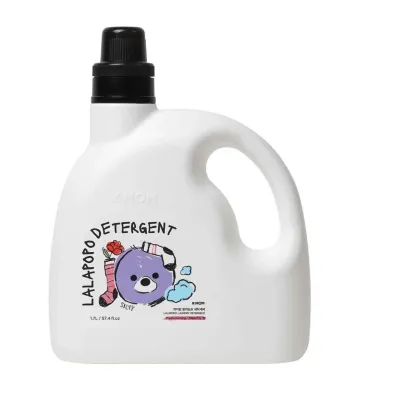
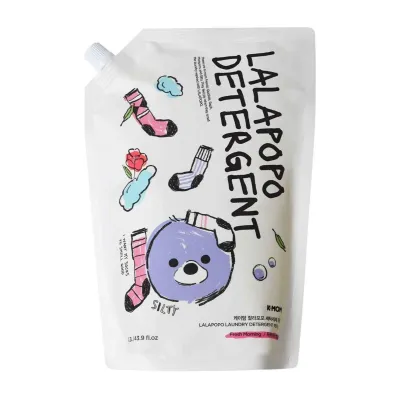
Prices are valid at publication and may change. Please refer to the product page for the latest price.
However, the absolute safety of any detergent depends heavily on the specific product variant you choose and your individual baby’s skin sensitivity. For instance, some K-mom variants contain mild, naturally derived fragrances, while others are completely unscented. Because formulations can be updated periodically or vary depending on the import batch and region, the most reliable way to confirm the absence of specific irritants is to check the current physical product label before purchasing.
Every infant’s skin barrier is unique, meaning a product that works perfectly for one baby might still trigger mild sensitivity in another. Rather than relying solely on brand reputation, parents should view detergent safety as a combination of a clean ingredient profile, proper machine washing techniques, and careful observation of their baby’s skin reactions.
How to Read the K-mom Ingredient Label for Potential Irritants
Navigating the ingredient list on a bottle of K-mom detergent can feel overwhelming, especially when confronted with complex chemical names. However, learning to identify a few key categories of ingredients will empower you to make informed decisions and verify the safety of any baby laundry product independently.

Identifying Artificial Fragrances and Dyes
Synthetic fragrances are among the most common triggers for pediatric contact dermatitis. On ingredient labels, these are often grouped under generic terms such as “parfum,” “fragrance,” or “aroma.” These single-word listings can represent a complex mixture of dozens of undisclosed chemical compounds used to create a specific scent. For newborns and infants with highly reactive skin or eczema, these residual scent molecules trapped in fabric fibers can cause persistent itching and redness.
Synthetic dyes are another category of unnecessary additives used purely for aesthetic appeal in the bottle. They do not contribute to the cleaning performance of the detergent but do increase the chemical load on your baby’s clothing. On packaging, synthetic colorants are typically identified by “CI” (Color Index) followed by a five-digit number, or by names like “Acid Blue” or “Yellow No. 5.” Truly sensitive-skin formulas, including K-mom’s unscented and clear variants, omit these colorants entirely to eliminate this specific pathway of skin irritation.
If you prefer a scented detergent, look for variants that use extremely low concentrations of natural extracts or food-grade flavorings rather than heavy synthetic perfumes. However, for the first few months of life, opting for completely fragrance-free and dye-free formulas is the safest approach to protect your baby’s developing skin barrier.
Evaluating Preservatives and Surfactants
Preservatives are a mandatory component of any water-based liquid detergent. Without them, the water inside the bottle would quickly become a breeding ground for bacteria, mold, and yeast, especially in warm, humid environments. However, certain traditional preservatives, such as methylisothiazolinone (MIT) and methylchloroisothiazolinone (CMIT), are potent skin sensitizers that are highly inappropriate for infant clothing. Safe baby detergents instead utilize milder, food-grade preservative systems, such as sodium benzoate or potassium sorbate, which prevent microbial growth without aggressively irritating the skin.
Surfactants, or surface-active agents, are the core cleaning ingredients responsible for breaking down oils, lifting dirt, and suspending stains so they can be washed away. Traditional adult detergents frequently rely on strong anionic surfactants like Sodium Lauryl Sulfate (SLS) or Sodium Laureth Sulfate (SLES). While highly effective at cutting grease, these sulfates can strip the natural lipids from an infant’s skin barrier, leading to severe dryness and irritation.
When reviewing K-mom labels, look for mild, plant-derived surfactants. These are commonly derived from coconut, corn, or palm oils and are listed under names like coco-glucoside, decyl glucoside, or sodium cocoyl glutamate. These non-ionic and amphoteric surfactants provide effective cleaning action while remaining exceptionally gentle on both the fabric fibers and your baby’s skin.
Recognizing Signs of Detergent Sensitivity on Baby's Skin
Even when using a high-quality baby detergent like K-mom, it is crucial to monitor your infant’s skin for any signs of localized irritation. Irritant contact dermatitis caused by laundry residue typically presents as dry, rough, or flaky patches of skin, localized redness, or small red bumps that may cause mild itching. Unlike systemic allergic reactions, detergent sensitivity is usually confined to the specific areas where clothing rubs directly against the body.
Pay close attention to high-friction zones where clothing fits tightly or where sweat tends to accumulate. These areas include the armpits, the groin, the folds of the neck, and along the diaper line or sleeve cuffs. Sweat can dissolve residual detergent molecules trapped in the fabric fibers, allowing them to penetrate the skin barrier more easily and trigger localized inflammation.
It is important to remember that infant skin rashes can stem from numerous overlapping factors. In tropical climates, heat rash (miliaria) is incredibly common and can easily be confused with detergent sensitivity. Other potential culprits include food allergies, environmental allergens, infant eczema, or simple friction from rough synthetic fabrics. If you notice skin changes, evaluate all potential variables, starting with fabric types and washing practices, before concluding that the detergent is the sole cause.
Safe Washing Practices to Minimize Detergent Residue
Even the mildest, most premium baby detergent can cause skin issues if it is not used correctly. Minimizing skin irritation is as much about how you wash your baby’s clothes as it is about the specific brand of detergent you buy.
Proper Dosing and the Importance of Extra Rinsing
One of the most common mistakes parents make is using too much detergent in an effort to combat stubborn baby stains. Overdosing does not make clothes cleaner; instead, it oversaturates the water, making it incredibly difficult for the washing machine to rinse the soap away completely. The result is a microscopic, soapy residue that dries directly onto the fabric fibers, turning soft clothes stiff and creating a constant source of friction against your baby’s skin.
Always use the measuring cap provided with your K-mom bottle and strictly adhere to the manufacturer’s dosage guidelines based on your load size and water hardness. If you are dealing with heavily soiled items like cloth diapers or spit-up cloths, resist the urge to add extra detergent to the main cycle. Instead, pre-treat the stains directly with a small dab of detergent or run a separate pre-wash cycle with plain water.
Furthermore, utilize your washing machine’s “extra rinse” or “baby care” cycle. This additional rinsing phase is highly effective at flushing out any lingering surfactant molecules and suspended dirt from deep within the fabric weave. Ensuring a thorough rinse is one of the simplest and most effective ways to protect sensitive skin from laundry-induced irritation.
Choosing Breathable Fabrics and Air-Drying in Singapore
The interaction between fabric choice, local climate, and laundry care plays a significant role in skin health. In Singapore’s hot and humid tropical climate, babies sweat frequently. Synthetic fabrics like polyester or nylon trap heat and moisture against the skin, which can exacerbate friction and cause residual detergent chemicals to leach into the pores. Opting for natural, highly breathable fabrics like organic cotton or bamboo linen allows air to circulate freely and helps keep your baby’s skin dry and cool.
Your drying method also impacts how fabrics feel and behave. In Singapore, many households air-dry laundry on balcony racks, HDB laundry poles, or in well-ventilated indoor areas. Drying baby clothes under direct sunlight utilizes natural UV light, which helps sanitize fabrics and naturally freshens clothes without the need for synthetic chemical additives.
If you must dry clothes indoors due to high humidity or rainy weather, ensure the room is well-ventilated or use a dehumidifier. This prevents the fabric from retaining dampness, which can lead to musty odors and tempt parents to use heavily fragranced fabric softeners or scent boosters—both of which should be strictly avoided for baby laundry.
When to Stop Using the Detergent and Seek Medical Advice
While mild skin redness or dryness can often be managed by adjusting your washing habits or switching to an unscented detergent variant, certain symptoms require immediate action. You should stop using K-mom or any other current detergent immediately if your baby develops a sudden, widespread rash, or if the skin begins to blister, ooze, or show signs of a secondary bacterial infection.
Signs of skin infection or severe dermatitis include skin that feels hot to the touch, yellow crusting, swelling, or extreme discomfort that disrupts your baby’s sleep and feeding patterns. If your baby is constantly scratching or crying from skin discomfort, do not attempt to self-treat the condition with over-the-counter steroid creams or home remedies without professional guidance.
If you suspect a severe reaction, temporarily wash all of your baby’s clothing, bedding, and towels in plain, hot water to strip away any remaining detergent residues. Switch to a known dermatologically tested, hypoallergenic alternative, and consult a registered pediatrician or pediatric dermatologist in Singapore. A medical professional can provide an accurate diagnosis, rule out other underlying skin conditions, and recommend a safe, targeted treatment plan to restore your baby’s skin barrier.
Frequently Asked Questions (FAQ)
Can I use regular adult detergent instead of a baby-specific formula?
Adult laundry detergents are formulated to tackle heavy organic stains, body odors, and synthetic fabrics, meaning they contain much higher concentrations of strong surfactants, optical brighteners, and intense synthetic fragrances. Because an infant’s skin is up to 30% thinner than adult skin and lacks a fully developed protective barrier, it is highly vulnerable to absorbing these aggressive chemicals. While older toddlers with resilient skin may eventually tolerate standard family detergents, using a dedicated, gentle baby detergent is highly recommended for newborns and infants to minimize the risk of chemical irritation and contact dermatitis.
Do I need to use a fabric softener for baby clothes?
Fabric softeners are not necessary for baby laundry and are actively discouraged by pediatricians. Softeners work by depositing a thin, lubricating chemical film—often containing quaternary ammonium compounds and heavy synthetic perfumes—over the fabric fibers to make them feel soft. This chemical coating significantly reduces the natural absorbency and breathability of cotton and bamboo fabrics, making them less effective at absorbing sweat. Additionally, the residual chemicals and fragrances left on the clothing are common triggers for skin irritation, meaning it is far safer to skip fabric softeners entirely and rely on proper dosing and air-drying to keep clothes soft.

Community discussion
Share your experience or ask a question. Comments are reviewed before publication.