
Using regular household disinfectants on baby toys is generally unsafe unless you follow strict rinsing protocols or use products specifically certified for food-contact surfaces. Because infants explore their world by putting objects in their mouths, any chemical residue left on a toy can be directly ingested. Standard household cleaners are formulated to sanitize floors, countertops, and adult spaces, often leaving behind persistent chemical barriers designed to keep killing germs. For a developing baby, these residues can lead to oral chemical exposure, skin irritation, or digestive upset.
To keep your little one safe, you must distinguish between routine cleaning and deep disinfecting. While keeping toys hygienic is essential, the methods you use must match the developmental stage of your child and the specific materials of the toys. Understanding how to read product labels, evaluate chemical risks, and apply material-safe cleaning techniques will help you maintain a healthy play environment without introducing unnecessary chemical hazards into your home.
Understanding the Risks of Regular Disinfectants on Baby Toys
To protect your baby, it is vital to understand the functional difference between cleaning and disinfecting. Cleaning involves the physical removal of visible dirt, dust, grease, and organic matter from surfaces, typically using mild soap, water, and friction. This mechanical action washes away a significant portion of germs but does not necessarily kill them. Disinfecting, on the other hand, uses specific chemical formulations to destroy pathogens on contact. While disinfecting is necessary in certain situations, applying these strong chemicals to items that regularly end up in a baby’s mouth introduces distinct risks.
Products mentioned in this guide
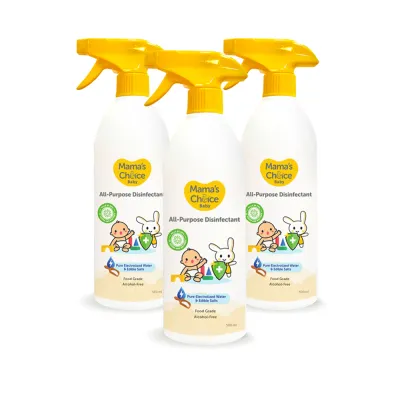
![[Bundle of 3] Mamas Choice All-Purpose Disinfectant Spray | Baby Safe Toy & Surface Sanitiser | Alcohol-Free](https://img.lazcdn.com/g/p/56523d8438db11289f28e1abddbd5618.jpg_400x400q80.jpg_.webp)
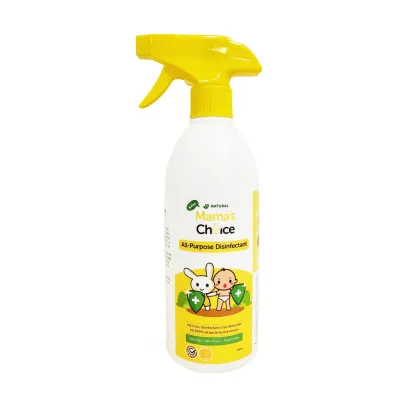
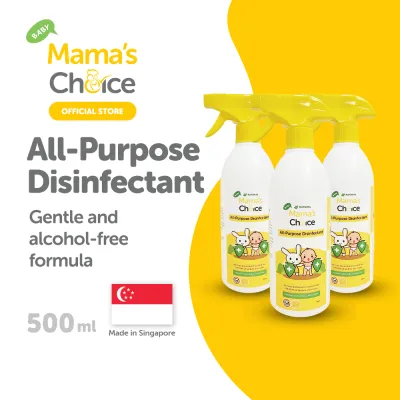
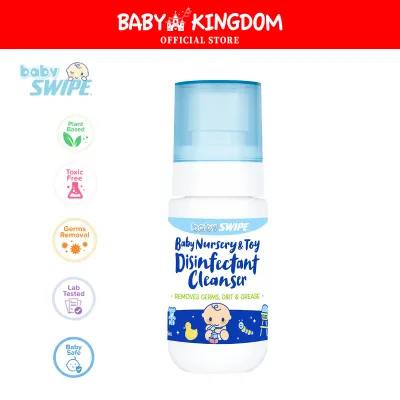
Prices are valid at publication and may change. Please refer to the product page for the latest price.
The primary concern with using standard household disinfectants on baby toys is the high likelihood of chemical residue. Many common disinfectants contain active ingredients like quaternary ammonium compounds (quats), bleach, or synthetic fragrances. These chemicals are designed to cling to surfaces to provide ongoing antimicrobial action. When a baby mouths a treated toy, their saliva can dissolve these residues, leading to direct oral ingestion. Over time, even minor exposure to these harsh chemicals can irritate the delicate lining of a baby’s mouth and digestive tract.
In addition to oral ingestion, chemical residues can cause contact dermatitis and skin irritation. A baby’s skin is significantly thinner and more sensitive than an adult’s, making it highly susceptible to chemical burns or allergic reactions from lingering cleaning agents. If a toy is not thoroughly rinsed after being sprayed with a multi-surface disinfectant, the residue can transfer to the baby’s hands and face during play, leading to redness, itching, or dry patches.
Parents should also be aware that labels such as “antibacterial,” “natural,” or “multi-surface” do not automatically mean a product is safe for babies or food-contact surfaces. An antibacterial spray designed for kitchen countertops may still require a thorough potable water rinse before the surface can touch food. Assuming a product is safe simply because it is marketed as “green” or “antibacterial” can lead to accidental chemical exposure. Always look beyond the front label to understand the actual safety instructions and chemical properties of the cleaner.
How to Evaluate a Disinfectant for Baby Toy Safety
Evaluating a disinfectant requires a careful reading of the product’s back label rather than relying on front-of-pack marketing claims. When inspecting a bottle, look specifically for instructions regarding “food-contact surfaces.” If a disinfectant is rated safe for food-contact surfaces, it means the chemical formulation is low-risk enough to be used where food is prepared, but even these products often carry a mandatory instruction to rinse the surface thoroughly with clean, potable water after the contact time has elapsed. If a label states that a rinse is required, you must treat the product as unsafe for baby toys unless you perform that rinsing step diligently.

Another critical step is checking the toy manufacturer’s care instructions before applying any cleaning agent. Baby toys are made from a wide variety of materials, including natural wood, food-grade silicone, delicate plastics, and mixed fabrics. Using a harsh chemical disinfectant can degrade these materials, causing plastics to become brittle, paint to peel, or silicone to break down. Damaging the toy not only voids any manufacturer warranties but can also create new safety hazards, such as small choking hazards from cracked plastic or splintered wood.
If you decide to use a chemical disinfectant, a thorough rinse with clean, running water is absolutely necessary unless the product is explicitly certified as a “no-rinse” formula designed for baby items or food contact. To rinse properly, hold the toy under running tap water for at least thirty seconds, ensuring all traces of the chemical are washed away. Afterward, wipe the toy with a clean, dry cloth and let it air dry completely. For toys that cannot be easily rinsed, such as those with battery compartments or fabric parts, regular chemical disinfectants should be avoided entirely.
Material-Specific Cleaning and Disinfecting Guidelines
Different toy materials require distinct cleaning approaches to ensure both hygiene and physical safety. Hard plastics and food-grade silicone are among the easiest materials to clean. For routine maintenance, washing these toys with mild dish soap and warm water is highly effective. If you want to sanitize them further, check if the manufacturer explicitly approves boiling or dishwasher cleaning. Many silicone teethers and high-quality plastic toys can withstand the high temperatures of a dishwasher cycle or a brief dip in boiling water, which sanitizes the item physically without the need for chemical disinfectants.
Plush and fabric toys present a different challenge because their porous fibers can easily trap moisture, dirt, and saliva. While some plush toys can be tossed into the washing machine on a gentle cycle with baby-safe laundry detergent, others are surface-clean only. If you wash fabric toys, ensuring they dry completely is critical. In humid climates like Singapore, damp fabric toys can quickly become breeding grounds for mold and mildew. Use a high-heat dryer setting if the manufacturer allows it, or hang the toy in a well-ventilated, sunny area until it is bone-dry to the touch.
Wooden toys require extra care because wood is a porous, natural material that reacts strongly to moisture and chemicals. You should never soak a wooden toy or use harsh chemical disinfectants on it. Soaking can cause the wood to swell, warp, and eventually splinter, creating sharp edges that can injure your baby. Harsh chemicals can also strip the natural oils or non-toxic finishes from the wood. Instead, clean wooden toys by wiping them down with a damp cloth dipped in mild soapy water, followed by a quick wipe with a dry cloth, and allow them to air dry immediately.
Electronic or battery-operated toys must never be submerged in water or exposed to heavy liquid sprays. Moisture entering the battery compartment or internal circuitry can cause short circuits, ruin the toy, or create electrical hazards. To clean these items safely, use a slightly damp microfiber cloth with a small amount of mild soap to wipe down the exterior surfaces. Pay close attention to buttons and seams where dirt accumulates, but ensure no liquid seeps into the openings. Dry the toy immediately with a clean towel.
Managing Accidental Exposure to Cleaning Residue
Despite your best efforts, accidental exposure to disinfectant residue can happen. If you suspect your baby has mouthed a toy that still has wet or concentrated disinfectant on it, remain calm and take immediate, low-risk steps. Gently wipe the inside of your baby’s mouth with a clean, damp washcloth to remove any lingering chemical residue. If your baby is old enough to drink water, offer a small sip of clean water, or provide a small feeding of breastmilk or formula to help dilute any minor, non-toxic residue that may have been swallowed.
It is crucial to monitor your baby closely for any adverse reactions. Define clear red flags that indicate a need for immediate medical attention. If you observe symptoms such as persistent vomiting, unusual lethargy, difficulty breathing, excessive drooling, or visible redness and swelling around the mouth or tongue, seek emergency medical care immediately. These signs can indicate a more severe reaction or chemical irritation that requires professional evaluation.
When seeking medical help or contacting a local healthcare provider, always keep the original packaging of the disinfectant handy. Having the bottle allows medical professionals to quickly identify the exact active ingredients, chemical concentrations, and safety warnings listed on the label. This information is vital for determining the correct course of treatment and avoiding unnecessary medical interventions.
Frequently Asked Questions (FAQ)
Can I use alcohol wipes to clean baby toys?
While alcohol evaporates quickly and kills many common germs, using alcohol wipes on baby toys requires caution. Alcohol can degrade certain plastics, strip paint, and dry out silicone over time, making the toys brittle or prone to breaking. If you use alcohol wipes, check the toy manufacturer’s guidelines first, and ensure the toy is completely dry and well-aerated before returning it to your baby.
How often should I disinfect my baby's toys?
You do not need to disinfect baby toys daily. Routine cleaning with mild soap and water is sufficient for everyday play. Targeted disinfecting should be reserved for specific situations, such as after your baby has been sick, when toys have been shared with other children, or if a toy has dropped onto a high-risk surface in a public area.
Are natural cleaners like vinegar effective for disinfecting baby toys?
Vinegar is an excellent natural cleaner for removing dirt, grease, and mineral deposits, but it is not a registered disinfectant. It does not kill all harmful bacteria and viruses effectively. For routine daily hygiene, rely on proper mechanical cleaning with mild soap, warm water, and physical scrubbing rather than expecting vinegar to sanitize the toys.

Community discussion
Share your experience or ask a question. Comments are reviewed before publication.