
Using a Pigeon cotton bud to clean your newborn’s ears and nose is safe only when restricted to the outermost, visible surfaces. Under no circumstances should any cotton bud, regardless of its size or brand, be inserted into a baby’s ear canal or deep inside their nostrils. Newborns have incredibly delicate, developing anatomy, and their natural self-cleaning mechanisms are highly efficient. A slip of the hand, a sudden startle reflex, or an accidental deep insertion can lead to serious injury, including eardrum perforation or mucosal damage.
When preparing a baby grooming kit, many parents naturally look to trusted brands like Pigeon. However, safety is not merely a brand attribute; it is a practice. Understanding how to evaluate these grooming tools, recognizing the limits of home cleaning, and mastering safe, external-only techniques are essential steps for every caregiver. By focusing strictly on superficial hygiene and knowing when to step back, you can keep your baby comfortable and safe from unnecessary harm.
Medical Consensus on Cleaning Newborn Ears and Nose
Pediatricians and ear, nose, and throat (ENT) specialists share a clear, unanimous stance on infant hygiene: nothing smaller than a clean washcloth wrapped around your finger should ever enter your baby’s ear canal or nasal passages. The anatomical structure of a newborn is vastly different from that of an adult. Their ear canals are extremely short, narrow, and straight, meaning the delicate tympanic membrane (the eardrum) sits much closer to the external opening. The skin lining this canal is paper-thin, highly sensitive, and easily scratched, which can introduce bacteria and lead to painful infections like otitis externa.
Products mentioned in this guide
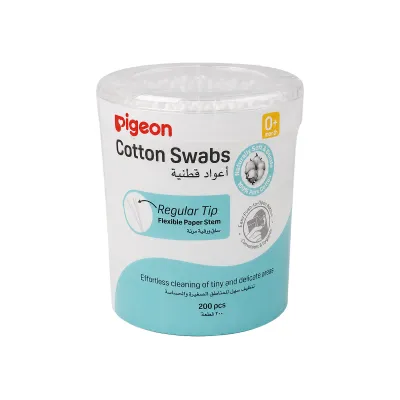
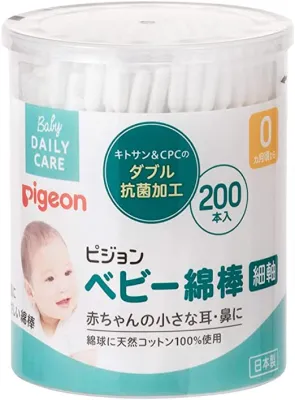
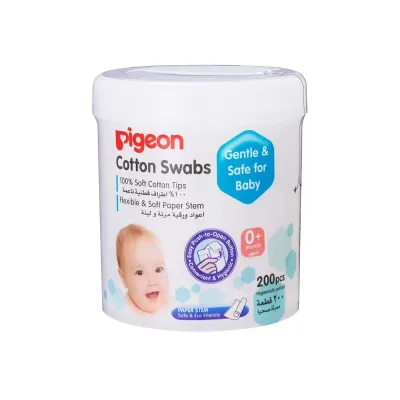
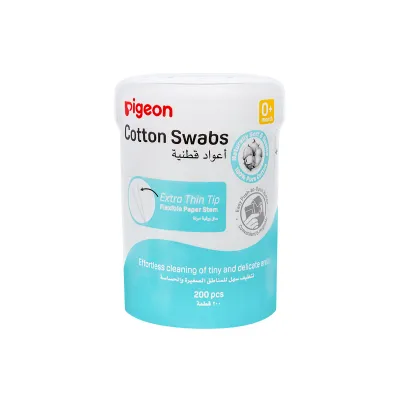
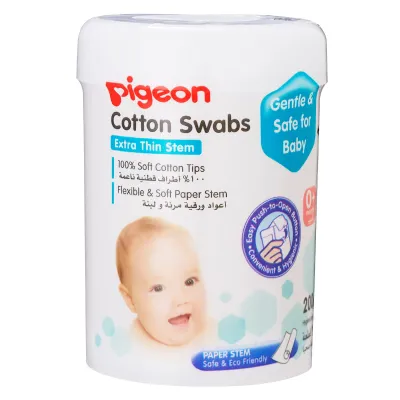
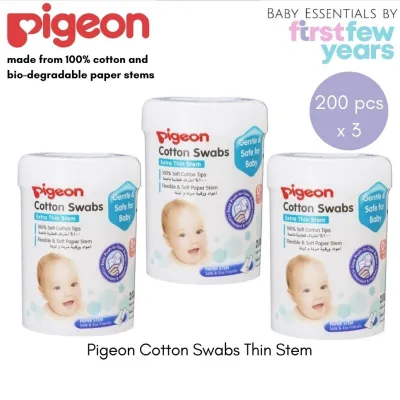
Prices are valid at publication and may change. Please refer to the product page for the latest price.
Similarly, a newborn’s nasal passages are tiny, highly vascularized, and easily irritated. The mucosal lining inside the nose produces mucus to trap dust and pathogens, and tiny hair-like structures called cilia naturally sweep this debris toward the front of the nose. When a caregiver inserts a cotton bud into the nostril, they risk scraping this delicate lining, causing nosebleeds or swelling that can actually make breathing more difficult for the infant.
The primary danger of using cotton buds internally is the “plunger effect.” Instead of removing earwax or mucus, a cotton bud often pushes the debris deeper into the canal or nasal cavity. In the ear, this compacts the wax against the eardrum, leading to temporary hearing loss, discomfort, or impaction that requires professional medical removal. In the nose, pushing mucus deeper can block the narrow airways, causing distress during feeding or sleeping, as newborns are obligate nasal breathers who primarily breathe through their noses.
Therefore, the medical consensus emphasizes a strict distinction between cosmetic, external wiping and internal cleaning. The outer ear (the pinna or auricle) and the very rim of the nostrils can be gently wiped to remove visible crust or dried fluids. Anything beyond this visible threshold must be left alone, allowing the body’s natural self-cleaning processes to do their work.
How to Evaluate Pigeon Baby Cotton Buds for Your Grooming Kit
When selecting Pigeon cotton buds or any similar grooming tool for your newborn, you must look beyond the brand name and carefully evaluate the physical specifications and safety warnings printed on the packaging. Not all cotton buds are created equal, and baby-specific varieties are engineered with distinct features designed to minimize the risks associated with infant grooming.

First, inspect the product packaging for explicit age recommendations and safety instructions. Manufacturers of high-quality baby grooming products print clear warnings advising against internal insertion. Verify that the product is explicitly labeled for infant or baby use, as these items undergo different manufacturing standards and quality checks compared to standard cosmetic cotton buds.
Second, examine the physical design of the cotton tip. Many baby-specific cotton buds feature a safety bulb or a stepped design. This safety stopper shape features a wider base just behind a smaller tip, which physically prevents the bud from being inserted too deeply into a tiny ear canal or nostril. If you are purchasing Pigeon cotton buds, check if the specific pack you choose utilizes this safety-tip design, as it provides an extra layer of physical protection against accidental deep insertion.
Third, evaluate the shaft material and flexibility. Standard adult cotton buds often use rigid plastic or stiff wooden sticks that do not give under pressure. For newborns, look for cotton buds with ultra-thin, flexible paper stems. Paper shafts are designed to bend easily when they encounter resistance, absorbing the force of a sudden movement or a heavy hand rather than transferring that impact directly into your baby’s delicate ear or nose tissues.
Finally, verify the material composition and hygiene standards of the product. The cotton tips should be made of 100% pure, high-quality cotton that is tightly wound around the stem. Loose or fluffy cotton fibers can easily detach during use, leaving behind microscopic debris that can cause irritation, foreign body reactions, or infections. Additionally, check the label for sterilization claims or hygienic packaging, such as individually wrapped buds or containers designed to keep the remaining buds clean and free from environmental dust and moisture.
Safe External Cleaning Techniques for Newborns
If you decide to use baby cotton buds for superficial grooming, establishing a safe, methodical technique is paramount. The goal is always to clean only what you can see on the very outside of the ear and nose, without applying any inward pressure.
Before you begin, ensure the environment is calm and well-lit. Choose a time when your baby is relaxed, such as after a bath when dried mucus or earwax has naturally softened. Ensure your baby is lying on a flat, secure surface, and have all your supplies within arm’s reach. Never attempt to clean your baby’s ears or nose while holding them in a loose or unstable position, as a sudden startle reflex can lead to accidental injury.
To clean the outer ear, gently hold your baby’s head still with one hand, keeping your grip firm but gentle. Dampen the cotton bud slightly with warm water; do not soak it, as excess water can drip into the ear canal. Carefully trace the folds of the outer ear (the pinna) and wipe behind the ear where milk residue, sweat, and dead skin cells often accumulate. Always move the cotton bud in an outward direction, sweeping debris away from the ear canal opening. Never push the bud inward.
For the nose, limit your cleaning strictly to the visible rim of the nostrils. If there is dried, crusty mucus at the opening, use a slightly damp cotton bud to gently roll the debris outward. Do not push the bud upward into the nasal passage. If the mucus does not come away easily, do not force it or dig for it.
You must stop the cleaning process immediately if your baby becomes fussy, squirms, or shows signs of distress. A moving target increases the risk of accidental deep insertion exponentially. If the debris is stubborn or located deeper than the surface, transition to safer, gentler alternatives. For the outer ear, a warm, damp washcloth wrapped around your clean index finger is highly effective and carries zero risk of deep insertion. For nasal congestion, pediatricians widely recommend using a few drops of sterile saline solution to loosen mucus, followed by a gentle, manual nasal aspirator if necessary, always following the manufacturer’s instructions.
When to Stop Home Cleaning and See a Pediatrician
As a caregiver, recognizing the limits of home grooming is crucial for your baby’s safety. There are clear boundaries where home cleaning must stop, and professional medical evaluation must take over. Attempting to resolve deeper issues at home can worsen the condition and cause lasting damage.
You should stop all home cleaning and consult a pediatrician immediately if you observe any of the following warning signs:
- Any sign of bleeding, scratches, or raw skin inside or around the ears and nose.
- Unusual discharge, such as yellow, green, or foul-smelling fluid draining from the ear canal.
- Redness, swelling, or warmth around the ear or nasal area, which may indicate an infection.
- Signs of pain or discomfort during or after cleaning, such as your baby crying, pulling at their ears, shaking their head persistently, or showing unusual irritability.
If you suspect your baby has impacted earwax or a severe nasal blockage that is affecting their ability to breathe, feed, or sleep, do not attempt to remove it yourself. Impacted wax can press against the eardrum, causing pain and temporary hearing issues. Trying to dig it out with a cotton bud will only pack it tighter. Similarly, deep nasal blockages require professional assessment.
Pediatricians and ENT specialists have the training, specialized lighting, and micro-tools—such as infant-sized curettes or gentle suction devices—to safely clear blockages without harming the delicate structures of your newborn’s ears and nose. Always prioritize professional medical advice over home remedies or persistent grooming attempts when dealing with deep or stubborn blockages.
Frequently Asked Questions (FAQ)
Can I use regular adult cotton buds for my baby?
No, you should never use regular adult cotton buds on a baby. Adult cotton buds are designed with larger cotton tips and longer, rigid shafts that are highly unsuitable for infant anatomy. They lack the safety stoppers or bulb-shaped tips found on baby-specific buds, making it incredibly easy to accidentally insert them too deeply into a newborn’s tiny ear canal or nostril. Additionally, the rigid plastic or wooden stems of adult buds do not bend under pressure, significantly increasing the risk of tissue damage or eardrum perforation if the baby moves suddenly.
How often should I clean my newborn's ears and nose?
You should only clean your newborn’s ears and nose on an as-needed basis when visible dirt, crust, or dried mucus is present on the outer surfaces. There is no medical need for a daily deep cleaning routine. Both the ears and nose possess highly effective, natural self-cleaning mechanisms. Earwax naturally migrates outward from the canal to the outer ear, and nasal cilia constantly sweep mucus forward. Over-cleaning can strip away these natural protective barriers, dry out the delicate skin, and cause unnecessary irritation or inflammation.

Community discussion
Share your experience or ask a question. Comments are reviewed before publication.