
Inserting cotton buds into a baby’s ear canal is not safe and is strongly discouraged by paediatricians and medical professionals worldwide. While keeping your little one clean is a natural part of daily parenting, a baby’s ear canal is a delicate, self-cleaning system that does not require manual clearing. Attempting to clean inside the ear with cotton buds often leads to accidental injuries, wax impaction, or irritation of the sensitive skin lining the canal.
Understanding how your baby’s ears naturally function is the first step toward safe grooming. By focusing your cleaning efforts strictly on the outer ear structures, you can maintain excellent hygiene without exposing your infant to unnecessary risks. This guide outlines why inner-ear cleaning is counterproductive, how to identify normal earwax, and the safest ways to keep your baby’s ears clean.
Why Paediatricians Advise Against Cotton Buds Inside the Ear Canal
Your baby’s body produces earwax, medically known as cerumen, for highly specific protective reasons. Rather than being a sign of poor hygiene or dirt, earwax acts as a natural shield for the ear canal. It lubricates the delicate skin inside, preventing dryness and itching, while trapping dust, lint, hair, and microscopic debris before they can travel deeper toward the eardrum. Additionally, earwax possesses mild antibacterial and antifungal properties, which help ward off infections in the warm, dark environment of the ear.
Products mentioned in this guide
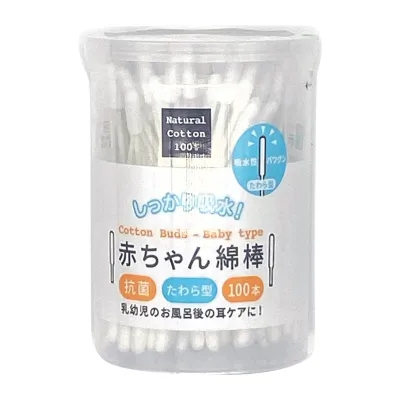
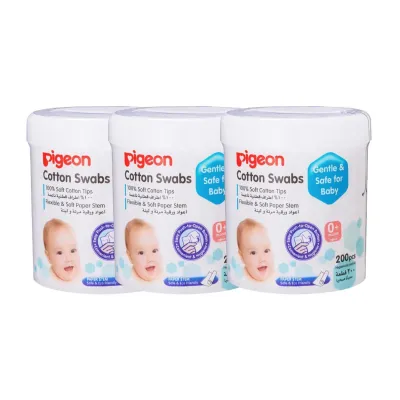
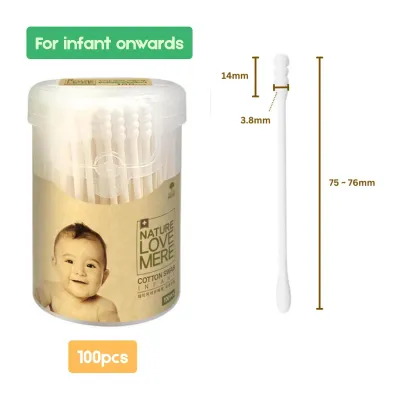
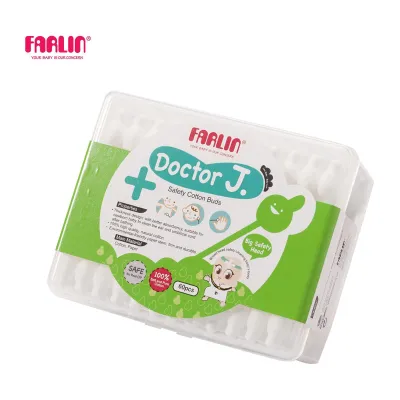
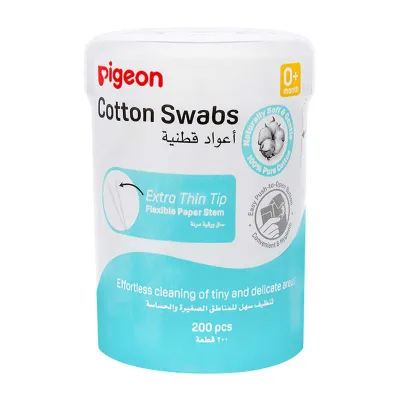
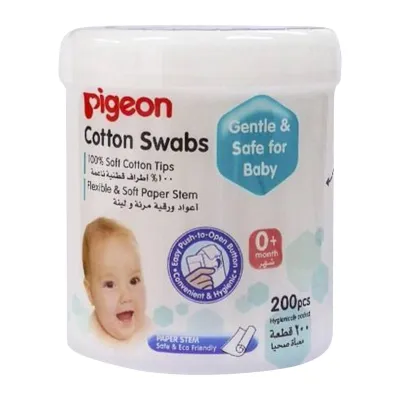
Prices are valid at publication and may change. Please refer to the product page for the latest price.
The human ear canal is designed to clean itself naturally. As your baby sucks, cries, yawns, and moves their jaw, these muscular actions gradually push old earwax from the inner canal toward the outer ear opening. Once the wax reaches the outer ear, it dries up and flakes off unnoticed during regular baths or sleep. Introducing a cotton bud into this pathway disrupts this natural migration process.
When you insert a cotton bud into your baby’s ear canal, the cotton tip acts like a plunger. Instead of extracting the wax, it frequently pushes the soft wax deeper into the narrow canal, compacting it against the eardrum. Over time, this compacted wax can harden, leading to a blockage known as cerumen impaction. This can cause temporary hearing dampening, discomfort, and a higher risk of localized infections.
Furthermore, the physical risks of inserting any object into an infant’s ear are significant. A baby’s ear canal is incredibly short and narrow, and the eardrum is positioned very close to the surface. Because babies are prone to sudden, unpredictable movements, a minor startle or head turn while a cotton bud is inside the ear can cause the tip to puncture or tear the delicate eardrum. Such injuries are highly painful and may require specialized medical intervention to heal.
Recognising Normal Earwax vs. Symptoms That Need a Doctor
Healthy infant earwax can vary widely in appearance, texture, and colour. It is completely normal to see earwax that ranges from light yellow and soft to dark brown and sticky, or even dry and flaky. The appearance often depends on your baby’s genetics, age, and environmental factors. As long as the wax is slowly migrating to the outer ear and your baby is acting normally, there is no need to intervene or attempt to remove it.

However, parents should monitor their baby’s ears for signs that indicate an underlying issue rather than normal wax buildup. If you notice a foul or unusually strong odour coming from the ear, it could point to a bacterial or fungal infection. Similarly, any discharge that is green, thick yellow, or tinged with blood is a clear signal that you should stop home care and consult a doctor immediately.
Because infants cannot verbally communicate ear discomfort, you must rely on behavioural cues to detect potential ear issues. A baby experiencing ear pain or pressure from an infection or severe wax blockage may persistently pull, tug, or rub at their ears. You might also observe unexplained crying, irritability during feeding—as the swallowing motion changes middle-ear pressure and can intensify pain—or a sudden fever. If these signs accompany visible changes in the ear, a professional medical evaluation is necessary.
Safe Step-by-Step Methods for Cleaning the Outer Ear
Maintaining your baby’s ear hygiene is simple and requires only a few basic steps focused entirely on the outer ear, or pinna. The goal is to remove sweat, milk residue, and surface dust that accumulates in the external folds without ever touching the ear canal itself. Incorporating this gentle routine into your baby’s regular bath time is highly effective.
To clean your baby’s outer ears safely, follow this straightforward method:
- Prepare your materials: Gather a clean, soft washcloth and lukewarm water. Avoid using soaps or body washes directly on or near the ear opening, as these can dry out the skin and cause irritation.
- Dampen the cloth: Wet the washcloth with warm water and wring it out thoroughly so it is damp but not dripping wet.
- Wipe the outer ear: Gently wipe the visible outer cartilage of the ear, carefully cleaning the curves and folds of the pinna.
- Clean behind the ear: Pay close attention to the area behind your baby's ear. In warm climates, sweat, drool, and spit-up frequently pool in this crease, which can lead to skin chafing, redness, or yeast buildup if left uncleaned.
- Pat dry: Use a dry, soft towel to gently pat the entire outer ear area dry. Ensuring the skin behind and around the ear is dry helps prevent moisture-related skin irritation.
If you choose to use baby cotton buds, they must be reserved strictly for the outer ear crevices. You can use a dry or slightly damp cotton bud to gently trace the outer folds of the cartilage or to clean the skin crease behind the ear lobe. Always hold your baby’s head securely to prevent sudden movements, and never allow the cotton tip to cross the threshold of the dark ear canal opening.
When to Stop Home Care and Seek Professional Help
There are clear boundaries where home grooming must stop and professional medical care is required. If you suspect that a foreign object has become lodged in your baby’s ear, or if you observe bleeding, clear fluid drainage, or signs of intense pain, do not attempt to resolve the issue yourself. Trying to extract objects or deep wax at home can easily push them further in, compounding the damage.
Parents must avoid using over-the-counter ear drops, ear-clearing kits, olive oil, or home remedies unless specifically instructed to do so by a paediatrician. A baby’s ear structures are highly sensitive, and introducing unprescribed liquids can cause severe irritation or even damage the middle ear if the eardrum has an undetected tear or perforation.
When you visit a clinic, the doctor will use a specialized light tool called an otoscope to safely inspect the ear canal and eardrum. If they detect a significant wax blockage that is affecting your baby’s comfort or preventing a clear view of the eardrum, they can safely remove it. Clinicians use precise, professional methods, such as gentle micro-suction, specialized curettes, or controlled irrigation, ensuring the ear is cleared without risking injury to your baby.
Frequently Asked Questions (FAQ)
Can I use baby cotton buds with a safety shield?
Baby cotton buds designed with a safety shield or a bulbous, widened tip are specifically shaped to prevent deep insertion into the ear canal. While these designs are significantly safer than standard, thin cotton buds for cleaning the outer ear, they do not completely eliminate all risks. If your baby makes a sudden, sharp movement while you are cleaning, even a safety-shielded bud can press against the ear opening, causing discomfort or pushing surface wax slightly backward. They should still be used with extreme caution and kept strictly to the outermost structures of the ear.
How often should I clean my baby's ears?
You do not need to clean your baby’s ears every day. Because the inner ear canal is self-cleaning, daily wiping of the outer ear is generally unnecessary and can strip away the natural oils that protect the skin. Wiping the outer ear and the area behind the ears two to three times a week during bath time is usually sufficient to maintain excellent hygiene. However, if your baby tends to sweat heavily or spits up frequently, you can gently wipe behind the ears daily to prevent moisture buildup and skin irritation.

Community discussion
Share your experience or ask a question. Comments are reviewed before publication.