
Goongbe baby shampoo has gained significant popularity among parents looking for gentle skincare solutions for their infants. However, when it comes to products used on delicate newborn skin, parents naturally want to verify safety claims rather than relying solely on marketing promises. In Singapore, the safety of baby cosmetic products is overseen by the Health Sciences Authority (HSA). To determine if a specific Goongbe shampoo is safe for your baby, you must understand how local regulations work, how to verify the product’s notification status, and how to evaluate its ingredients against your child’s unique skin needs.
Safety is never a one-size-fits-all guarantee, especially for infants whose skin barriers are still developing. While a product may be formulated with mild ingredients, individual sensitivities, improper storage, or counterfeit formulations can still pose risks. By learning how to navigate Singapore’s regulatory framework and conduct your own ingredient checks, you can make an informed decision for your family.
Understanding HSA Safety Standards for Baby Wash Products
In Singapore, baby shampoos, body washes, and other infant toiletries are classified as cosmetic products. Under the Health Products Act, these products are regulated to ensure they do not harm consumers when used under normal conditions. However, the regulatory process for cosmetics is different from that of pharmaceuticals.
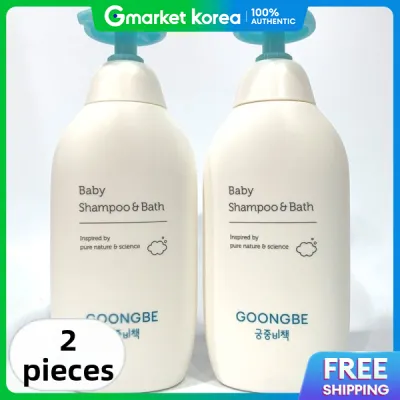
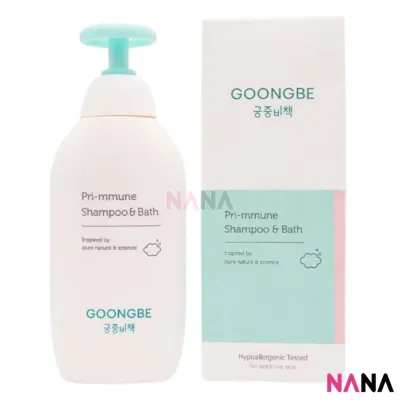
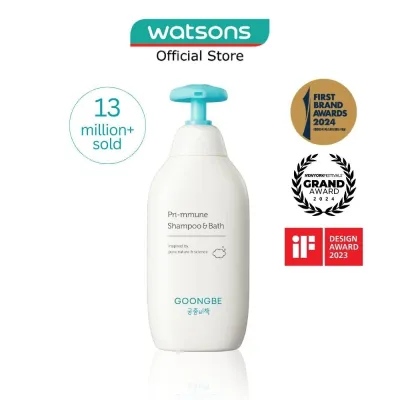
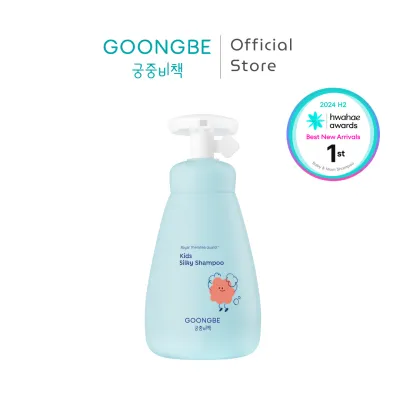
Products mentioned in this guide
![GOONGBE Pri-mmune Bath & Shampoo [Baby care infant bodywash toddler shampoo]](https://img.lazcdn.com/g/p/71401ef8703c4465be516b3cbeb9ad5e.png_400x400q80.png_.webp)
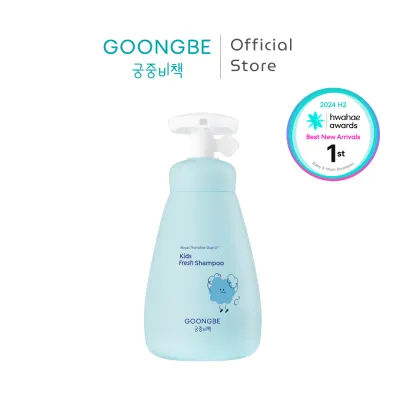
Prices are valid at publication and may change. Please refer to the product page for the latest price.
Instead of a mandatory pre-market approval system—where the government tests and certifies every product before it can be sold—the HSA operates a post-market surveillance and pre-market notification system. Before any cosmetic product can be imported or sold in Singapore, the local company responsible for placing the product on the market must submit a product notification to the HSA. This notification is an administrative requirement that informs the authority of the product’s entry into the market, its ingredients, and the details of the local responsible company.
The post-market surveillance system means that the HSA actively monitors the market for safety issues after products go on sale. This monitoring includes collecting reports of adverse skin reactions from healthcare professionals, conducting random product sampling, and taking swift regulatory action if a product is found to contain prohibited substances. If a product fails to meet safety standards, the HSA will issue public alerts and mandate product recalls.
For infant care products, safety standards are exceptionally stringent. The HSA aligns its regulations with the ASEAN Cosmetic Directive, which maintains a strict list of prohibited, restricted, and permitted substances. Because infant skin is thinner and absorbs substances more readily than adult skin, certain preservatives, colorants, and fragrance allergens are either completely banned or restricted to much lower concentrations in products intended for children under three years of age. Parents can access the official HSA database online to search for notified cosmetic products, allowing them to verify whether a local distributor has officially registered the product before sale.
Step-by-Step Guide to Verifying Goongbe Shampoo Compliance
To ensure the Goongbe shampoo you purchase is compliant with Singapore’s safety standards, you can perform a few straightforward checks on the physical packaging and through official channels. The first step is to inspect the product packaging for a complete ingredient list. Under local regulations, all cosmetic products sold in Singapore must display their ingredients in English using the International Nomenclature of Cosmetic Ingredients (INCI) naming system. If you purchase a bottle that only features foreign text without an English ingredient sticker, it may be an unauthorized parallel import that has bypassed local regulatory notification.

Next, look for the details of the local importer or distributor. Legitimate, HSA-notified products sold in Singapore typically feature a label indicating the name and address of the local company responsible for the product. This company is legally accountable for the product’s safety and compliance. Additionally, check for a clear batch number and an expiration date. These details are vital for tracking the product’s shelf life and are necessary if you ever need to cross-reference the batch during a product recall.
Once you have the product details, you can cross-reference them with official records. You can visit the HSA’s online portal and search the cosmetic product notification database using the brand name “Goongbe” or the specific product name. A successful search confirms that the product has been notified with the HSA by a local responsible company, indicating that the importer has declared compliance with local safety standards.
Finally, always prioritize purchasing baby care products from authorized retailers, official brand stores, or established local pharmacies. While online marketplaces and third-party ecommerce platforms offer convenience, they also host unauthorized parallel importers or unverified sellers. Parallel imports may not have been stored or transported under temperature-controlled conditions, which can cause the preservative systems in baby shampoos to break down, leading to bacterial or fungal contamination. Buying from authorized channels ensures you receive a genuine product that has been handled according to safety guidelines.
Evaluating Ingredients: What to Look For and What to Avoid
When evaluating Goongbe shampoo or any other baby wash, reading the ingredient list is the most reliable way to assess its suitability for your baby’s skin. Infant skin is highly sensitive, meaning certain common cosmetic ingredients should generally be avoided. Harsh surfactants, such as Sodium Lauryl Sulfate (SLS) and Sodium Laureth Sulfate (SLES), are foaming agents that can strip the skin’s natural lipid barrier, leading to dryness, irritation, and redness. Instead, look for milder, plant-derived cleansing agents like Coco-Glucoside, Decyl Glucoside, or Sodium Cocoyl Glutamate, which cleanse gently without disrupting the skin barrier.
Preservatives are essential in water-based shampoos to prevent the growth of harmful bacteria and mold. However, some preservatives are gentler than others. Parents should look out for formaldehyde-releasing preservatives or certain parabens, which are highly restricted in infant products due to irritation risks. Phenoxyethanol is a common preservative used in baby products, but it must be kept within strict concentration limits. Fragrances, whether synthetic or natural, are another common trigger for contact allergies. If your baby has highly reactive skin, choosing a fragrance-free formula is often the safest approach.
Goongbe products are known for incorporating traditional botanical extracts, often marketed as soothing complexes. While plant-derived ingredients like chamomile, oat extract, or centella asiatica can provide excellent soothing and anti-inflammatory benefits, they are not universally risk-free. It is a common misconception that “natural” or “organic” ingredients are automatically safe and hypoallergenic. Natural botanical extracts contain complex chemical structures that can still trigger allergic contact dermatitis in sensitive infants.
If your baby has eczema-prone skin or a diagnosed skin condition, you must be even more cautious. Eczema compromises the skin barrier, making it easier for potential allergens and irritants to penetrate the skin and trigger flare-ups. For babies with eczema, it is advisable to consult a pediatrician or dermatologist before introducing new botanical-heavy shampoos, and to stick to minimalist, fragrance-free formulations specifically tested on eczema-prone skin.
Safe Usage Guidelines and Signs to Discontinue
Even when using a fully compliant and gentle shampoo, proper application techniques are essential to minimize the risk of skin irritation. Always use a minimal amount of shampoo; baby hair is fine and does not require a large volume of product to get clean. Before applying the shampoo to your baby’s scalp, squeeze a small amount onto your wet hands and work it into a gentle lather. This dilutes the product and ensures an even, gentle application rather than placing concentrated surfactant directly onto the baby’s delicate scalp.
During the bath, take care to keep the shampoo away from your baby’s eyes, even if the product is labeled as a “tear-free” formula. Keep bath times relatively short, ideally under ten minutes, and use lukewarm water rather than hot water, as hot water can further dry out and irritate sensitive skin. Most importantly, ensure you rinse the hair and scalp thoroughly with clean water. Any leftover shampoo residue, especially around the hairline, behind the ears, or in the folds of the neck, can dry out and lead to localized skin irritation or cradle cap.
Before using any new shampoo on your baby for the first time, it is highly recommended to perform a simple patch test. Apply a tiny amount of the diluted shampoo to a small, discreet area of your baby’s skin, such as the inner forearm or behind the knee, during bath time, rinse it off, and monitor the area for 24 to 48 hours. If you observe any signs of an adverse reaction—such as localized redness, swelling, tiny red bumps, dry flaky patches, or if your baby scratches the area—discontinue use immediately.
If an adverse reaction occurs, rinse the affected skin thoroughly with cool or lukewarm water to remove any lingering product. Apply a plain, fragrance-free emollient to help soothe and protect the compromised skin barrier. Avoid applying over-the-counter medicated creams or steroid ointments without professional medical guidance. If the rash or irritation does not improve within a few days, spreads to other areas of the body, starts oozing, or causes your baby significant distress, seek professional medical advice from a pediatrician or a pediatric dermatologist to ensure proper diagnosis and treatment.
Frequently Asked Questions (FAQ)
Does regulatory notification mean a product is completely allergy-free?
No, a regulatory notification with the HSA does not mean a product is guaranteed to be allergy-free or hypoallergenic for every infant. The notification process ensures that the product complies with Singapore’s baseline safety standards, meaning it does not contain banned substances and that restricted ingredients are within legal, non-toxic limits. However, individual immune systems and skin barriers vary greatly. A baby can still develop an allergic reaction or contact dermatitis to a fully compliant, high-quality ingredient, including natural botanical extracts. Performing a patch test remains the most reliable way to check for individual compatibility.
How should I react if my baby shows skin irritation after a bath?
If you notice skin irritation, redness, or a rash on your baby after a bath, stop using the suspected shampoo or wash product immediately. Gently rinse your baby’s skin with clean, lukewarm water to ensure no product residue remains on the skin. Pat the skin dry gently with a soft, clean towel without rubbing. Apply a generous layer of a plain, fragrance-free baby moisturizer or emollient to soothe the skin and support barrier recovery. Monitor the irritation closely over the next 24 hours. If the redness worsens, spreads, develops blisters, or if your baby seems highly uncomfortable, consult a doctor or pediatrician for a professional evaluation.

Community discussion
Share your experience or ask a question. Comments are reviewed before publication.