
Is Desitin Diaper Cream Safe for Newborns?
Newborn skin is incredibly delicate. At birth, the skin barrier is still developing, making it thinner, more sensitive, and more permeable than adult skin. This vulnerability makes diaper care a top priority for new parents, especially when trying to prevent or treat diaper dermatitis, commonly known as diaper rash.
Desitin (frequently searched or spelled as Destin) is one of the most widely recognized diaper cream brands. While it is generally considered safe for newborns from day one, safety is not an absolute guarantee. Whether a specific tube is suitable for your baby depends heavily on the product variant you choose, the current state of your baby’s skin, and individual skin tolerance.
Standard pediatric guidelines often recommend zinc oxide-based barrier creams as a safe and effective way to protect newborn skin. However, because formulations can differ significantly, parents must always check the specific product packaging for age recommendations, usage instructions, and potential allergen warnings.
Products mentioned in this guide
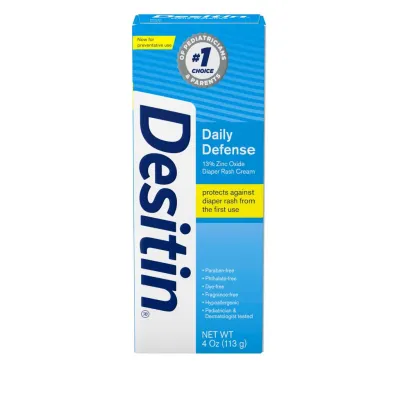
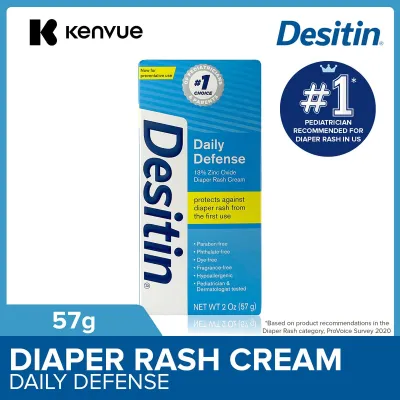
![[Bundle of 3] Desitin Daily Defense Diaper Rash Protection Cream Instantly Soothe Diaper Rash Discomfort 57g](https://img.lazcdn.com/g/p/b74ae21f7b47f8ec6b2c02dbfd829fc2.jpg_400x400q80.jpg_.webp)
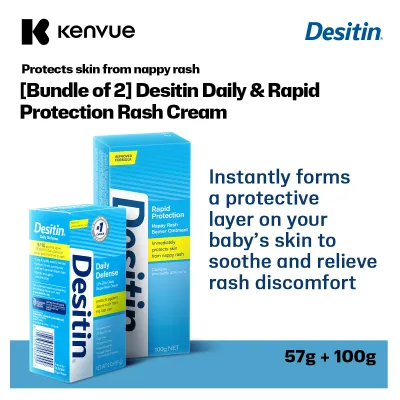
Prices are valid at publication and may change. Please refer to the product page for the latest price.
Before applying any diaper cream to a newborn for the first time, consulting a pediatrician is highly recommended. This is particularly crucial if your baby has a family history of severe allergies, eczema, or highly reactive skin. Understanding the nuances of these creams ensures you can protect your baby’s skin without causing unintended irritation.
Key Ingredients and How They Affect Newborn Skin
To understand how Desitin works, it is essential to look at its primary active ingredient: zinc oxide. Zinc oxide is a mineral compound that acts as a physical barrier. Unlike some skincare ingredients that absorb deep into the skin, zinc oxide sits on top of the stratum corneum, which is the outermost layer of the skin. This physical layer blocks moisture, enzymes from stool, and friction from the diaper from directly contacting the baby’s skin. Because it is not absorbed into the bloodstream, pediatricians widely consider zinc oxide a safe active ingredient for very young infants.

However, Desitin comes in different formulations, and the concentration of zinc oxide varies. The daily prevention formula (often referred to as Daily Defense or Rapid Relief, typically in a blue tube) usually contains around 10% zinc oxide. This lower concentration makes the cream smoother, easier to apply, and simpler to wipe away during regular diaper changes. In contrast, the maximum strength formula (typically in a purple tube) contains 40% zinc oxide. This higher concentration creates a much thicker, pasty barrier designed to treat active, severe diaper rashes. While highly effective at blocking moisture, this thick paste can be difficult to remove, requiring more physical friction during cleanup, which can inadvertently irritate a newborn’s fragile skin.
Beyond the active ingredient, the inactive ingredients in diaper creams require careful scrutiny. A newborn’s skin is highly permeable, meaning it can absorb topically applied substances more readily than older children or adults. Many diaper creams contain inactive ingredients such as fragrances, preservatives, parabens, lanolin, or botanical extracts. While these ingredients may provide a pleasant scent or extend shelf life, they are also the most common culprits behind localized skin irritation or allergic contact dermatitis.
Parents in Singapore should be particularly diligent about verifying the exact ingredient list on the specific tube or tub they purchase. Formulations can vary by region, and products imported through parallel channels or different distributors may contain different preservatives or inactive ingredients than those sold in other markets. Always review the packaging of the product in your hands to ensure it is free from unnecessary chemical additives, artificial fragrances, or potential allergens.
Because a newborn’s skin barrier is still maturing during the first few weeks of life, minimizing exposure to complex chemical formulations is a prudent approach. Choosing a fragrance-free, hypoallergenic option for daily use helps maintain the natural integrity of the skin while still providing the necessary physical protection against wetness.
Potential Risks, Allergies, and Side Effects
Although zinc oxide itself is low-risk, no skincare product is entirely free of potential side effects for every individual baby. One of the primary risks when using any topical cream on a newborn is the development of contact dermatitis or an allergic reaction. This is typically not caused by the zinc oxide itself, but rather by the inactive ingredients, such as fragrances or preservatives, present in the cream.
Parents should monitor their newborn’s skin closely for visual and behavioral signs of an adverse reaction. Visual indicators include worsening redness that spreads beyond the area of the diaper rash, the appearance of small hives, blistering, peeling, or dry, cracked skin where the cream was applied. Behaviorally, a baby might show signs of extreme discomfort, fussiness, or crying during or immediately after the cream is applied. If you observe any of these signs, it is vital to stop using the product immediately and seek guidance from a healthcare professional.
Another common risk associated with heavy barrier creams is the accidental trapping of moisture, bacteria, or yeast. Because barrier creams are designed to block moisture from entering the skin, they are equally effective at blocking moisture from leaving the skin. If a caregiver applies a thick layer of cream over skin that is still slightly damp from a wipe or bath, that moisture becomes trapped against the skin. This damp, warm environment is highly conducive to the overgrowth of bacteria or Candida (yeast), which can rapidly turn a mild diaper irritation into a severe, painful infection.
Additionally, applying thick creams too heavily in the deep skin folds of a newborn can lead to blocked pores or folliculitis. Newborns have undeveloped sweat glands, and in warm, humid climates like Singapore’s, heat and sweat can easily accumulate in the groin and thigh creases. When these areas are heavily coated with an occlusive paste, it can prevent the skin from breathing, leading to localized heat rashes or clogged hair follicles.
If you suspect your baby is experiencing an adverse reaction to a diaper cream, there are simple, low-risk steps you can take immediately. First, stop using the product. Gently cleanse the diaper area using only lukewarm water and a soft, clean cloth or cotton wool to remove any remaining cream. Avoid rubbing the skin; instead, gently pat the area completely dry with a clean towel. Allow the baby’s skin to breathe without any creams or tight diapers, and monitor the skin closely. If the irritation does not subside or continues to worsen, consult a pediatrician.
Best Practices for Safely Applying Diaper Cream on Day One
To maximize the protective benefits of diaper cream while minimizing risks, establishing a safe and consistent application routine is essential. The first and most critical step is proper preparation of the skin. Before any cream touches your newborn’s skin, the area must be thoroughly clean and completely dry. After gently cleaning the skin with alcohol-free, fragrance-free wipes or lukewarm water, allow the skin to air dry for a few moments, or gently pat it dry with a clean, dry cloth. Applying a barrier cream over even slightly damp skin defeats the purpose of the barrier and risks trapping moisture.
When applying the cream, gentleness is paramount. The newborn epidermis is incredibly thin and easily damaged by friction. Instead of rubbing the cream into the skin as you would with a lotion, apply it in a thick, even layer over the areas prone to redness or wetness. This technique is often compared to “frosting a cake.” The cream should form a visible physical layer that shields the skin from the diaper and its contents. You do not need to rub it in until it disappears; a visible layer is exactly what provides the physical protection.
While barrier creams are excellent tools, they should not be the sole line of defense against diaper rash. Frequent diaper changes are the single most effective way to prevent irritation. Newborns urinate and pass stool frequently, and leaving a wet diaper on for too long is the primary trigger for diaper dermatitis. In addition to frequent changes, incorporating “diaper-free time” into your daily routine can significantly benefit your baby’s skin. Laying your baby on a clean, waterproof pad or towel for short periods without a diaper allows natural airflow to keep the skin dry and healthy, reducing the need for heavy, daily applications of thick barrier creams.
Caregiver hygiene is another crucial component of safe diaper cream application. Always wash your hands thoroughly with soap and water before beginning a diaper change, and wash them again immediately afterward. Newborns have sensitive genital and anal areas that are highly susceptible to infections. By maintaining strict hand hygiene, you prevent the introduction of harmful pathogens from your hands to your baby’s delicate skin.
Special care must also be taken regarding the umbilical cord stump during the first couple of weeks. The umbilical cord stump must be kept clean and dry to prevent infection and encourage it to fall off naturally. When applying diaper cream, ensure that you keep the product well away from the umbilical cord area. Applying thick, moisture-blocking creams near or on the stump can trap moisture, delay the drying process, and increase the risk of localized infection. Keep the diaper folded down below the stump to keep it exposed to the air and free from cream.
When to Stop Use and Consult a Pediatrician
While mild diaper irritation is common and often manageable at home, parents must be able to recognize when a rash has progressed beyond standard diaper dermatitis and requires professional medical attention. Knowing when to stop using over-the-counter barrier creams and consult a pediatrician is vital for your newborn’s health and comfort.
There are several clear red flags that indicate a diaper rash requires evaluation by a doctor. If you have been consistently applying a zinc oxide barrier cream and practicing good diaper hygiene, but the rash does not improve or continues to worsen after 2 to 3 days, it is time to seek professional advice. Additionally, if the rash spreads beyond the immediate diaper area—such as onto the baby’s abdomen, back, or upper thighs—or if the affected skin feels unusually warm to the touch, this suggests a more systemic or severe inflammatory response that needs medical assessment.
Parents should also watch for signs of secondary bacterial or fungal infections. A bacterial infection may present with pus-filled blisters, weeping sores, oozing fluid, or crusty yellow patches on the skin. If your baby develops a fever alongside a diaper rash, or if they seem unusually lethargic or inconsolable, these are urgent signs that require immediate medical attention.
Fungal infections, particularly yeast infections caused by Candida, are another common complication. A yeast diaper rash typically presents as a bright red, raw-looking rash with distinct, small red spots (known as satellite lesions) spreading outward from the main rash area. Unlike standard diaper rash, a yeast infection will not respond to over-the-counter zinc oxide barrier creams. In fact, applying heavy barrier creams over a yeast infection can sometimes make it worse by trapping moisture. Treating a yeast infection requires a specific antifungal medication prescribed by a pediatrician.
It is critical that parents never attempt to self-diagnose a severe diaper rash or experiment with various treatments. Avoid mixing prescription creams, over-the-counter barrier creams, or hydrocortisone creams without explicit medical advice. Furthermore, do not use home remedies, herbal ointments, or alternative treatments on a newborn’s skin unless they have been thoroughly reviewed and cleared by your pediatrician. A professional evaluation ensures your baby receives the correct, safe, and effective treatment for their specific condition.
Frequently Asked Questions (FAQ)
Can I use Desitin on a newborn's face or other body parts?
Diaper creams like Desitin are specifically formulated to be highly occlusive and thick to withstand the wet environment of a diaper. Because of this, they are generally too heavy, comedogenic (pore-clogging), and potentially irritating for a newborn’s delicate facial skin or sensitive neck folds. The skin on a baby’s face is much thinner and more prone to baby acne or milia, which can be exacerbated by thick mineral barriers. If your baby has dry patches, drool rash, or irritation on their face or neck, it is best to consult a pediatrician for a suitable, lightweight facial moisturizer or treatment rather than applying diaper cream.
Does Desitin expire, and is it safe to use past the expiration date?
Yes, diaper creams do expire, and it is not recommended to use them past their expiration date. Over time, the active ingredients, such as zinc oxide, can settle or degrade, reducing the cream’s effectiveness as a protective barrier. More importantly, the preservatives in the formula can break down over time. Once the preservatives lose their efficacy, the cream becomes vulnerable to bacterial or fungal contamination, especially if you frequently dip your fingers into a tub. Using expired cream on a newborn’s delicate skin increases the risk of introducing pathogens. Always check the expiration date printed on the crimp of the tube or the bottom of the tub, and discard any expired products safely.
Should I wipe off all the Desitin during every diaper change?
One of the most common dilemmas for new parents is whether to scrub off every trace of diaper cream during a change. Aggressively wiping or scrubbing the skin to remove all the remaining cream can cause significant friction damage to a newborn’s fragile epidermis, worsening any existing irritation. Standard pediatric guidance suggests that if the diaper is only wet or contains a minor mess, you do not need to wash off all the clean, white cream. Instead, gently wipe away the soiled top layer and reapply a fresh layer of cream over the remaining clean barrier. However, if the baby has passed a stool or if the area is heavily soiled, a thorough but gentle wash with lukewarm water and a soft cloth is necessary before patting dry and reapplying the cream.

Community discussion
Share your experience or ask a question. Comments are reviewed before publication.