
Childs Farm conditioner is a popular choice for parents in Singapore seeking gentle hair care solutions for their children. When evaluating whether this product is “HSA approved,” it is essential to understand how the Health Sciences Authority (HSA) regulates cosmetic products in Singapore. Unlike prescription medications or medical devices, cosmetic products—including baby shampoos, body washes, and hair conditioners—do not undergo a rigorous pre-market approval process by the HSA. Instead, the regulatory framework requires local importers or manufacturers to submit a product notification before placing these items on the market.
This means that while a Childs Farm conditioner will not carry an official “HSA approval” stamp, it must have an active notification status to be legally sold in Singapore. This notification serves as a declaration by the importer that the product complies with local safety standards and ingredient guidelines. For parents, verifying this regulatory status and understanding how to read the product label are crucial steps in ensuring the safety and authenticity of the hair care products they choose for their children.
How to Verify HSA Approval for Childs Farm Conditioner
To verify whether a specific bottle of Childs Farm conditioner is legally notified for sale in Singapore, parents can utilize the official HSA online portal. The HSA maintains a public database known as the Class II Cosmetic Product Notification list, which is accessible through the HSA InfoSearch tool. By entering the exact brand name and product description into the search fields, you can check if a local distributor has registered the product.
Products mentioned in this guide
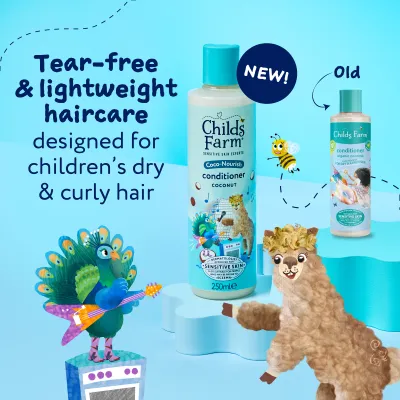
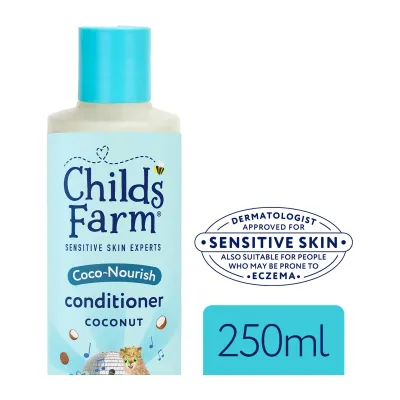
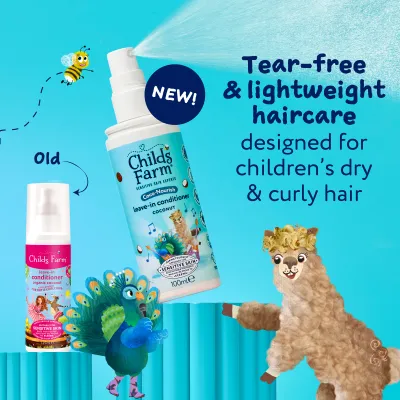
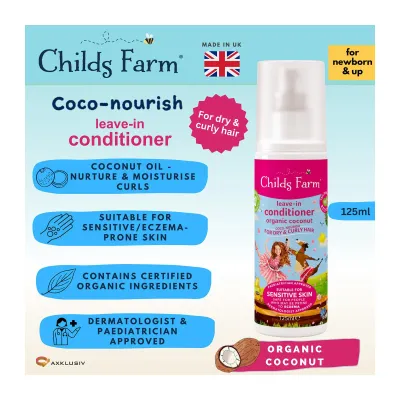
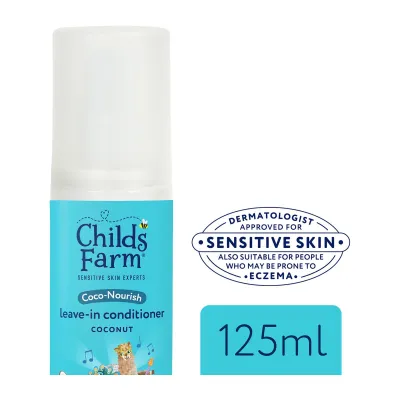
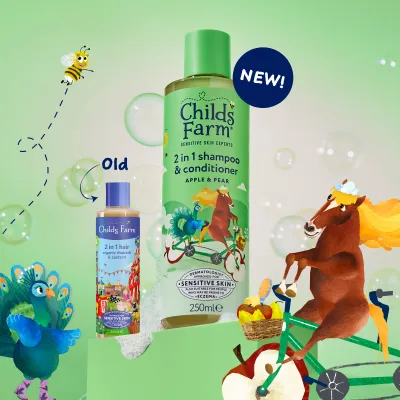
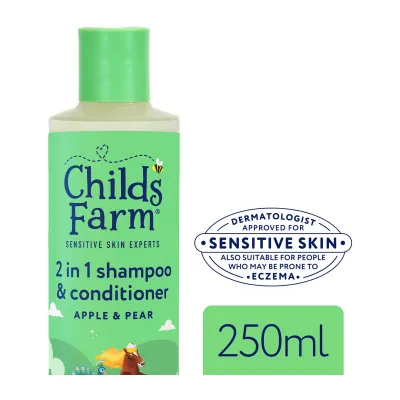
Prices are valid at publication and may change. Please refer to the product page for the latest price.
When conducting this search, it is important to look for the specific variant of the conditioner you plan to purchase. Childs Farm produces several different formulations, such as those scented with strawberry and organic mint or organic fig, as well as fragrance-free options. Because each variant contains a unique blend of ingredients, every single formulation must have its own distinct and active notification in the HSA database. If a particular variant does not appear in the search results, it may not be authorized for sale through official distribution channels.
Next, examine the physical packaging of the conditioner to cross-reference it with the database information. Legally imported cosmetic products in Singapore are typically required to display the name and address of the local importer or distributor on the label. Additionally, look for a batch number, manufacturing date, and an expiration date printed on the bottle. If you purchase a bottle from an online marketplace or an unauthorized seller and find that this importer information is missing, the product may be a parallel import or a counterfeit that has bypassed local regulatory checks.
Understanding the distinction between a product notification and a clinical safety approval is vital for consumer safety. An active HSA notification indicates that the importer has declared the product’s compliance with safety regulations, but it does not mean the HSA has independently tested or endorsed the product’s efficacy. The ultimate responsibility for maintaining product quality and safety lies with the manufacturer and the local company that submitted the notification.
Evaluating the Ingredient Label for Child-Safe Formulations
Even when a conditioner has an active HSA notification, parents must still evaluate the ingredient label to ensure it is suitable for their child’s skin. The International Nomenclature of Cosmetic Ingredients (INCI) list, usually located on the back of the bottle, provides a complete breakdown of what is inside the formulation. Reviewing this list is particularly important if your child has a history of eczema, cradle cap, or highly reactive skin.

Many children’s hair care brands feature dermatological or pediatric testing claims on their packaging to reassure parents of their mildness. While these claims indicate that the product has undergone safety evaluations under the supervision of specialists, they do not guarantee that the product is entirely risk-free. These tests are generally conducted on small, controlled groups of volunteers, meaning that individual sensitivities or allergic reactions can still occur in daily use.
When inspecting the ingredient list of a Childs Farm conditioner, look for the absence of harsh synthetic chemicals that are known to cause skin irritation. Mild formulations designed for young children typically avoid strong surfactants like sodium lauryl sulfate (SLS) or sodium laureth sulfate (SLES), which can strip the scalp of its natural oils. Additionally, check for the absence of parabens, which are synthetic preservatives, and artificial colorants that serve no functional purpose other than aesthetic appeal.
Instead, look for gentle, plant-derived conditioning agents and mild preservatives that keep the product stable without irritating the skin. If your child has known botanical allergies, pay close attention to the natural extracts and essential oils listed on the label. While natural ingredients are often marketed as safer alternatives, botanical extracts such as tea tree, lavender, or citrus oils can still trigger allergic contact dermatitis in sensitive individuals.
Best Practices for Introducing New Hair Care Products to Children
Introducing a new hair care product into your child’s bath routine should always be done with care to minimize the risk of a widespread skin reaction. Before applying the conditioner to your child’s entire head, perform a simple patch test. Apply a small, pea-sized amount of the product to a clean, discreet area of skin, such as the inside of the elbow or the upper arm, and leave it on for twenty-four hours while monitoring for any signs of redness, swelling, or itching.
If the patch test does not produce any adverse reactions, you can begin using the conditioner during regular bath times. Adjust the amount of product and the frequency of use based on your child’s specific hair texture, length, and age. Fine, straight toddler hair generally requires only a tiny, dime-sized amount applied to the very ends of the hair, whereas thick, curly, or coarse hair may require a slightly larger amount distributed evenly through the mid-lengths.
When applying the conditioner, focus the product on the hair shafts and ends rather than massaging it directly into the scalp. This application method helps prevent the accumulation of conditioning agents on the delicate scalp skin, which can lead to clogged pores, buildup, or localized irritation. Always supervise your child closely during application to ensure they do not accidentally rub the product into their eyes or mouth.
Thorough rinsing is a critical final step in the conditioning process to prevent residue from lingering on the skin. Use clean, lukewarm water to rinse the hair completely until the water runs clear and the hair no longer feels slippery. In Singapore’s warm and humid climate, residual conditioner left on the neck, shoulders, or scalp can trap sweat and bacteria, potentially leading to heat rash or contact irritation.
Signs of Adverse Reactions and When to Discontinue Use
Despite taking all necessary precautions, some children may still experience adverse reactions to new hair care products. Parents should remain vigilant for early signs of contact dermatitis or scalp irritation during and after use. These symptoms typically present as localized redness, swelling, small bumps, or a dry, flaking scalp that causes the child to scratch frequently due to itching or discomfort.
If you observe any of these signs, take immediate action to mitigate the reaction and protect your child’s skin. Discontinue the use of the conditioner immediately and rinse the affected area thoroughly with cool or lukewarm water to remove any remaining product residue. Avoid using harsh soaps, scented body washes, or other potential irritants on the inflamed skin, as these can worsen the irritation.
Keep the affected skin clean and dry, and monitor the symptoms closely over the next few days to see if they subside. In many cases, mild contact irritation will resolve on its own once the triggering product is completely removed from the child’s routine. Do not apply over-the-counter medicated creams, steroid ointments, or home remedies to your child’s scalp or skin without consulting a healthcare professional first.
You should consult a pediatrician or a qualified dermatologist if the skin reaction does not improve within a few days, or if the symptoms begin to worsen. Seek immediate medical attention if your child develops severe symptoms, such as widespread hives, swelling of the face, lips, or tongue, difficulty breathing, or if the irritated skin shows signs of infection like oozing, crusting, or increased warmth.
Frequently Asked Questions (FAQ)
Does HSA approval guarantee a product will not cause allergic reactions?
An active notification with the HSA does not guarantee that a product will be completely free of allergic reactions for every child. The HSA notification process ensures that the product’s ingredients comply with safety regulations and do not contain banned substances. However, because children have unique immune systems and skin sensitivities, a child can still experience an allergic reaction to permitted botanical extracts, fragrances, or preservatives.
Can I use adult conditioner if a child-specific product is unavailable?
It is generally not recommended to substitute adult hair care products for child-specific formulations. Adult conditioners often contain stronger surfactants, heavy silicones, intense synthetic fragrances, and active ingredients designed for mature hair and scalp types. These formulations can easily strip the natural oils from a child’s delicate scalp, leading to dryness, irritation, and an increased risk of contact dermatitis.
How often should I condition my toddler's hair?
The frequency of conditioning depends largely on your toddler’s hair type and the local environment. For fine or straight hair, conditioning once or twice a week is usually sufficient to prevent tangles without weighing the hair down. For curly, coarse, or very dry hair, you may need to condition more frequently. In Singapore’s humid climate, adjust the frequency to avoid heavy product buildup, which can trap sweat and irritate the scalp.

Community discussion
Share your experience or ask a question. Comments are reviewed before publication.