
Introducing solid foods is an exciting milestone in your baby’s first year, and cheese often stands out as a versatile, nutrient-dense option to add to the menu. Generally, babies can safely start eating cheese from around six months of age, provided they have shown the necessary signs of developmental readiness for solids. However, because an infant’s digestive and renal systems are still maturing, offering cheese requires careful attention to specific safety factors. Parents must learn to navigate sodium levels, verify pasteurization, select appropriate textures to prevent choking, and monitor closely for potential dairy allergies. By understanding these key safety checks, you can confidently introduce cheese as a healthy component of your baby’s balanced diet.
When Can Babies Start Eating Cheese?
Most pediatric guidelines suggest that solid foods, including cheese, can be introduced around six months of age. At this stage, breast milk or formula remains the primary source of nutrition, but complementary foods help introduce new textures and nutrients. While whole cow’s milk as a drink should be avoided until twelve months due to its nutritional balance and potential to irritate an infant’s stomach, cheese is processed differently. The fermentation and curing processes break down some of the proteins and lactose, making it easier to digest in small, solid portions.
Before offering cheese, ensure your baby displays key developmental readiness signs. Your baby should be able to sit upright with minimal support and maintain good head and neck control. They should also show active interest in food, such as reaching for your plate or opening their mouth when food is offered. Another crucial sign is the disappearance of the tongue-thrust reflex, which naturally pushes solid objects out of the mouth. If your baby still pushes food out with their tongue, their oral motor skills may not be ready for textured foods like cheese.
Products mentioned in this guide
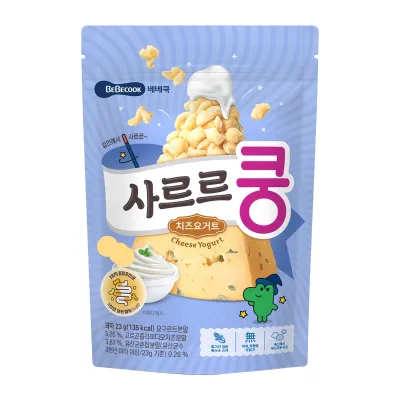
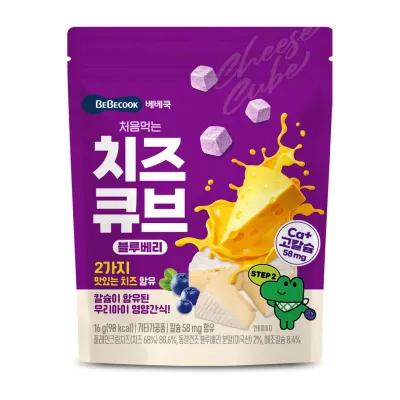
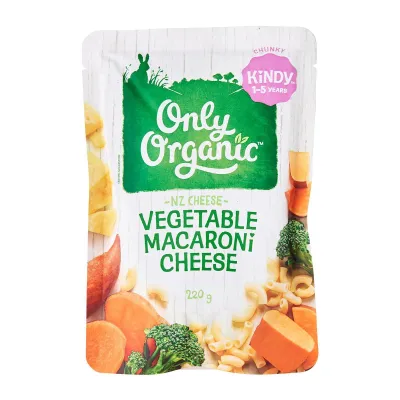
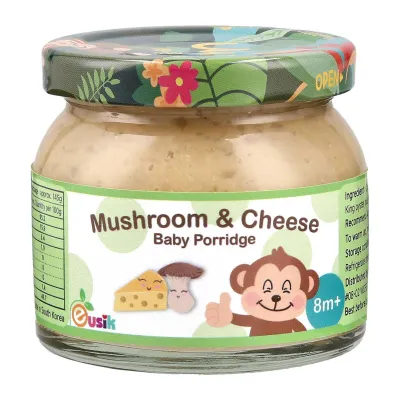
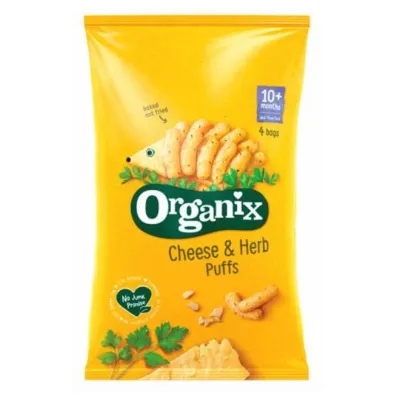
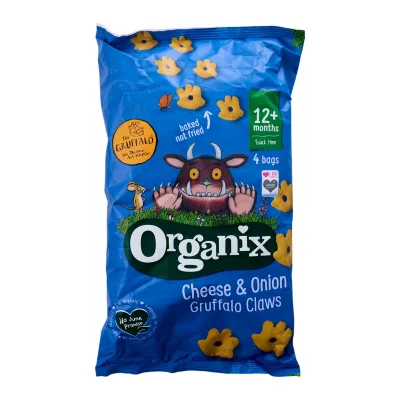
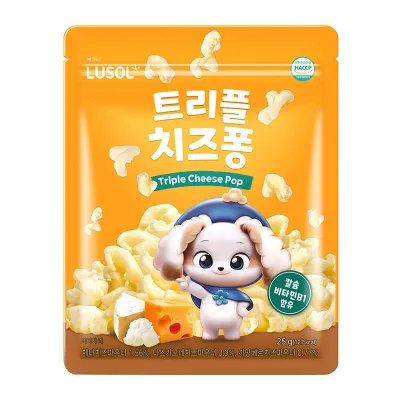
Prices are valid at publication and may change. Please refer to the product page for the latest price.
As you introduce cheese, progress the texture gradually to match your baby’s developing chewing skills. Start with very finely grated cheese or a thin smear of pasteurized spread mixed into a familiar puree. Grated cheese melts easily in the mouth when mixed with warm foods, reducing the physical effort required to swallow. As your baby masters the pincer grasp—usually between eight and ten months—you can transition to small, soft, paper-thin slices or tiny, crumbled pieces. Avoid offering large, hard cubes of cheese, as these require advanced grinding skills that babies do not yet possess.
Key Safety Checks: Sodium, Pasteurization, and Choking Risks
When shopping for cheese in Singapore supermarkets, reading the nutrition information panel is your first line of defense. An infant’s kidneys are still developing and cannot efficiently process high amounts of sodium. Many commercial cheeses, especially processed varieties, contain elevated sodium levels used for preservation and flavor. When comparing packages, look for options with the lowest sodium content per serving. Naturally lower-sodium cheeses, or those specifically labeled with reduced sodium, are much gentler on your baby’s renal system.

Verifying pasteurization is an absolute safety requirement when selecting cheese for infants. Unpasteurized or raw milk cheeses can harbor harmful bacteria, such as Listeria monocytogenes, which pose severe health risks to infants with developing immune systems. Always inspect the ingredient list and packaging labels carefully to ensure the product is explicitly marked as made from pasteurized milk. In Singapore’s warm tropical climate, proper food storage is also essential; always refrigerate cheese promptly and check for any signs of spoilage before serving. If a label does not clearly state that the milk is pasteurized, it is safest to leave it on the shelf.
Choking is a primary concern when introducing any solid food, and the dense, sticky texture of cheese requires specific preparation techniques. To minimize physical hazards, never feed your baby large chunks, thick blocks, or round shapes of cheese. For younger babies starting solids, grating the cheese is the safest method because the small shreds do not form a solid block in the airway. For older babies practicing self-feeding, cut soft cheese into thin, bite-sized strips about the size of an adult finger, or crumble it into tiny, manageable pieces. Always supervise your baby actively during meals, ensuring they are seated upright in a secure high chair, and never leave them unattended while eating.
Spotting and Managing Dairy Allergies and Intolerances
Introducing dairy requires a cautious approach to identify potential adverse reactions early. It is important to distinguish between a true cow’s milk protein allergy and lactose intolerance, as they involve entirely different bodily systems. A milk protein allergy is an immune system response to the proteins found in dairy, which can be severe and require immediate medical attention. Lactose intolerance, on the other hand, is a digestive issue caused by the body’s inability to break down lactose, the natural sugar in milk, resulting in discomfort but not a systemic allergic reaction.
When you introduce cheese, watch closely for common observable signs of an allergic reaction. These symptoms can appear within minutes or up to a few hours after consumption. Skin reactions may include hives, redness, swelling around the mouth or eyes, or a sudden flare-up of eczema. Digestive signs can manifest as vomiting, severe diarrhea, or abdominal pain, while respiratory symptoms might include wheezing, coughing, or difficulty breathing. If you observe any mild symptoms, stop feeding the cheese immediately and consult your pediatrician or an allergist for guidance.
To isolate potential triggers, follow the standard practice of introducing single-ingredient foods one at a time. When offering cheese for the first time, do not introduce any other new foods on the same day or for the subsequent three to five days. This waiting period allows you to monitor your baby’s skin, digestion, and behavior closely, making it much easier to identify cheese as the source of any reaction. If your baby shows signs of a severe allergic reaction, such as swelling of the lips or tongue, wheezing, or lethargy, seek emergency medical care immediately.
How to Choose and Serve Suitable Cheese for Your Baby
Selecting the right cheese involves balancing nutritional benefits with safety considerations. Look for cheeses that provide high-quality calcium and healthy fats, which are essential for your baby’s rapid bone development and brain growth. Avoid low-fat or diet cheeses, as infants require dietary fats to support their energy needs and overall development. Additionally, check the ingredient list to ensure the cheese contains minimal additives, artificial colorings, or preservatives, opting instead for simple, natural ingredients.
Certain cheese varieties are naturally better suited for infants due to their mild flavor, soft texture, and lower sodium content. Swiss cheese, ricotta, cottage cheese, and mild cheddar are excellent starting options because they are generally pasteurized and can be easily prepared in safe textures. Conversely, there are several types of cheese you should strictly avoid. Mold-ripened cheeses like blue cheese, brie, and camembert carry a higher risk of bacterial contamination and should not be given to babies. Highly processed cheese spreads, singles, and processed blocks should also be avoided due to their high sodium and additive content.
Serving cheese can be integrated into your baby’s meals in several simple, age-appropriate ways. For babies just starting solids, you can stir a spoonful of pasteurized ricotta or cottage cheese directly into vegetable purees, such as pumpkin or sweet potato, to add creaminess and protein. For older babies who are comfortable with finger foods, try melting a very thin layer of mild cheddar onto a strip of whole-grain toast, allowing it to cool completely before serving. You can also offer tiny, individual shreds of grated mozzarella on their high chair tray, which encourages them to practice their fine motor skills and pincer grasp while enjoying a safe, nutritious snack.
Frequently Asked Questions (FAQ)
Can babies eat cream cheese or processed cheese slices?
While cream cheese is generally pasteurized and safe in terms of bacterial risk, it is important to read the nutrition label carefully before serving. Many commercial cream cheeses and processed cheese slices contain high levels of sodium, emulsifiers, and artificial preservatives that are not suitable for an infant’s developing digestive system. Processed cheese slices, in particular, are highly manufactured and often lack the nutritional density of natural block cheeses. If you choose to offer cream cheese, select a plain, full-fat, pasteurized version with no added salt or flavorings, and spread it very thinly on a safe carrier food like a soft toast strip.
What is the difference between gagging and choking on cheese?
Understanding the difference between gagging and choking is vital for keeping your baby safe and maintaining a calm feeding environment. Gagging is a normal, loud, and active safety reflex that helps prevent food from entering the airway; your baby may cough, sputter, or make retching sounds, and their face may turn slightly red. In contrast, choking occurs when the airway is partially or completely blocked, and it is silent and life-threatening. A choking baby cannot cry, cough effectively, or breathe, and their skin or lips may begin to turn blue. Always ensure your baby sits fully upright, supervise them closely, and learn infant first aid so you know exactly when to step in or when to let them clear the food naturally.
Does eating cheese cause constipation in babies?
Cheese is a low-fiber, high-fat food, which means consuming it in large quantities can sometimes slow down an infant’s digestion and contribute to constipation. To prevent digestive discomfort, always offer cheese in moderation and balance it with high-fiber foods. Pair cheese with fiber-rich fruits like pears or prunes, vegetables like broccoli, and ensure your baby is receiving adequate hydration from breast milk, formula, or small sips of water if they are over six months old. If your baby experiences persistent constipation, hard stools, or discomfort during bowel movements, temporarily reduce their cheese intake and consult your pediatrician for personalized dietary advice.

Community discussion
Share your experience or ask a question. Comments are reviewed before publication.