
When choosing bathing products for your child’s sensitive skin, understanding local regulatory standards and safety profiles is essential. In Singapore, daily bathing washes, including those from the Cetaphil Kids range, are classified as cosmetic products. This means they do not receive a formal “HSA certified” seal or therapeutic approval from the Health Sciences Authority (HSA). Instead, these products must comply with local cosmetic regulations, which require importers or manufacturers to submit a product notification before sale.
Determining whether a specific wash is safe for your child’s daily routine involves more than looking for a certification stamp. It requires verifying the product’s notification status, understanding how to read the ingredient label, and observing how your child’s unique skin barrier responds to the formulation. By taking a systematic approach to product selection and application, you can confidently support your child’s skin health while minimizing the risk of irritation.
Understanding HSA Regulation for Children's Bathing Products
To make informed purchasing decisions, parents must understand how the Health Sciences Authority (HSA) regulates personal care items in Singapore. The HSA categorizes daily hygiene products, such as children’s body washes, shampoos, and bubble baths, under cosmetic products rather than therapeutic goods or medical devices. Consequently, these items do not undergo the rigorous pre-market evaluation, clinical testing, or formal registration processes reserved for prescription medicines or specialized dermatological treatments.
Products mentioned in this guide
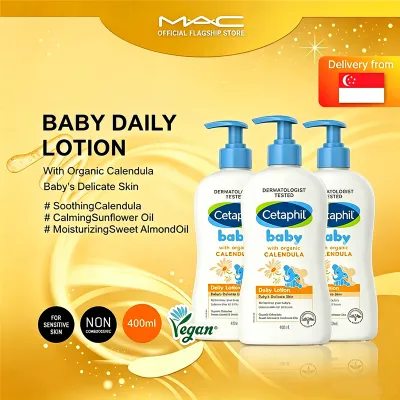
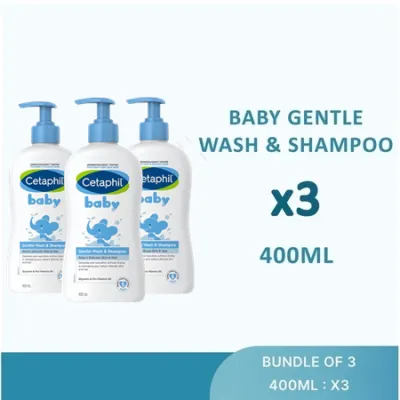
![SG [3pcs/5pcs] Cetaphil Baby Wash &Shampoo 400ml With Calendula EXP2028](https://img.lazcdn.com/g/p/b60c0f3944b1339db4373c18c1c76b24.jpg_400x400q80.jpg_.webp)
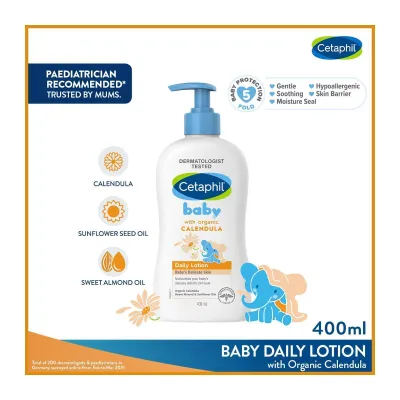
![Cetaphil Baby Wash & Shampoo with Organic Calendula and Sunflower Seed Oil 400ML [Gentle & Hypoallergenic] Bath Gel](https://img.lazcdn.com/g/p/e6e531bcf89c8264e607e7de5f8bb93e.jpg_400x400q80.jpg_.webp)
Prices are valid at publication and may change. Please refer to the product page for the latest price.
Instead of issuing a safety certification, the HSA operates a post-market surveillance system coupled with a mandatory pre-market notification requirement. Before any cosmetic product can be supplied or sold in Singapore, the local importer, distributor, or manufacturer must submit a cosmetic product notification to the HSA. This notification serves as an official declaration that the product complies with safety guidelines, does not contain prohibited substances, and is manufactured under acceptable quality standards. It does not, however, constitute an endorsement or guarantee of absolute safety by the regulatory authority.
Under this regulatory framework, the primary responsibility for product safety, quality, and label accuracy rests with the company that markets the product locally. Importers and distributors must ensure that the formulations comply with the ASEAN Cosmetic Directive, which outlines restricted ingredients, maximum allowable concentrations, and mandatory warning labels. The HSA monitors the market through random sampling, product testing, and investigating adverse reaction reports submitted by healthcare professionals or consumers. This system allows the authority to quickly recall non-compliant or contaminated products from retail shelves.
How to Verify Product Compliance and Ingredient Safety
Because cosmetic products do not carry a visible certification seal, parents can take proactive steps to verify that a specific bottle of Cetaphil Kids wash is compliant with local regulations. One of the most reliable methods is to check the official HSA cosmetic product database. By searching for the exact product name or the local distributor’s details on the HSA portal, you can confirm whether a valid notification has been filed. If a product is imported directly by an unauthorized third-party seller on an online marketplace, it may bypass this notification process, increasing the risk of counterfeit or substandard formulations.

To ensure you are purchasing a regulated product, examine the physical packaging or the digital product listing for clear distributor information. Legitimate products intended for the Singapore market typically feature a label detailing the local importer’s name, address, and contact details. Additionally, look for a batch code and an expiration date printed on the bottle or tube. If these details are missing, obscured, or written in a language you cannot read, it is safer to purchase the product from an established local pharmacy or authorized retailer.
Reading the ingredient list is another crucial step in verifying safety, especially if your child has known allergies or highly reactive skin. Look for a full declaration of ingredients, which is usually listed in descending order of concentration. If your child has been diagnosed with specific contact allergies by a doctor, cross-reference the ingredient list with their known triggers. Be particularly cautious with products purchased from overseas online platforms, as formulations under the same brand name can vary significantly between regions to meet different local market preferences or regulatory standards.
Assessing Daily Use Suitability for Sensitive Skin
When a product label displays claims such as “dermatologically tested” or “pediatrician tested,” it is helpful to understand what these terms signify. Generally, these claims indicate that the manufacturer conducted safety evaluations under the supervision of a dermatologist or pediatrician to observe potential skin irritation. However, these tests are typically performed on a limited group of subjects and do not guarantee that the product will be completely free of adverse reactions for every child. Every child’s skin barrier is unique, and what works well for one may cause mild irritation in another.
For daily use on sensitive skin, the formulation’s pH level and surfactant profile play a critical role in maintaining skin barrier integrity. Healthy skin maintains a slightly acidic pH, which helps protect against moisture loss and environmental pathogens. Bathing products that are formulated to be pH-balanced help preserve this natural protective barrier. Furthermore, look for mild, non-soap surfactants that cleanse without stripping away essential lipids. Avoid products containing harsh sulfates, such as sodium lauryl sulfate (SLS), which are known to disrupt the skin barrier and exacerbate dryness or eczema.
If your child has a diagnosed skin condition, such as moderate-to-severe atopic dermatitis or active eczema flare-ups, consult a pediatric dermatologist or pediatrician before introducing any new daily bathing product. Damaged or inflamed skin has a compromised barrier, making it highly susceptible to irritation even from products formulated for sensitive skin. A healthcare professional can provide personalized recommendations, suggest soap-free therapeutic cleansers, or advise you on whether to temporarily avoid scented products altogether during active flare-ups.
Safe Application Practices and Patch Testing
Before incorporating a new bathing product into your child’s daily routine, performing a localized patch test is a highly recommended safety measure. To conduct a patch test, apply a small, pea-sized amount of the product to a clean, dry area of your child’s skin, such as the inner forearm or the side of the neck. Since bathing washes are rinse-off products, leave the wash on the skin for a few minutes, rinse it off thoroughly with lukewarm water, and pat the area dry. Observe the test site over the next 24 to 48 hours for any signs of redness, swelling, itching, or tiny bumps.
If no reaction occurs during the observation period, you can proceed to use the product during bath time, keeping several best practices in mind. Ensure the bath water is lukewarm rather than hot, as high temperatures can strip the skin of its natural oils and trigger itching. Limit the total bath duration to between five and ten minutes to prevent the skin from becoming overly hydrated and vulnerable to barrier damage. Use only a small amount of the wash, focusing on areas that require cleansing, such as the hands, feet, and diaper area.
Thorough rinsing is essential to prevent skin irritation from residual cleansing agents. Even mild surfactants can cause dryness or itching if they are allowed to dry on the skin surface. After washing, rinse your child’s skin completely with clean, running water. Gently pat the skin dry with a soft, clean towel instead of rubbing vigorously, which can cause mechanical irritation. To lock in moisture, apply a suitable, fragrance-free moisturizer within three minutes of bathing while the skin is still slightly damp.
Signs of Irritation and When to Seek Medical Advice
Despite careful selection, some children may still experience adverse reactions to new personal care products. It is important to monitor your child’s skin closely during and after bath time for any immediate or delayed signs of irritation. Common indicators of contact dermatitis or an allergic reaction include localized redness, dry or flaky patches, raised red bumps, hives, or persistent scratching. In some cases, a child may complain of a stinging or burning sensation during application, which is a clear sign that the product is not compatible with their skin.
If you observe any signs of skin irritation, take immediate action to minimize discomfort and prevent further damage. Discontinue use of the product immediately and rinse the affected area thoroughly with plain, lukewarm water to remove any remaining residue. Avoid applying other scented lotions, creams, or home remedies to the irritated skin, as these can exacerbate the reaction. Keep the area clean and dry, and dress your child in loose-fitting, breathable cotton clothing to reduce friction.
While mild irritation often resolves on its own once the offending product is removed, certain symptoms require professional medical evaluation. Consult a qualified healthcare professional or pediatrician if the redness or rash spreads to other parts of the body, does not improve within a few days, or causes significant discomfort that disrupts your child’s sleep. Seek immediate medical attention if you notice signs of a secondary bacterial infection, such as oozing, crusting, pus, or increased warmth and swelling in the affected area, or if the child develops a fever.
Frequently Asked Questions (FAQ)
Can I use adult Cetaphil products on my child if the Kids version is unavailable?
It is generally not recommended to substitute adult bathing products for formulations specifically designed for children. Adult skin is thicker, less permeable, and more resilient than a child’s developing skin barrier. Consequently, adult formulations may contain stronger surfactants, active ingredients, or fragrances that can easily penetrate and irritate a child’s delicate skin. Always check the product packaging for specific age recommendations, and consult a pharmacist or pediatrician before using an adult product on a young child.
Does a higher price guarantee better safety for sensitive skin?
A higher retail price does not guarantee that a bathing product is safer or more effective for sensitive skin. Safety is determined by how well the specific ingredients align with your child’s unique skin needs, rather than the brand’s positioning or cost. Some premium products contain complex botanical extracts, essential oils, or natural fragrances that can actually trigger allergic reactions in sensitive individuals. A simple, budget-friendly formulation with a minimal ingredient list is often a safer choice for reactive skin than an expensive, highly fragranced alternative.

Community discussion
Share your experience or ask a question. Comments are reviewed before publication.