
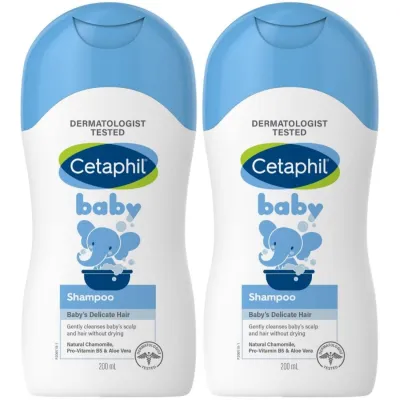
Parents in Singapore searching for the gentlest care for their newborns often turn to trusted household names, with Cetaphil Baby Wash & Shampoo being a highly popular choice on nursery shelves. When it comes to protecting a newborn’s delicate skin, verifying the safety and regulatory status of any bathing product is a vital first step. In Singapore, baby washes and shampoos are regulated by the Health Sciences Authority (HSA), but the way they are managed differs significantly from prescription medications or medical treatments.
While Cetaphil Baby Wash & Shampoo is widely available across major local pharmacies and supermarkets, it does not receive an active “medical certification” from the HSA. Instead, like all cosmetic products sold locally, it must comply with the HSA’s post-market notification requirements. Understanding how this regulatory framework operates, how to verify a product’s notification status, and how to evaluate the formulation against your newborn’s unique skin needs will help you make an informed and confident decision for bath time.
Understanding HSA Regulations for Baby Bathing Products
To navigate the safety of baby skincare in Singapore, it is essential to understand how the Health Sciences Authority (HSA) regulates these items. Under the Health Products (Cosmetic Products) Regulations, baby washes, shampoos, lotions, and wipes are classified as cosmetic products rather than therapeutic medicines. This classification dictates the specific regulatory pathway the product must follow before it can be legally sold to consumers.
Products mentioned in this guide
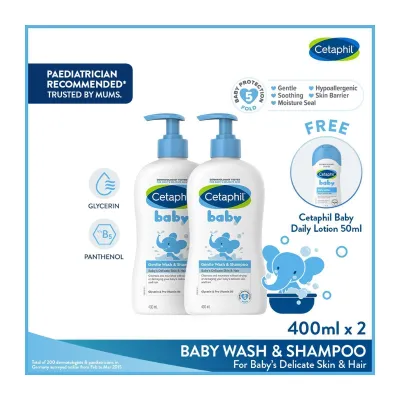
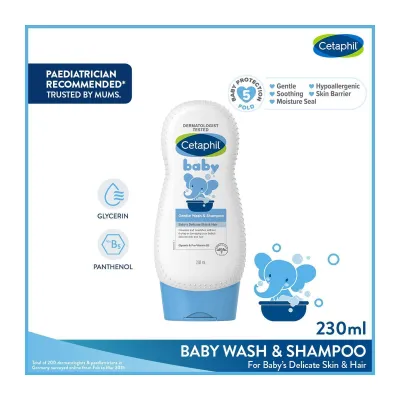
![Cetaphil Baby Wash & Shampoo with Organic Calendula and Sunflower Seed Oil 400ML [Gentle & Hypoallergenic] Bath Gel (Laz Mama Shop)](https://img.lazcdn.com/g/p/2d2495d5e829c36340080c5568dbe8d7.jpg_400x400q80.jpg_.webp)
![SG [Bundle of 5] Cetaphil Baby Wash & Shampoo Gentle 400mL With Organic Calendula Sunflower Seed Oil For Baby Newborn Sensitive SkinEXP 2028.3](https://img.lazcdn.com/g/p/d65768efc983a9a0e2e908539c6b41e2.jpg_400x400q80.jpg_.webp)
![Cetaphil Baby Gentle Wash and Shampoo with Shea Butter 400ml [Baebear.sg]](https://img.lazcdn.com/g/p/e62ccd5981daecb5d0b701ca75d58cb7.png_400x400q80.png_.webp)
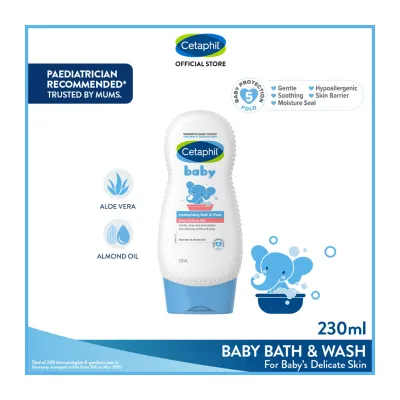
Prices are valid at publication and may change. Please refer to the product page for the latest price.
Unlike prescription drugs, which require rigorous pre-market clinical trials and individual approval by the HSA before distribution, cosmetic products undergo a post-market monitoring system. Before any cosmetic product is placed on the Singapore market, the local company responsible for importing or manufacturing it must submit a product notification to the HSA. This notification process is a mandatory legal requirement designed to ensure accountability and baseline safety.
When a company submits a cosmetic product notification, they are declaring that the product complies with the ASEAN Cosmetic Directive. This directive outlines strict guidelines regarding ingredient safety, prohibiting the use of known harmful substances and restricting the concentrations of certain preservatives and colorants. The notification also ensures that the manufacturer adheres to Good Manufacturing Practice (GMP) standards and that the product labeling provides clear, accurate information, including a full ingredient list and batch details.
An active HSA cosmetic notification does not mean the HSA has physically tested or endorsed the product’s efficacy. Instead, it signifies that the local distributor has officially registered the product, verified its compliance with safety standards, and established a traceable supply chain. This system allows the HSA to monitor the market efficiently and take swift action, such as issuing recalls or public warnings, if any safety issues arise after the product goes on sale.
How to Verify the HSA Status of Cetaphil Baby Wash & Shampoo
If you want to independently verify whether the specific bottle of Cetaphil Baby Wash & Shampoo you purchased is registered with the local authorities, you can do so using public regulatory tools. The HSA maintains an online database that allows consumers to search for notified cosmetic products. This transparency helps parents confirm that their baby care products have entered the Singapore market through legitimate, regulated channels.

To check the status, visit the official HSA website and navigate to the “InfoSearch” portal. From there, select the database for “Cosmetic Products.” In the search field, you can input keywords such as “Cetaphil Baby” or the specific product name. The search results will display the registered product names, the notification numbers, and the name of the local company responsible for importing the product, which is typically the authorized distributor, Galderma Singapore.
When verifying your product, it is also helpful to examine the physical packaging of the bottle. Authorized local stockists distribute bottles that feature clear English labeling, local distributor contact details, and a visible batch number and expiry date. These markings are crucial for traceability. If a product needs to be recalled or checked for quality issues, the batch number allows both the manufacturer and the HSA to identify the specific production run.
If you search the database and cannot find an immediate match, or if the packaging lacks local distributor details, the product may be a parallel import. Parallel imports are genuine products sourced from other countries and brought into Singapore by independent importers. While these products are often safe, they must still be notified to the HSA by the respective importer. To ensure maximum safety and avoid counterfeit goods, parents are encouraged to purchase baby skincare products from reputable, authorized local retailers, pharmacies, and official online brand stores.
Key Safety Markers to Check on the Product Label
Beyond regulatory compliance, evaluating the actual formulation of a baby wash is the most practical way to determine if it is suitable for a newborn. A newborn’s skin barrier is exceptionally delicate, up to thirty percent thinner than adult skin, and highly susceptible to dryness, irritation, and chemical absorption. Reading the ingredient list and understanding manufacturer claims will help you safeguard your baby’s skin health.
When examining Cetaphil Baby Wash & Shampoo, you will notice several common industry claims on the label, such as “hypoallergenic,” “dermatologically tested,” and “pediatrician-tested.” While these terms indicate that the manufacturer has conducted safety evaluations to minimize the risk of allergic reactions, they are not standardized medical definitions. They serve as a helpful guide, but they should always be paired with a careful look at the ingredient list.
For newborns, a primary goal is to avoid common skin irritants. You should scan the ingredient label for harsh surfactants, such as Sodium Lauryl Sulfate (SLS) or Sodium Laureth Sulfate (SLES), which can strip away the natural lipids protecting the infant skin barrier. Instead, look for gentle, plant-derived cleansing agents. Additionally, check for the absence of added parabens, phthalates, and strong synthetic fragrances, as these are frequent triggers for contact dermatitis in sensitive infant skin.
Another critical factor is the pH level of the wash. A newborn’s skin naturally develops a slightly acidic protective layer, known as the acid mantle, which typically sits at a pH of around 5.5. Using highly alkaline soaps can disrupt this barrier, leading to dryness and making the skin more vulnerable to bacterial infections. Opting for a pH-balanced, tear-free formulation helps maintain this natural acidity while ensuring that accidental contact with the eyes during bath time does not cause painful stinging or irritation.
Safe Usage Guidelines and When to Discontinue
Introducing any new skincare product to a newborn requires a cautious, step-by-step approach. Even products formulated specifically for sensitive baby skin can occasionally cause an unexpected reaction due to individual skin sensitivities or underlying conditions like eczema. Establishing a safe usage routine will help you protect your baby’s skin from unnecessary irritation.
Before using Cetaphil Baby Wash & Shampoo for a full bath, it is highly recommended to perform a localized patch test. Apply a very small, diluted amount of the wash to a tiny patch of your baby’s skin, such as the inner arm or the side of the thigh. Leave it on for a few minutes during bath time, rinse it off thoroughly, and monitor the area over the next twenty-four to forty-eight hours. If no redness, swelling, or dryness occurs, the product is generally safe to introduce into their regular bathing routine.
During the actual bath, moderation is key. Newborns do not accumulate significant dirt, so you only need a small, pea-sized amount of wash. Dilute the product in the bathwater or lather it gently in your hands before applying it to your baby’s skin. Avoid vigorous scrubbing; instead, use your bare hands or a soft, clean cotton washcloth. Ensure that you rinse the skin thoroughly with lukewarm water, as dried soap residue left in skin folds can easily cause chafing and irritation.
Always monitor your baby’s skin closely during and after bath time. If you observe any signs of an adverse reaction—such as persistent redness, dry or flaking patches, a raised rash, or signs of discomfort and itching—discontinue use of the product immediately. For subsequent baths, rely solely on plain, lukewarm water to cleanse the skin. If the irritation does not subside within a few days, or if it appears to worsen, consult a qualified pediatrician or pediatric dermatologist for professional guidance and a proper skin assessment.
Frequently Asked Questions (FAQ)
Can I use Cetaphil Baby Wash & Shampoo on a newborn's face?
Yes, you can use Cetaphil Baby Wash & Shampoo on a newborn’s face, provided you do so with care and follow the manufacturer’s specific usage instructions. Because the facial skin is thinner and more sensitive than the rest of the body, use a highly diluted amount of the wash on a damp, soft cloth. Gently wipe the face while avoiding the immediate eye area and the mouth. If your baby has extremely dry skin or facial baby acne, cleansing with plain lukewarm water is often sufficient and minimizes the risk of irritation.
Does the absence of an HSA notification number mean a baby wash is unsafe?
Not necessarily, but it does mean you should proceed with caution. The absence of a visible notification in the public registry could be due to administrative delays in database updates, or the product might be a parallel import that has not been properly registered by the importing entity. However, purchasing a baby wash that lacks proper local notification increases the risk of acquiring counterfeit or improperly stored goods. To ensure safety, it is best to buy products that are fully notified and sourced from authorized local retailers.
How often should I bathe my newborn using a wash and shampoo?
In Singapore’s warm and humid climate, parents often feel inclined to bathe their babies daily to manage sweat. However, bathing a newborn with soap or shampoo every day can strip the skin of its natural oils, leading to dryness and irritation. Pediatric guidelines generally recommend using a gentle baby wash only two to three times a week. On the other days, a quick bath using plain, lukewarm water is entirely sufficient to keep your newborn clean while preserving their natural skin barrier.

Community discussion
Share your experience or ask a question. Comments are reviewed before publication.