
Choosing the right laundry detergent for your baby’s clothes is a critical step in protecting their delicate skin barrier. While bzubzu detergent is marketed as a gentle option for infants, verifying the exact ingredients on your specific bottle is the most reliable way to ensure it meets your child’s unique skin needs. Because formulations can vary by region, batch, or product line, parents should know how to read the label and identify which components are truly safe and which might trigger irritation.
How to Verify bzubzu Detergent Ingredients
To confirm what goes onto your baby’s garments, always start by inspecting the physical packaging of your bzubzu detergent. The back or side panel typically features a full or partial list of ingredients, which is the most accurate representation of the specific batch you purchased. Manufacturers sometimes update their formulas without changing the front label, making this physical check essential.
If the packaging only lists broad categories like “surfactants” or “cleaning agents,” you can search the brand’s official website or their authorized online marketplace listings. Many brands publish detailed ingredient breakdowns or product sheets online to assist parents of children with sensitive skin or eczema. These digital listings often provide deeper insights into the sourcing of their cleaning agents.
Products mentioned in this guide
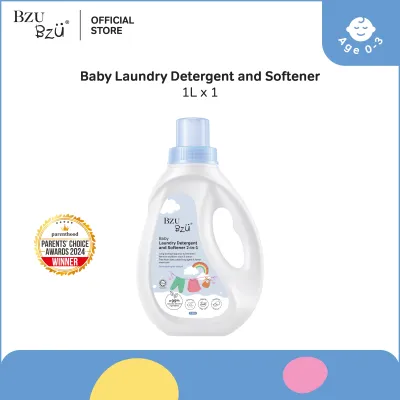
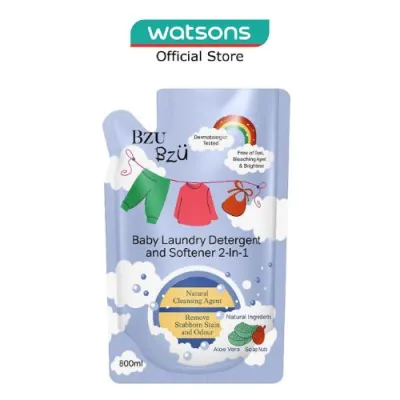
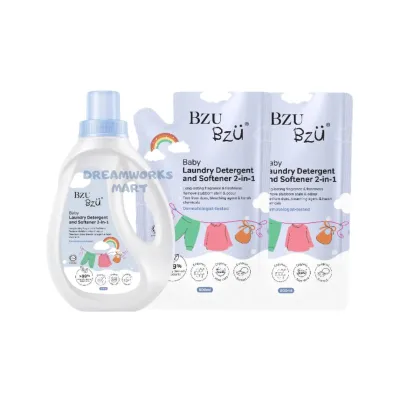
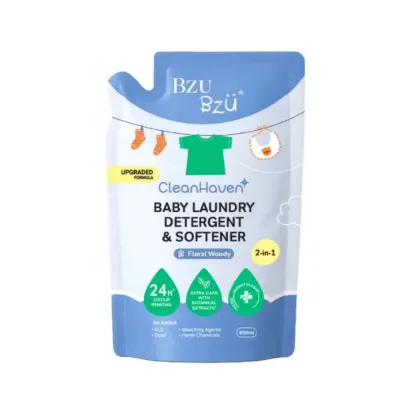
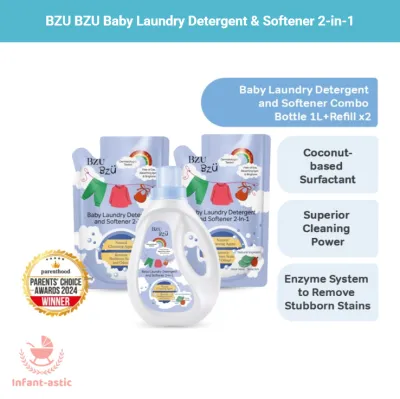
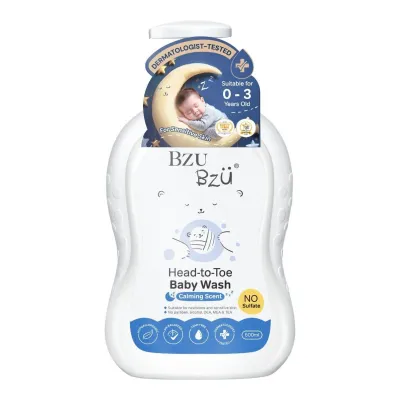
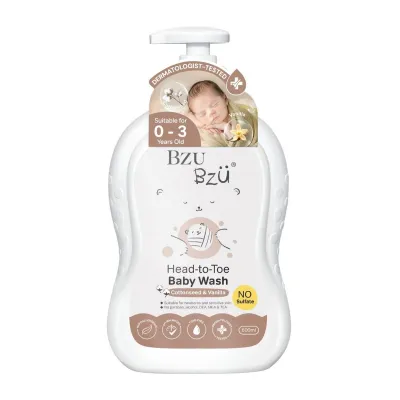
Prices are valid at publication and may change. Please refer to the product page for the latest price.
When online resources and packaging labels do not provide a complete picture, you can contact the manufacturer’s customer service directly. Requesting a Safety Data Sheet (SDS) or a full ingredient disclosure is a standard practice for parents managing severe skin allergies. This document lists every chemical component and its concentration range, offering absolute clarity before the detergent touches your baby’s laundry.
Gentle Ingredients to Look for in Baby Detergents
When reviewing the ingredient list on a baby detergent, look for plant-derived surfactants that clean fabrics gently. Ingredients derived from coconut or corn, such as coco-glucoside, decyl glucoside, or sodium lauryl glucose carboxylate, are excellent examples. These mild surfactants break down milk stains and soil effectively without leaving harsh chemical residues that strip the natural oils from an infant’s skin.

A baby-safe formula should ideally be free from optical brighteners, which are chemical agents designed to make fabrics appear whiter and brighter. These compounds do not actually clean the clothes; instead, they absorb ultraviolet light and emit blue light to mask yellowing. Because optical brighteners are engineered to remain in the fabric fibers after rinsing, they frequently come into direct contact with the skin and can cause persistent irritation.
Fragrance is another critical factor to evaluate on the ingredient label. While many parents enjoy a clean scent, fragrance-free options are always the safest choice for newborns and infants with eczema. If you prefer a scented detergent, ensure the product uses strictly regulated, low-allergen fragrance profiles or natural extracts that comply with international safety standards for infant care.
Potential Irritants to Avoid on the Ingredient Label
Preservatives are necessary in liquid detergents to prevent bacterial growth, but some can be highly irritating to delicate skin. Parents should carefully scan the label for harsh preservatives such as methylisothiazolinone (MIT), methylchloroisothiazolinone (MCI), or formaldehyde-releasing agents. These chemicals are known contact allergens that can trigger redness, itching, and dry patches on a baby’s sensitive skin.
Artificial dyes are another unnecessary additive that should be avoided in baby laundry care. These colorants serve a purely aesthetic purpose for the consumer and offer no cleaning benefit. Because synthetic dyes can bind to fabric fibers and rub off onto the skin, choosing a clear or naturally colored detergent minimizes the risk of allergic contact dermatitis.
Additionally, watch out for high-alkaline builders and aggressive stain-removing enzymes that may not rinse out completely. While enzymes like amylase or protease are highly effective at breaking down organic stains, they must be thoroughly rinsed from the fabric. Residual alkaline builders can disrupt the natural pH of your baby’s skin, leading to chafing and discomfort in areas where clothing fits tightly.
Testing and Monitoring for Skin Safety
Even if a detergent’s ingredient list appears completely safe, performing a practical home test is the best way to evaluate its compatibility with your baby’s skin. Begin by washing a small, isolated batch of baby clothes or a single swaddle blanket using the new detergent. Once dry, inspect the fabric to ensure it feels soft and free from stiff, chalky residues or an overwhelming perfume scent.
Have your baby wear the test garment for a few hours while closely monitoring their skin for any adverse reactions. Look for early signs of sensitivity, such as localized redness, dry patches, or small bumps, particularly in areas prone to friction like the neck, wrists, and thighs. If your baby shows any signs of discomfort or skin changes, discontinue use immediately, wash the clothing again with a known safe detergent, and consult a pediatrician or pediatric dermatologist if the irritation persists.
If you suspect a mild reaction or notice a slight residue on the fabrics, try adjusting your laundry routine before discarding the product. Reducing the detergent dosage to the minimum recommended amount can prevent buildup in the washing machine and on the clothes. Additionally, running an extra rinse cycle with clean water helps ensure that all active surfactants and cleaning agents are thoroughly flushed from the delicate fibers.
Frequently Asked Questions (FAQ)
Does bzubzu detergent leave residue on baby clothes?
Whether a detergent leaves a residue depends heavily on the dosage used, the water temperature, and the efficiency of your washing machine. Using too much detergent for a small load of baby clothes is the most common cause of buildup, which can make fabrics feel stiff and irritate sensitive skin. To prevent residue, always measure the detergent precisely according to the manufacturer’s instructions, avoid overloading the washing machine, and consider adding an extra rinse cycle to ensure all surfactants are completely washed away.
Can I mix bzubzu detergent with fabric softener for baby clothes?
It is generally recommended to avoid mixing baby detergents with standard fabric softeners when washing infant clothing. Fabric softeners work by leaving a thin chemical coating over the fabric fibers to make them feel softer, which can significantly reduce the breathability and absorbency of cotton garments and cloth diapers. Furthermore, many fabric softeners contain strong synthetic fragrances and preservatives that are common skin irritants. If you feel your baby’s clothes need softening, consider using a dedicated, fragrance-free baby fabric softener, or skip it entirely and rely on a gentle, well-rinsed detergent.

Community discussion
Share your experience or ask a question. Comments are reviewed before publication.