
Quick Answer: Is BZU BZU Detergent Safe for Your Baby?
When welcoming a newborn into your home, every choice—from the swaddles they sleep in to the soap used to wash them—takes on a new level of importance. If you are considering BZU BZU detergent for your family’s laundry routine, you are likely wondering whether its formulation is truly gentle enough for vulnerable infant skin. The short answer is that BZU BZU baby laundry detergent is designed with mildness in mind, utilizing plant-based cleaning agents and avoiding many of the harsh chemicals found in standard household detergents. However, whether any detergent is entirely safe for your specific baby depends heavily on their unique skin barrier, any underlying sensitivities, and the exact ingredients present on the bottle in your hand.
In the consumer safety landscape, terms like “baby-safe” or “hypoallergenic” are not strictly regulated, universal standards. Instead, they serve as helpful indicators of a manufacturer’s intent to formulate without common irritants. To make an informed decision, parents must develop basic ingredient literacy. A truly safe baby laundry routine relies on mild surfactants, the absence of aggressive preservatives, and the exclusion of synthetic dyes or heavy fragrances. Let’s look closer at how to evaluate the ingredient list of your laundry products so you can protect your baby’s delicate skin.
Decoding the Ingredient List: What to Look For in BZU BZU Detergent
Navigating the back label of a detergent bottle can feel like reading a foreign language. To evaluate BZU BZU detergent or any other baby-specific laundry wash, it helps to group the ingredients into their functional categories. Laundry detergents generally require a balance of cleaning agents, stabilizing preservatives, and sensory additives. By understanding what each group does, you can quickly spot whether a formulation aligns with pediatric skin safety recommendations.
Products mentioned in this guide
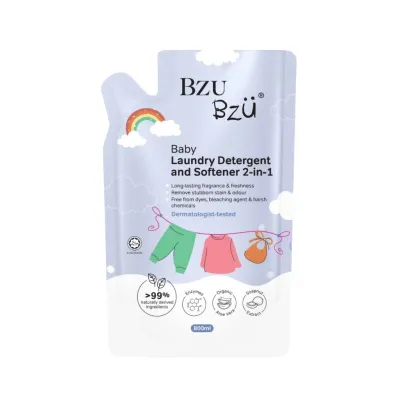
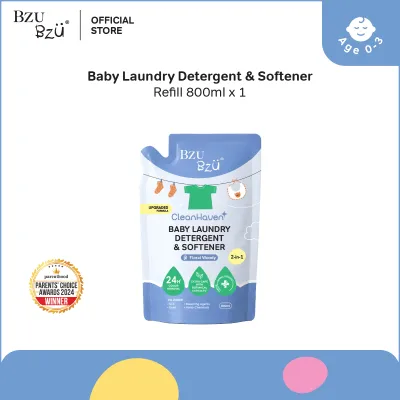
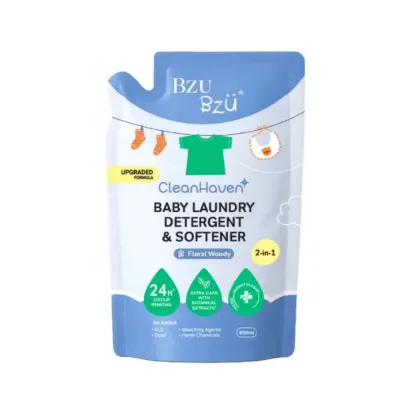
![BZU BZU Baby Laundry Detergent & Softener 2-in-1 / 1Litre Bottle / Refill pack 800ml [MIX & MATCH]](https://img.lazcdn.com/g/p/782ceeb23a89f5a52e3c83e350986ed3.png_400x400q80.png_.webp)
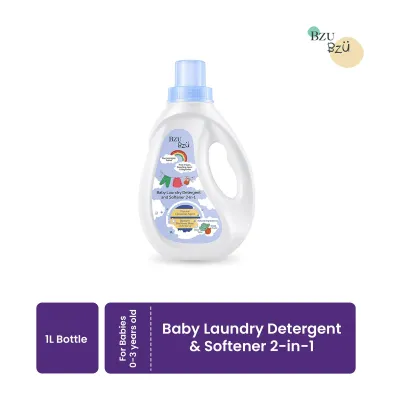
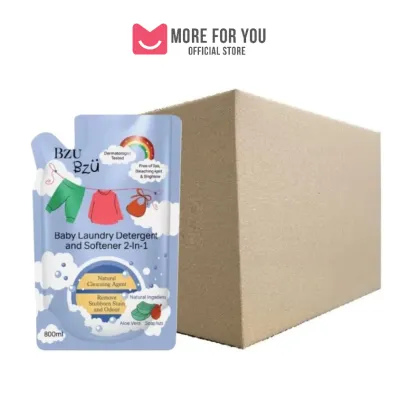
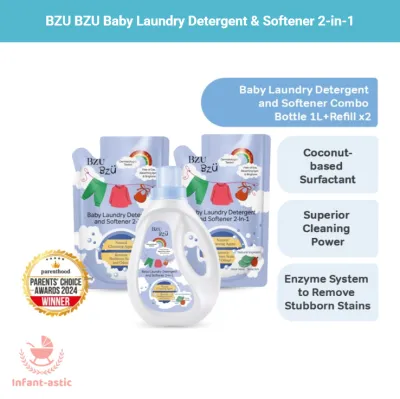
![[Carton Deal]BZU BZU Baby Laundry Detergent & Softener 2-in-1 (6x800ml Refill)](https://img.lazcdn.com/g/p/855796c14cd6418a15ec1b6d2b662be2.jpg_400x400q80.jpg_.webp)
Prices are valid at publication and may change. Please refer to the product page for the latest price.

Surfactants (The Cleaning Agents)
Surfactants, or surface-active agents, are the workhorses of any detergent. Their primary job is to break the surface tension of water, allowing it to wet fabrics more effectively, bind to oils, and lift away dirt, milk spills, and blowout residues. However, not all surfactants are created equal, and some can be highly disruptive to a baby’s skin.
Standard household detergents often rely on strong sulfates, such as Sodium Lauryl Sulfate (SLS) or Sodium Laureth Sulfate (SLES). While highly effective at stripping grease, these harsh anionic surfactants can also strip the natural lipids from an infant’s skin barrier, leading to dryness and irritation. When inspecting a baby detergent, look for milder, plant-derived alternatives. Ingredients like alkyl polyglucosides (such as Coco-Glucoside or Lauryl Glucoside) and betaines (like Cocamidopropyl Betaine) are derived from coconut or corn. These surfactants clean effectively while remaining exceptionally gentle on the skin, making them the preferred choice for infant laundry formulations.
Preservatives and Stabilizers
Because liquid detergents contain a high percentage of water, they are highly susceptible to bacterial and fungal growth over time. Without effective preservatives, a bottle of detergent could quickly become a breeding ground for harmful microbes, posing a direct health risk to your family. Therefore, preservatives are a necessary component of any liquid formulation.
The challenge lies in choosing preservatives that prevent microbial spoilage without triggering skin sensitization. Many premium baby formulations deliberately exclude controversial preservatives such as parabens, formaldehyde releasers (like DMDM hydantoin), and isothiazolinones (such as methylisothiazolinone or MIT). These chemicals are known contact allergens that can provoke eczema flare-ups. When reviewing the label, verify that the formulation utilizes milder stabilizing agents or food-grade preservatives that keep the product shelf-stable without compromising skin health.
Fragrances and Dyes
Many parents associate the smell of fresh laundry with cleanliness, but sensory additives are among the most common culprits behind skin irritation in infants. The term “fragrance” or “parfum” on an ingredient list is legally considered a trade secret, meaning it can represent a complex blend of dozens of undisclosed chemicals, including phthalates used to make the scent last longer.
Synthetic dyes are similarly problematic, serving no functional purpose in cleaning and existing solely to give the liquid an appealing color. Pediatric dermatologists strongly advise opting for fragrance-free and dye-free detergents, particularly during the first few months of a newborn’s life. Even natural fragrances derived from essential oils can cause allergic contact dermatitis in sensitive babies, making a minimalist, unscented formulation the safest baseline for newborn laundry.
How These Ingredients Affect Infant Skin
To understand why we must be so selective about laundry ingredients, we have to look at the biology of infant skin. What causes mild dryness in an adult can translate into a painful, itchy rash for a baby. The laundry residues left behind on clothing fibers are in constant, direct contact with your baby’s skin, making the choice of detergent a critical factor in their daily comfort.
Understanding the Infant Skin Barrier
An infant’s skin barrier is fundamentally different from an adult’s. At birth, a baby’s skin is roughly 30% thinner and significantly more permeable. This means it absorbs external substances much more rapidly and loses moisture far more quickly. Additionally, the acid mantle—the protective, slightly acidic film on the skin’s surface that fends off bacteria and environmental hazards—is still developing during the first year of life.
Because of this heightened permeability, any chemical residues remaining on clothing fibers after a wash cycle can easily penetrate the outer layer of the baby’s skin. Harsh surfactants or chemical residues can disrupt the delicate lipid matrix of the skin barrier, leading to transepidermal water loss. This disruption makes the infant highly susceptible to localized irritation, systemic absorption of unwanted chemicals, and chronic dryness.
Common Irritants vs. Gentle Alternatives
Beyond surfactants and preservatives, several other common laundry additives warrant close inspection. Optical brighteners are synthetic chemicals added to many conventional detergents to make fabrics appear whiter and brighter. They achieve this by absorbing ultraviolet light and emitting blue light. Crucially, optical brighteners are designed to remain embedded in the fabric fibers even after rinsing. This constant, direct contact with the skin can easily trigger irritation in babies with sensitive skin or eczema.
In contrast, many modern baby detergents utilize enzymes to target tough organic stains like breastmilk, formula, and baby food. Enzymes are naturally occurring proteins that break down specific molecules: proteases target protein stains, amylases break down starches, and lipases dissolve fats. While highly effective and generally biodegradable, some infants with extreme skin sensitivities or active eczema may react to residual enzymes left on clothing. If your baby has highly reactive skin, you may need to choose an enzyme-free formula or ensure an extremely thorough rinse cycle.
It is also vital to remember that “natural” is not synonymous with “safe.” Many botanical extracts, essential oils, and plant-derived ingredients can be potent allergens. A product marketed as “all-natural” can still cause a severe allergic reaction if it contains concentrated botanical oils. When evaluating detergent ingredients, a minimalist formulation with fewer, highly refined, and dermatologically tested ingredients is always safer than a complex mixture of unrefined natural botanicals.
How to Verify Safety Claims and Test the Detergent
With so many marketing claims crowding the front of detergent bottles, parents must learn how to separate promotional hype from verifiable safety. Taking a systematic approach to evaluating packaging and conducting a controlled home test can save your baby from unnecessary skin discomfort.
Reading the Packaging and Safety Claims
When shopping for baby laundry products, you will encounter various front-label claims such as “dermatologically tested,” “hypoallergenic,” or “organic.” While these terms are reassuring, they lack standardized legal definitions. A product labeled “hypoallergenic” simply means the manufacturer believes it is less likely to cause allergic reactions, but it does not guarantee it is completely allergen-free.
To verify these claims, turn the bottle around and look for third-party certifications. Look for seals from recognized dermatological institutes, allergy associations, or eco-certifications that validate the product’s safety profile. Furthermore, prioritize brands that practice full ingredient transparency. A reputable manufacturer will list every single ingredient using its standard INCI name, rather than using vague terms like “cleaning agents” or “biodegradable softeners.” This transparency allows you to cross-reference the ingredients against known skin irritants.
Performing a Fabric Patch Test
Even if a detergent boasts an exemplary ingredient list and glowing third-party certifications, every baby’s skin is unique. Before washing your newborn’s entire wardrobe with a new detergent, it is highly recommended to perform a controlled fabric patch test. This simple precaution helps you identify any potential sensitivities before they become a widespread issue.
To conduct the test, select a single, frequently worn item made of 100% cotton, such as a clean onesie or a muslin swaddle. Wash this item separately using the recommended dosage of the new detergent. For added safety, run the item through an extra rinse cycle to minimize any potential residue. Once dry, dress your baby in the garment or wrap them in the swaddle as you normally would. Observe the skin that comes into direct contact with the fabric over the next 24 to 48 hours, looking for any signs of redness, dryness, or irritation.
Spotting Skin Sensitivity and When to Stop Use
Even with careful ingredient vetting, adverse skin reactions can still occur. Recognizing the early signs of skin sensitivity allows you to intervene quickly, preventing a minor irritation from developing into a painful skin condition or a secondary infection.
Common signs of contact dermatitis or an allergic reaction to laundry detergent include localized redness, dry or scaly patches, small red bumps, and hives. These symptoms typically appear in areas where clothing fits snugly against the skin, such as the collarbone, wrists, thighs, and diaper line. You may also notice your baby exhibiting unexplained fussiness, scratching, or rubbing their body against blankets to soothe the itchiness.
If you suspect your baby is reacting to their detergent, take the following steps immediately:
- Stop using the detergent: Immediately cease using the suspected product for all household laundry, as residues from parents' clothing can also transfer to the baby during cuddles.
- Re-wash affected items: Wash your baby's clothing, bedding, and towels using a known, minimalist, fragrance-free detergent, running multiple rinse cycles to strip away any lingering residues of the previous soap.
- Keep skin hydrated: Apply a gentle, pediatrician-approved emollient to soothe dry, irritated patches and help rebuild the compromised skin barrier.
- Consult a professional: If the rash does not improve within a few days, spreads rapidly, or shows signs of infection (such as oozing or crusting), consult a pediatrician or a pediatric dermatologist for an accurate diagnosis and treatment plan. Remember that laundry detergent is only one of many potential triggers for infant skin issues, and a professional evaluation is essential for proper care.
Frequently Asked Questions (FAQ)
Do I need to use a fabric softener with baby detergent?
No, you should avoid using liquid fabric softeners or dryer sheets when washing baby clothes. Fabric softeners work by leaving a thin, chemical coating over the fabric fibers to make them feel softer. This coating often contains heavy synthetic fragrances, dyes, and quaternary ammonium compounds (quats), all of which are notorious skin irritants for infants. Additionally, this chemical residue can significantly reduce the flame-retardant properties of children’s sleepwear and decrease the absorbency of cotton diapers and towels. If you want to soften your baby’s laundry naturally, consider using 100% wool dryer balls in your dryer, which naturally fluff fabrics and reduce static without any chemical additives.
Should I wash new baby clothes before the first use?
Yes, it is highly recommended to wash all new baby clothes, blankets, sheets, and plush toys before they ever touch your baby’s skin. During the manufacturing process, fabrics are often treated with chemical sizing agents, starches, and wrinkle-resisting finishes (which can include formaldehyde-based compounds) to keep them looking pristine on store shelves. Additionally, garments accumulate dust, dirt, and microbial contaminants during shipping, warehousing, and handling in retail environments. Washing these items first with a mild, baby-safe detergent removes these chemical residues and physical contaminants, ensuring that only clean, soft, and safe fabrics come into contact with your newborn’s highly permeable skin.

Community discussion
Share your experience or ask a question. Comments are reviewed before publication.