
When preparing for the arrival of a newborn, choosing the right laundry detergent is one of the most important decisions you will make for your baby’s comfort and skin health. Infant skin is incredibly delicate, being up to thirty percent thinner than adult skin, which makes it highly susceptible to irritation, dryness, and chemical sensitivities. Many parents in Singapore consider B&B baby laundry detergent as a potential option for washing their little one’s clothes, swaddles, and bedding. To determine if this detergent is the right fit for your newborn, it is essential to understand how to evaluate its ingredient profile, interpret safety claims, and establish a safe laundry routine.
Evaluating a baby detergent involves looking beyond the attractive packaging and diving deep into the actual formulation. Because a newborn’s skin barrier is still developing, residues left on clothing fibers can easily trigger contact dermatitis or exacerbate conditions like infant eczema. By learning how to verify the specific ingredients in your detergent and understanding the roles of surfactants, fragrances, and preservatives, you can make an informed decision that keeps your baby’s skin safe and comfortable.
How to Verify the Ingredients in B&B Baby Laundry Detergent
Before purchasing or using any baby laundry detergent, the first step is to verify the exact ingredients of the specific bottle you have. Formulations can vary significantly based on the product format, such as liquid detergent, powder, or detergent sheets, as well as regional distribution and product updates. What is sold in one market may have a slightly different preservative system or surfactant blend than what is available on local shelves.
Products mentioned in this guide
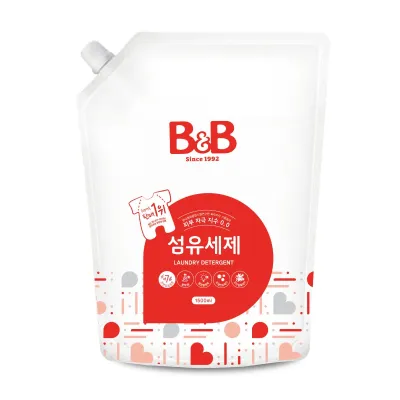
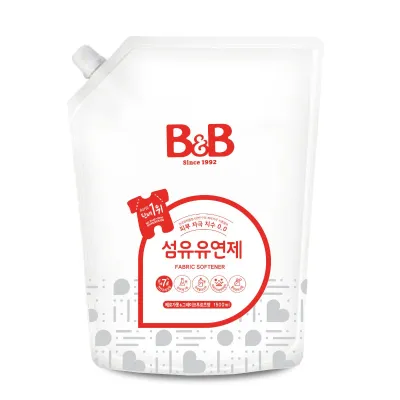
Prices are valid at publication and may change. Please refer to the product page for the latest price.
To get the most accurate and up-to-date information, always start by inspecting the physical product label on the back of the bottle. Manufacturers often print the full ingredient list, batch-specific details, and manufacturing dates directly on the packaging. If the print is too small or the label is partially obscured, you can consult the official B&B website or authorized local distributors. Many reputable brands and online marketplaces provide detailed product specifications or Safety Data Sheets (SDS) that outline the chemical composition and safety guidelines for the product.
Keep in mind that scented and unscented versions of the same brand will have different ingredient profiles. If your baby has extremely sensitive skin or a family history of eczema, verifying that you are purchasing the fragrance-free variant is crucial. Taking a few minutes to read the label ensures you are fully aware of what is coming into contact with your newborn’s clothing.
Understanding Common Baby Detergent Ingredients
To evaluate whether a detergent is suitable for your newborn, it helps to understand the common categories of ingredients found in baby laundry products. Detergents are formulated with several key components, each serving a specific purpose in lifting stains, preserving the product, or adding sensory appeal.

Surfactants are the primary cleaning agents responsible for breaking down oils, dirt, and organic matter so they can be washed away by water. In baby detergents, manufacturers often choose plant-derived surfactants, such as those derived from coconut, corn, or palm, because they tend to be gentler on the skin compared to harsh synthetic surfactants like sodium lauryl sulfate (SLS). Plant-derived options provide effective cleaning power without stripping the natural lipids from your baby’s skin barrier.
Fragrances and dyes are common additives in standard detergents, but they are frequent culprits behind skin irritation and allergic reactions in infants. Pediatricians and dermatologists generally recommend using fragrance-free and dye-free formulas for newborns. In Singapore’s warm and humid climate, babies sweat frequently, and the combination of moisture, friction, and synthetic fragrance residues on clothing can quickly lead to heat rash or contact allergies.
Preservatives and stabilizers are necessary in liquid detergents to prevent the growth of harmful bacteria, mold, and yeast, especially when stored in warm laundry areas. However, some preservatives can be irritating to sensitive skin. When reviewing a label, look for mild, food-grade, or cosmetic-grade preservatives, and verify that the formula is free from high-risk chemicals like parabens, formaldehyde donors, or methylisothiazolinone.
Enzymes are biological catalysts added to detergents to target specific stains, such as milk proteins, spit-up, and baby food. While enzymes are highly effective at keeping baby clothes clean, some infants with compromised skin barriers may experience mild irritation from enzyme residues. If you notice your baby’s skin reacting even to a gentle detergent, switching to an enzyme-free formula can help isolate the cause.
Evaluating Safety Claims for Newborn Skin
When shopping for baby detergent, you will likely encounter various marketing claims on the packaging, such as “dermatologically tested,” “hypoallergenic,” or “pH-balanced.” Understanding what these terms actually mean will help you look past the marketing and make a safer choice for your newborn.
The term “dermatologically tested” indicates that the product was tested on human skin under the supervision of a dermatologist to check for irritation. However, because there is no universal standard for what this test entails, it is important to look for additional details or independent certifications on the label. Similarly, “hypoallergenic” simply means the product is formulated with ingredients that are less likely to cause allergic reactions, but it does not guarantee that a highly sensitive newborn will not react to it.
A pH-balanced formulation is highly beneficial for infant clothing. Healthy newborn skin has a slightly acidic natural pH, which helps maintain the skin’s protective barrier against bacteria and environmental irritants. Detergents that are highly alkaline can disrupt this delicate balance, leading to dry, flaky skin. Choosing a detergent that is formulated to be neutral or slightly acidic helps preserve the natural integrity of your baby’s skin.
Rinsability is another critical factor to consider. A high-quality baby detergent should be designed to rinse out completely from fabric fibers during a standard wash cycle. If a detergent leaves behind a soapy residue, that residue will rub against your baby’s skin throughout the day, causing friction and potential chemical irritation. Opting for formulas that emphasize clean rinsing is a practical way to minimize this risk.
Washing Newborn Clothes and Monitoring for Reactions
Using a gentle detergent is only half the battle; how you wash your newborn’s laundry also plays a significant role in preventing skin irritation. Establishing a safe and consistent laundry routine will ensure that your baby’s clothes remain soft, clean, and free from irritating residues.
First, always follow the manufacturer’s dosage instructions strictly. It can be tempting to add an extra capful of detergent for heavily soiled items, but using too much detergent makes it incredibly difficult for your washing machine to rinse the fabric clean. The excess soap will remain trapped in the fibers of the clothes, swaddles, and bedding, increasing the likelihood of skin irritation. For typical newborn laundry loads, which are often smaller, a minimal amount of detergent is usually sufficient.
Second, consider running an extra rinse cycle for all newborn laundry. This simple step provides peace of mind by ensuring that every trace of detergent is thoroughly flushed out of the fabric. This is particularly important for items that have direct, prolonged contact with your baby’s skin, such as fitted sheets, sleeping sacks, and reusable diapers.
After your baby begins wearing clothes washed in the detergent, monitor their skin closely for any signs of a reaction. Look for localized redness, dry or rough patches, tiny bumps, or a persistent rash, especially in areas where clothing fits snugly or where sweat accumulates, such as the neck, wrists, thighs, and diaper area.
If you observe any signs of skin irritation, stop using the detergent immediately. Re-wash the affected clothing items in plain, warm water to remove any lingering residue, and switch to a known safe, fragrance-free alternative. If the rash persists, spreads, or causes your baby discomfort, consult a qualified pediatrician or dermatologist in Singapore to receive professional medical advice and guidance.
Frequently Asked Questions (FAQ)
Can I use regular adult laundry detergent for newborn clothes?
It is generally not recommended to use standard adult laundry detergents for newborn clothing. Adult detergents are formulated to tackle heavy outdoor soils, grease, and odors, meaning they often contain stronger synthetic surfactants, optical brighteners, dyes, and intense fragrances. Because a newborn’s skin is much thinner and more permeable than adult skin, these harsh chemicals can easily penetrate the skin barrier, leading to dryness, contact dermatitis, or allergic flare-ups. Using a dedicated, gentle baby detergent is a much safer approach during the first few months of life.
Do I need to wash newborn clothes separately from the rest of the family's laundry?
Washing newborn clothes separately is a common practice that helps prevent cross-contamination from adult clothing, which may carry heavy dirt, sweat, perfumes, or residues from stronger adult detergents. However, if running separate loads is impractical for your household, a convenient alternative is to wash the entire family’s laundry together using a gentle, baby-safe detergent. This ensures that everyone’s clothes are free from harsh chemicals, which also protects your newborn’s skin when they are being held or cuddled by other family members.

Community discussion
Share your experience or ask a question. Comments are reviewed before publication.