
When your baby enters the oral exploration stage, everything they touch eventually ends up in their mouth. Keeping toys clean is a daily priority for parents, but using the wrong cleaning agent can introduce unwanted chemical residues to the very items your child chews on. If you are considering Babyganics toy cleaner, understanding how to use it safely is essential for protecting your little one’s health.
While Babyganics toy cleaner is formulated as a baby-specific, plant-derived surface spray, its safety for toys that go directly into a baby’s mouth depends heavily on proper application, rinsing, and drying. No household cleaning spray is designed to be ingested, meaning that even “non-toxic” formulas require careful handling to ensure no active cleaning agents remain on a toy before it is chewed on. Parents must always verify the current label instructions on their specific bottle, as manufacturer formulations and safety guidelines can change over time.
The Short Answer: Is Babyganics Toy Cleaner Safe?
To determine if a toy cleaner is safe for your baby, you must first understand the distinction between a product being “non-toxic” for surface contact and being “ingestible.” A non-toxic rating generally means that once the product is applied, wiped away, and dried according to the manufacturer’s directions, the remaining dry surface is safe for a baby to touch or hold. It does not mean the liquid cleaner itself is safe to swallow, nor does it mean a baby should lick or suck on a toy that still carries wet or damp cleaning residue.
Products mentioned in this guide
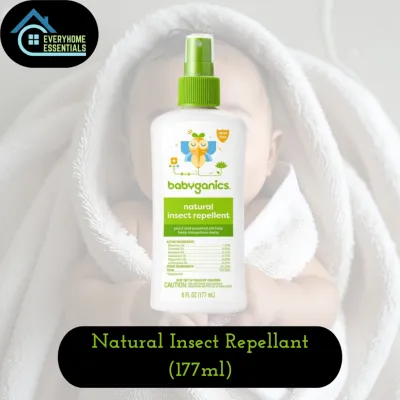
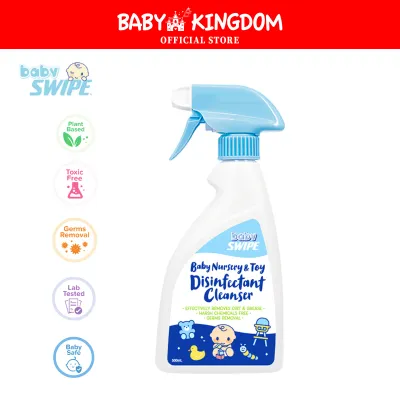
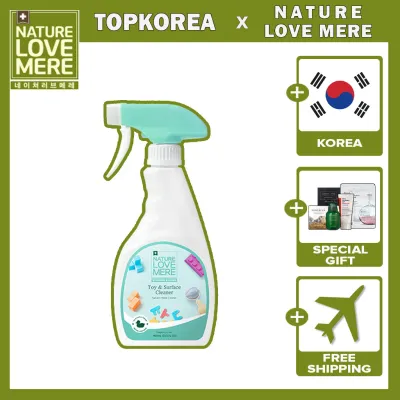
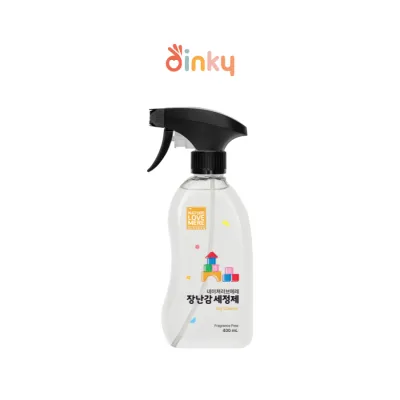
Prices are valid at publication and may change. Please refer to the product page for the latest price.
Baby-specific cleaners are typically formulated with plant-based surfactants rather than harsh synthetic chemicals like bleach, ammonia, or synthetic fragrances. However, “plant-based” is not a synonym for “edible.” These formulas are still designed to break down oils, grease, and dirt, which requires active cleaning agents that should not be introduced directly into a child’s digestive system.
Your child’s safety when using this product relies on following the manufacturer’s precise instructions on the packaging. Some formulations may require a thorough potable water rinse for any items that are regularly placed in a baby’s mouth, such as teethers, pacifiers, or plastic keys. Never assume a product is completely rinse-free for mouth toys without verifying the specific directions printed on your bottle.
Because product formulations, safety standards, and ingredient lists can be updated by manufacturers without warning, the bottle in your hand is always the ultimate authority. Before using any cleaning spray on your child’s toys, take a moment to read the entire back label to confirm the recommended application methods and safety precautions.
Decoding the Label: Ingredients and Safety Claims
When evaluating a bottle of Babyganics toy cleaner, look closely at the specific marketing claims and certifications printed on the packaging. Common labels such as “non-toxic,” “plant-derived ingredients,” or “pediatrician and dermatologist tested” indicate that the formula has undergone testing to minimize skin irritation and acute toxicity. However, these claims are brand-specific and should be treated as guidelines rather than absolute guarantees of safety for every individual infant.

It is vital to recognize that “natural” or “plant-derived” ingredients can still cause localized sensitivities or allergic reactions. Many plant-based cleaning products utilize botanical extracts, essential oils, or coconut-derived surfactants to clean surfaces. While these are generally milder than synthetic alternatives, some babies possess highly sensitive skin or respiratory systems that may react to specific plant proteins or natural fragrance compounds.
Flip the bottle over to examine the manufacturer warnings, age recommendations, and first-aid instructions. A safe product label will clearly outline what to do in case of accidental ingestion, eye contact, or skin irritation. If a label lacks clear emergency instructions or does not specify its suitability for baby items, it is best to avoid using it on objects your child handles daily.
Treat the physical ingredient list on your specific batch as your primary source of truth. If your baby has known allergies or highly sensitive skin, cross-reference the listed ingredients with your pediatrician’s recommendations before introducing the cleaned toys to your child’s play area.
Safe Cleaning Steps for Toys That Go in the Mouth
To minimize the risk of your baby swallowing residual cleaning agents, you must establish a methodical cleaning routine. How you apply, wipe, rinse, and dry the toys determines the ultimate safety of the cleaning process.
Proper Application and Wiping Techniques
Never spray any liquid cleaner directly onto your child’s toys. Direct spraying can cause the liquid to pool in small crevices, screw holes, battery compartments, or seams, making the cleaner incredibly difficult to remove or dry completely.
Instead, spray the cleaner moderately onto a clean, dry microfiber cloth or a fresh paper towel. This method allows you to control the exact amount of moisture applied to the toy’s surface.
Use the damp cloth to wipe the toy thoroughly, focusing on areas with visible grime, dried saliva, or dirt. Wiping physically lifts and removes the soil from the surface rather than simply spreading it around or pushing moisture into the toy’s internal joints.
Rinsing and Drying Requirements
For toys that are designed to go directly into your baby’s mouth, such as teething rings or plastic keys, performing a potable water rinse is a crucial safety step. Even if a product label claims to be rinse-free, rinsing the wiped toy under clean, running tap water physically flushes away any lingering surfactant molecules.
After rinsing, the drying phase is paramount. In warm, highly humid environments like Singapore, lingering moisture on toys creates an ideal breeding ground for mold spores, mildew, and bacteria.
Place the rinsed toys on a clean, dry rack in a well-ventilated room and allow them to air-dry completely. Do not return any toy to your baby while it is still damp from either the cleaning solution or the rinse water, as damp surfaces can easily collect airborne dust and facilitate bacterial growth.
Spotting Sensitivities and When to Discontinue Use
An infant’s skin barrier is significantly thinner and more permeable than an adult’s, making them highly susceptible to contact irritants. Similarly, their developing respiratory systems can react quickly to airborne particles or volatile compounds released by household cleaning agents.
When introducing toys cleaned with a new product, monitor your baby closely for any physical reactions. Watch for localized redness, small bumps, dry patches, or rashes on their hands, face, or around their mouth where they have made contact with the toys.
Respiratory symptoms can also indicate a sensitivity. Take note of any sudden sneezing, coughing, watery eyes, runny nose, or wheezing that occurs shortly after your baby begins playing with recently cleaned items.
If you observe any of these signs, discontinue use of the toy cleaner immediately. Wash all affected toys thoroughly with plain warm water to remove any remaining residue before letting your baby play with them again.
Do not attempt to self-diagnose skin rashes or respiratory issues with home remedies or over-the-counter creams. If your baby’s symptoms persist, worsen, or cause discomfort, consult a pediatrician or a qualified healthcare professional immediately to receive an accurate diagnosis and treatment plan.
Matching the Cleaning Method to the Toy Material
Not all toys are built the same, and using a single cleaning method across different materials can damage the items or create safety hazards. You must tailor your cleaning approach to the specific material of each toy.
Silicone, Hard Plastics, and Bath Toys
Non-porous materials like silicone and hard plastics are highly durable, but they can still degrade if exposed to improper cleaning agents. For daily maintenance, washing these items with warm water and a mild, fragrance-free baby dish soap is often safer, cheaper, and more effective than using a spray cleaner.
Before using any chemical spray or heat-based sterilization method (such as boiling or steam bags), consult the toy manufacturer’s care instructions. Some plastics can warp, degrade, or develop microscopic scratches when exposed to high heat or specific chemicals, and these tiny scratches can trap bacteria and chemical residues over time.
Bath toys with squeeze holes require extra vigilance. Water and cleaning solutions easily enter these toys but are incredibly difficult to remove completely, leading to internal black mold growth. Always squeeze out all internal liquid thoroughly after cleaning, and consider choosing solid, hole-free bath toys to eliminate this risk entirely.
Fabric, Plush, and Absorbent Materials
Surface spray cleaners are entirely unsuitable for absorbent materials like plush toys, fabric books, stuffed animals, or woven rattles. The fabric fibers act like a sponge, drawing the liquid cleaner deep into the internal stuffing where it cannot be wiped away or easily rinsed out.
If you spray a plush toy, your baby may end up sucking the wet cleaning solution directly out of the fabric fibers during play. This poses a direct ingestion risk that must be avoided.
For fabric toys, the primary cleaning method should always be machine washing or hand washing using a baby-safe, fragrance-free laundry detergent. Always refer to the care label stitched onto the plush toy for specific washing and drying temperatures to prevent melting synthetic fibers or damaging internal rattle mechanisms.
Frequently Asked Questions (FAQ)
Can I use Babyganics toy cleaner on wooden toys?
Wood is a highly porous natural material that readily absorbs liquids. If you spray a wooden toy with a liquid cleaner, the moisture and active ingredients can seep deep into the wood grain, making it nearly impossible to rinse out and increasing the risk of warping, cracking, or internal mold growth.
Before cleaning, check both the toy cleaner’s label and the wooden toy manufacturer’s care instructions. Generally, the safest way to clean wooden toys is to wipe them with a slightly damp cloth using plain water, followed immediately by wiping them dry with a clean towel to prevent moisture retention.
Is it safe to use this toy cleaner around household pets?
While a toy cleaner may be formulated to be gentle for human infants, certain plant-based ingredients can pose serious health risks to household pets. Common botanical ingredients, such as specific essential oils, citrus extracts, or herbal extracts, can be highly toxic to dogs and cats if licked, ingested, or inhaled.
Always check the product label for specific pet safety warnings before spraying it in areas where your pets play or rest. If you are unsure about the safety of any botanical ingredients listed on the bottle, consult your veterinarian for professional guidance.

Community discussion
Share your experience or ask a question. Comments are reviewed before publication.