
Quick Answer: Safety Across Glass, Plastic, and Silicone
Babyganics dish soap is generally formulated to be gentle and safe for washing infant feeding items, but absolute safety depends on verifying the specific product label, ensuring thorough rinsing, and checking your bottle manufacturer’s care instructions. While plant-based soaps offer a milder alternative to conventional household detergents, no cleaning product is entirely risk-free or “chemical-free.”
The safety and compatibility of this soap vary across glass, plastic, and silicone. Glass is highly non-reactive and does not absorb soapy residue, whereas plastic and silicone are more prone to physical wear, cloudiness, and odor absorption. To protect your baby from ingesting surfactant residues, a rigorous rinsing routine is always required, regardless of any “natural” or “non-toxic” marketing claims.
How to Evaluate Ingredient Safety and Residue Risks
Evaluating the ingredients in your baby’s bottle soap is a critical step in minimizing exposure to potential irritants. Conventional household dish soaps often contain harsh synthetic surfactants, artificial colorants, and heavy fragrances designed to mask odors or create excessive foam. For a developing infant with highly sensitive gastrointestinal and immune systems, minimizing contact with these chemical residues is a primary safety priority.
Products mentioned in this guide
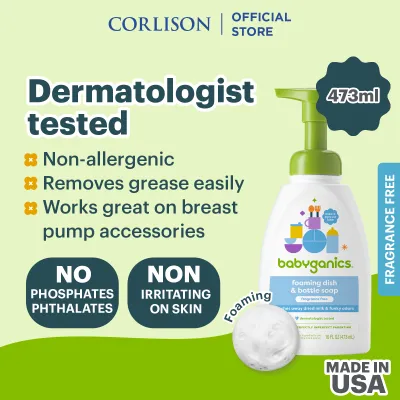
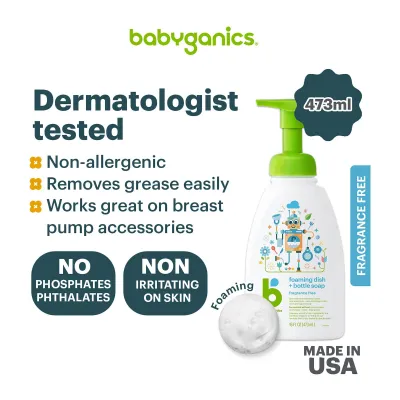
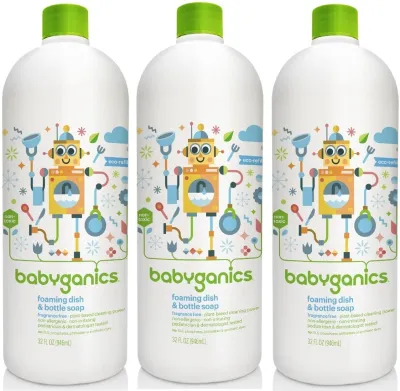
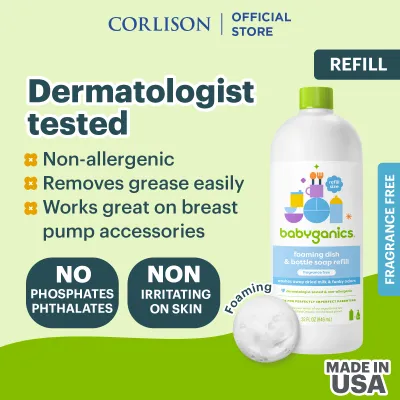
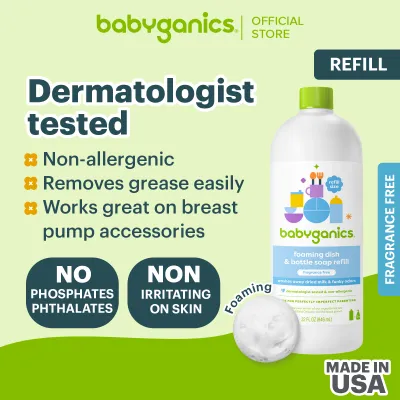
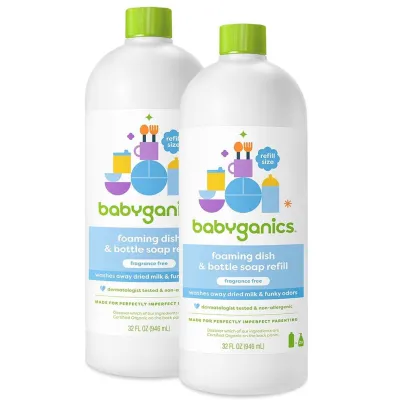
Prices are valid at publication and may change. Please refer to the product page for the latest price.

When choosing a soap, caregivers should look out for and avoid several common ingredients:
- Harsh Sulfates: Sodium Lauryl Sulfate (SLS) and Sodium Laureth Sulfate (SLES) are aggressive foaming agents that can leave a persistent film on surfaces.
- Synthetic Fragrances: These serve no functional cleaning purpose but can trigger allergic reactions or leave lingering scents that might cause a baby to reject their feed.
- Parabens and Preservatives: These are used to extend shelf life but may carry long-term health concerns.
- Artificial Dyes: These are added purely for aesthetic reasons and can introduce unnecessary chemical exposure.
When examining the ingredient profile of Babyganics dish soap, you will find that it utilizes plant-derived cleaning agents. Surfactants such as coco-glucoside and decyl glucoside, derived from coconut and corn, are typically employed to break down milk fats and proteins. While these plant-based surfactants are significantly milder than their petroleum-based counterparts, they are still active chemical agents. They function by binding to both water and oil, allowing milk residue to be washed away.
However, “plant-based” or “naturally derived” does not mean a product is entirely harmless if ingested. Any surfactant residue left behind on a baby bottle can cause mild gastrointestinal irritation, bloating, or loose stools in infants. This is why the concept of residue risk is central to bottle hygiene. A soap’s safety is only as good as the rinsing process that follows its application.
Furthermore, parents should carefully inspect the physical packaging of the specific bottle of Babyganics dish soap they purchase. Look for explicit labels indicating dermatological testing, pediatrician-approved claims, or specific certifications. Because formulations can vary by region or undergo updates over time, relying solely on online product descriptions or historical reviews is not sufficient. Always verify the active ingredient list and safety warnings on the physical bottle in your hand before the first use.
Material Compatibility: What to Expect for Each Bottle Type
Different bottle materials react uniquely to cleaning agents and physical handling. Understanding these interactions helps prolong the lifespan of your feeding gear and ensures proper hygiene.
Washing Glass Baby Bottles
Glass baby bottles are widely considered the gold standard for chemical inertness. Because high-quality borosilicate glass is non-porous and highly non-reactive, it does not interact chemically with Babyganics dish soap or any of its plant-derived surfactants. You do not have to worry about the soap degrading the material, causing chemical leaching, or leaving behind absorbed soapy odors that could alter the taste of breast milk or formula.
However, washing glass bottles introduces distinct physical safety challenges. The soapy water makes the glass extremely slippery, increasing the risk of drops, chips, or hairline fractures. Even a minor chip can harbor harmful bacteria that are difficult to clean, while a micro-crack can cause the bottle to shatter unexpectedly during sterilization or feeding. When washing glass, always handle each piece individually, use a non-slip grip, and inspect the bottle under bright light for any structural flaws before reassembling.
Washing Plastic Baby Bottles (PP, PPSU, PES)
Plastic baby bottles—commonly manufactured from Polypropylene (PP), Polyphenylsulfone (PPSU), or Polyethersulfone (PES)—require a more cautious cleaning approach. While these plastics are lightweight and shatterproof, they are far more susceptible to physical and chemical wear than glass. Over time, exposure to incompatible cleaning agents or abrasive tools can lead to cloudiness, surface degradation, and the formation of micro-scratches.
Micro-scratches are a significant hygiene concern because they create microscopic crevices where milk proteins and bacteria can accumulate, shielded from the cleaning action of your bottle brush. When using Babyganics dish soap, verify that the formulation remains free from any abrasive additives or strong solvents that could accelerate the aging of the plastic. The soap itself is liquid and non-abrasive, but it must always be paired with a soft, non-abrasive cleaning tool to protect the integrity of the plastic surface.
Additionally, different plastics have varying thermal and chemical tolerances. For instance, PP is highly flexible but wears out faster than premium PPSU, which can withstand hundreds of sterilization cycles. To prevent premature degradation or potential chemical leaching from compromised plastic, always cross-reference the soap’s usage directions with the specific plastic bottle manufacturer’s cleaning guidelines. If the manufacturer warns against certain types of surfactants or recommends specific washing temperatures, those instructions must take precedence.
Washing Silicone Bottles and Nipples
Silicone has become incredibly popular for baby bottles and nipples due to its soft, breast-like texture and flexibility. However, silicone is a relatively porous elastomer compared to glass or hard plastics. This porosity means it has a natural tendency to absorb fats from milk, as well as strong fragrances and chemical compounds from dish soaps. If exposed to heavily scented soaps or highly concentrated surfactants, silicone parts can develop a persistent soapy taste or a sticky, degraded surface.
To minimize this risk, fragrance-free or fragrance-free plant-based soaps like the unscented variety of Babyganics dish soap are highly preferred for silicone components. Scented variants, even those using natural essential oils, can leave a lingering aroma that a sensitive infant might reject. High-heat drying combined with soap residue can also accelerate the breakdown of silicone, leading to a tacky texture.
Parents should regularly monitor all silicone nipples and bottle bodies for physical changes. Inspect them during every wash cycle for swelling, a sticky or gummy texture, discoloration, or persistent odors that do not wash away. If the silicone feels sticky or has stretched out of shape, it has begun to degrade and must be discarded immediately. Always adhere strictly to the silicone manufacturer’s care instructions, as some brands advise against prolonged exposure to certain detergents or specific sterilization methods.
Best Practices for Washing and Rinsing to Prevent Residue
To ensure that Babyganics dish soap or any other cleaning agent is completely removed from your baby’s feeding equipment, establishing a disciplined washing and rinsing routine is essential. Simply swirling soapy water inside a bottle is insufficient to remove stubborn milk fats and soap residues. Following a systematic process protects your baby from ingesting trace surfactants and prevents bacterial growth.
To achieve a thorough clean, follow these essential steps:
- Complete Disassembly: Always separate the bottle body, collar, nipple, cap, and any internal venting valves or anti-colic parts before washing. Milk fat and soap suds easily become trapped in the tight crevices between the nipple and the collar or inside delicate valve systems. Washing these parts while they are still assembled guarantees that bacteria and soap residue will remain trapped inside, presenting a contamination risk.
- Dedicated Cleaning Tools: Use cleaning tools reserved solely for baby items. Do not use the same sponge or brush that you use for family dishes, as these can easily transfer food particles, grease, and household bacteria to your baby's bottles. Invest in a high-quality, soft-bristled bottle brush and a specialized, smaller nipple brush. Soft nylon or silicone bristles are ideal because they effectively sweep away milk film without scratching the delicate plastic or silicone surfaces.
- Water Temperature Control: Pay close attention to water temperature during the washing process. Check both the Babyganics dish soap label and your bottle manufacturer’s guidelines for temperature limits. Warm water is highly effective at melting and emulsifying milk fats, allowing the plant-derived surfactants in the soap to lift them away easily. However, avoid excessively hot or boiling water during the active washing phase, as extreme temperatures can accelerate the physical breakdown of certain plastics and silicone components.
- Thorough Rinsing Techniques: The rinsing phase is the most critical step for eliminating residue risks. Rinse each disassembled component thoroughly under clean, warm running water. Do not submerge clean parts back into a basin of dirty dishwater. To verify that all soap has been completely removed, perform a physical check: the surfaces should feel clean and squeaky to the touch, with absolutely no slippery film, no visible suds, and no lingering soapy scent. If the bottle feels slick or smells like soap, continue rinsing.
- Hygienic Air Drying: Proper drying is crucial to prevent recontamination. Place all washed and rinsed parts on a clean, dedicated bottle drying rack in a well-ventilated area. Avoid towel drying at all costs, as dish towels can harbor bacteria, mold, and lint, transferring them directly onto the freshly cleaned surfaces. Allow the parts to air dry completely before reassembling or storing them.
Signs of Degradation: When to Stop Using the Soap or Replace Parts
Over time, baby bottles and nipples will inevitably show signs of wear, regardless of how gentle your dish soap is. It is vital for caregivers to recognize when a bottle component has reached the end of its safe lifespan or when the cleaning process itself is causing issues. Regularly inspecting feeding gear under good lighting can prevent feeding difficulties and potential health risks.
Caregivers should look out for the following indicators:
- Material Degradation: For plastic bottles, persistent cloudiness that does not clear up after thorough washing, deep micro-scratches, or a yellowed appearance are indicators that the polymer is breaking down. For silicone nipples and bottles, watch for a sticky or gummy surface texture, swelling or stretching of the nipple tip, or a persistent soapy or sour milk odor that remains after multiple washes. These signs indicate that the structural integrity of the material is compromised, making it easier for bacteria to colonize the surface and increasing the risk of chemical leaching.
- Soap Residue and Irritation: Monitor your baby for signs of soap residue irritation or sensitivity. If your infant suddenly begins refusing the bottle, pulls away during feeds, or shows signs of discomfort, there may be a soapy taste or scent lingering on the nipple. More seriously, look for physical symptoms such as localized skin irritation, redness, or a mild rash around your baby's mouth after feeding. While plant-based soaps are designed to be mild, individual sensitivities to specific botanical ingredients can still occur, or highly concentrated residue might be causing localized irritation.
If you observe any signs of material degradation, discard and replace the affected bottle parts immediately. If you suspect the dish soap is leaving a persistent residue or causing skin irritation despite meticulous rinsing, stop using the soap immediately and switch to an alternative cleaning method. For any signs of a suspected allergic reaction, persistent skin rashes, or unexplained gastrointestinal discomfort, consult a qualified pediatrician or medical professional right away to ensure your baby’s safety.
Frequently Asked Questions (FAQ)
Do I need to sterilize bottles after washing them with dish soap?
Yes, cleaning and sterilizing are two distinct and equally important steps in bottle hygiene. Washing with Babyganics dish soap is designed to clean the bottles by removing physical residues, milk fats, and proteins from the surfaces. However, cleaning alone does not guarantee the destruction of all harmful pathogens. Sterilization is the process of using heat or sanitizing agents to eliminate remaining bacteria, viruses, and mold.
In Singapore’s warm, humid climate, bacteria can multiply rapidly on damp surfaces. Parents should follow local health guidelines and the bottle manufacturer’s specific recommendations for sterilization. Common methods include boiling the parts in water, using a steam sterilizer, or utilizing a UV sterilizer. Always ensure that the bottles are thoroughly washed and rinsed to remove all soap residue before placing them into a sterilizer, as high heat can bake soap residue onto the bottle surfaces, making it incredibly difficult to remove later.
Can I use this dish soap in a dishwasher for baby bottles?
No, standard liquid Babyganics dish soap is formulated strictly for hand-washing and should never be used in a household dishwasher. Pouring liquid hand dish soap into a dishwasher will create an excessive amount of suds that can overflow the machine, damage its internal components, and leave a thick, soapy film on your dishes. If you wish to use a dishwasher, you must purchase a detergent specifically formulated and labeled for dishwasher use.
Additionally, you must verify if your baby bottles and nipples are dishwasher-safe by checking the manufacturer’s instructions. Even if a bottle is labeled dishwasher-safe, placing delicate parts like silicone nipples, collar rings, and anti-colic valves in the dishwasher is often discouraged. The high heat, aggressive water jets, and strong dishwasher detergents can accelerate the wear and tear on these components, significantly shortening their lifespan. Hand-washing these sensitive parts with a gentle soap remains the preferred method for maintaining their structural integrity.
Is it safe to use this soap for washing breast pump parts?
Generally, mild plant-based dish soaps are suitable for washing breast pump parts, but you must always consult your breast pump’s user manual before proceeding. Breast pump components, particularly delicate silicone membranes, valves, and diaphragms, have highly specific cleaning and maintenance requirements. Using an incompatible soap or applying too much physical force during washing can degrade these sensitive parts, leading to a loss of suction and reducing the pump’s overall efficiency.
To ensure you do not void the manufacturer’s warranty or damage the components, verify that the soap’s ingredients are compatible with the specific materials of your pump parts. Always wash pump parts in a dedicated basin of warm, soapy water rather than directly in the kitchen sink. Rinse them thoroughly under running water to eliminate any surfactant residue, and inspect the valves for any tears or warping during every cleaning cycle. If the manufacturer recommends a specific proprietary cleaning solution, prioritize those guidelines to ensure optimal performance and hygiene.

Community discussion
Share your experience or ask a question. Comments are reviewed before publication.