
Quick Answer: Are Baby Disinfectant Sprays Truly Safe?
No disinfectant spray is entirely risk-free when used around newborns and young infants. While many products on the market carry appealing labels like “baby-safe,” “natural,” or “pediatrician-approved,” these terms are often marketing designations rather than guarantees of absolute safety. A newborn’s respiratory system, skin barrier, and immune defenses are still in their earliest stages of development, making them highly sensitive to airborne particles and chemical residues.
Whether a baby disinfectant spray is safe to use depends heavily on its active ingredients, its chemical concentration, and how you apply it. Direct spraying in the presence of an infant is never recommended. Instead, surface disinfection should only occur when your baby is in another room, allowing the treated surfaces to dry completely and the air to clear before reintroducing your child. Understanding how to evaluate these products and adopting strict application habits will help you maintain a clean environment without compromising your infant’s health.
Decoding "Baby-Safe" Labels and Common Ingredients
When browsing the aisles of baby specialty shops or online marketplaces, you will frequently encounter cleaning products adorned with claims of being “non-toxic,” “plant-based,” or “specially formulated for infants.” It is important to recognize that these terms are not strictly regulated by standardized global sanitization authorities. A product labeled “natural” can still contain chemical compounds that pose risks to a newborn. To truly understand what you are introducing into your nursery, you must look past the front packaging and scrutinize the active ingredients listed on the back label.
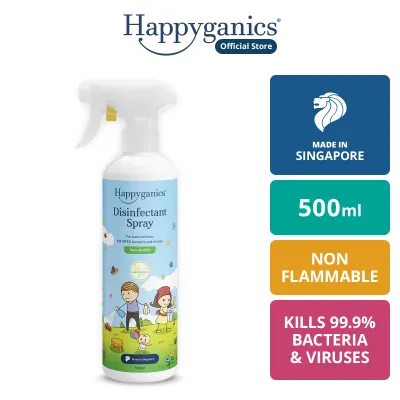
Products mentioned in this guide
![[OFFICIAL WODE] WODE Mum & Baby Disinfectant 80ml Spray (ALCOHOL FREE CHEMICAL FREE) (Suitable for age 2 and below)](https://img.lazcdn.com/g/p/461452633fe99f9ca89fc5dae48db101.png_400x400q80.png_.webp)
![[Bundle of 3] Mamas Choice All-Purpose Disinfectant Spray | Baby Safe Toy & Surface Sanitiser | Alcohol-Free](https://img.lazcdn.com/g/p/56523d8438db11289f28e1abddbd5618.jpg_400x400q80.jpg_.webp)
Prices are valid at publication and may change. Please refer to the product page for the latest price.

Several active ingredients are commonly used in disinfectants marketed for household and baby items. Understanding how these chemicals work can help you make an informed choice:
- Hypochlorous Acid (HOCl): This compound is a weak acid produced naturally by the human immune system to fight infection. In commercial sprays, it is typically created through the electrolysis of salt and water. It is highly effective against pathogens and generally breaks down into simple saltwater, making it one of the gentler options for surface sanitization. However, you must still verify the manufacturer's instructions regarding shelf life, as HOCl can degrade quickly when exposed to light and air.
- Alcohol (Ethanol or Isopropyl Alcohol): Alcohol is a rapid-acting disinfectant that evaporates quickly, leaving little to no chemical residue. While highly effective at killing germs, alcohol fumes are incredibly strong and can easily irritate a newborn's sensitive airways if sprayed nearby. Additionally, frequent use of high-concentration alcohol can dry out or degrade certain plastics, silicones, and rubber components on baby toys and gear.
- Quaternary Ammonium Compounds (Quats): Often listed as benzalkonium chloride on ingredient labels, quats are highly effective at killing a broad spectrum of bacteria and viruses. However, they are known skin and respiratory irritants. They leave a persistent residue on surfaces to continue killing germs, which poses a contact or ingestion risk for a baby who crawls on the floor or mouths treated toys.
- Hydrogen Peroxide ($H_2O_2$): This active ingredient breaks down into water and oxygen, leaving no toxic chemical residues behind. In low concentrations, it is an effective sanitizer. However, concentrated formulas can still cause eye and skin irritation during the application process, requiring careful handling and adequate ventilation.
Many parents assume that botanical or essential oil-based sprays are inherently safer because they are derived from plants. However, essential oils such as eucalyptus, tea tree, peppermint, and lavender contain highly volatile organic compounds. These strong fragrances can act as potent respiratory irritants and allergens for newborns. When selecting a sanitizer, prioritize fragrance-free formulas and seek out products that provide clear, transparent ingredient lists and accessible manufacturer safety data sheets.
Potential Health Risks for Newborns and Infants
Newborns and infants are not just miniature adults; their physiological systems are uniquely vulnerable to environmental toxins and chemical exposures. Because their bodies are still developing, they process inhaled or ingested substances differently. Understanding these specific vulnerabilities highlights why careful selection and application of disinfectants are so critical.
1. Respiratory Irritation
An infant’s lungs undergo rapid development during the first few years of life. Newborns have narrower airways, a higher respiratory rate, and a larger lung surface area relative to their body weight compared to adults. This means they breathe in more air—and consequently, more airborne chemicals—per minute. Aerosolized droplets from disinfectant sprays and volatile organic compounds (VOCs) can easily irritate the delicate lining of their respiratory tract. Exposure can trigger immediate symptoms such as coughing, sneezing, or wheezing, and may exacerbate underlying respiratory sensitivities.
2. Skin Sensitivity
The skin of a newborn is remarkably thin, delicate, and highly permeable. The protective outer layer, known as the stratum corneum, is not yet fully developed, which allows topical substances to be absorbed more easily into the bloodstream. When chemical disinfectants are sprayed onto changing tables, play mats, or crib rails, they often leave behind a microscopic layer of chemical residue. If your baby’s bare skin comes into direct contact with these damp or freshly treated surfaces, it can lead to contact dermatitis, localized redness, dry patches, or painful skin irritation.
3. Ingestion Hazards
During their developmental journey, infants naturally explore their surroundings through oral sensory play. Everything they grasp—from plastic rattles and teething rings to their own hands—eventually goes straight into their mouths. If you use chemical disinfectant sprays on toys, high chair trays, or activity centers without a proper rinsing step, your baby is highly likely to ingest those chemical residues. Even small, repeated exposures to sanitizing agents through mouthing can cause irritation to the sensitive mucosal lining of their mouth and digestive tract.
Safe Application Practices to Minimize Exposure
If you decide to use a baby disinfectant spray to manage germs in your home, adopting a strict, low-risk application protocol is essential. By modifying how and when you apply these products, you can significantly reduce your infant’s exposure to potentially harmful fumes and residues.
To ensure the safest possible clean, integrate these practical steps into your household routine:
- Isolate the Area: Never spray any disinfectant in the same room as your baby. Before you begin cleaning, move your baby to a separate, closed room under the supervision of another caregiver. Keep the baby away from the treated area until the disinfectant has completely dried and any airborne vapors have fully dissipated.
- Ensure Proper Ventilation: Open your windows and doors to establish active cross-ventilation while disinfecting. In Singapore's highly humid tropical climate, indoor air can easily become stagnant, especially when air-conditioning units are running continuously with closed windows. This trapped air can cause chemical vapors to linger much longer. Utilizing standing fans or ceiling fans alongside open windows helps disperse aerosolized particles quickly. Furthermore, high humidity can slow down the drying time of liquids, meaning you must allow extra time for surfaces to air-dry completely to prevent moisture buildup.
- Use Targeted Application: Avoid misting or spraying disinfectants directly into the air or onto open surfaces, as this creates a cloud of airborne droplets that settle on surrounding items and are easily inhaled. Instead, spray the disinfectant directly onto a clean microfiber cloth until it is damp, and then use the cloth to wipe down the targeted surfaces. This localized method keeps the chemical compounds confined to the surface you intend to clean.
- Perform a Residue Removal Wipe: Even if a product is marketed as a "no-rinse" formula, it is safest to perform a secondary wipe-down on any surface your baby will directly touch or mouth. After allowing the disinfectant to sit for the manufacturer's recommended contact time to kill germs, take a separate clean cloth dampened with plain water and thoroughly wipe the surface again. This simple step effectively lifts and removes any lingering chemical residues or salty films.
- Store Products Securely: Always keep disinfectant sprays, sanitizers, and all other household cleaning products stored in their original containers with the labels intact. Keep them in a locked cabinet or a high shelf completely out of the reach and sight of curious infants and toddlers.
Signs of Adverse Reactions and When to Seek Help
Even with careful application, accidents can happen, or your baby may exhibit an unexpected sensitivity to a specific cleaning product. As a parent, monitoring your infant’s physical reactions during and after cleaning sessions is vital for early detection of an adverse reaction.
Watch closely for these observable signs of irritation or distress:
- Respiratory Signs: Unexplained or sudden coughing, frequent sneezing, wheezing, rapid breathing, or labored breathing shortly after a room has been cleaned.
- Ocular Signs: Watery eyes, redness in or around the eyes, or frequent rubbing of the face and eyes.
- Dermatological Signs: Sudden skin redness, localized rashes, hives, or dry, flaky patches on areas of the skin that came into contact with a sanitized surface.
If you notice any of these signs, take immediate action. Stop using the suspected disinfectant spray right away. Open the windows widely to flush the space with fresh air, and move your baby to a well-ventilated room or an outdoor area. Wash any skin surfaces that may have touched the chemical with mild soap and cool water.
If your baby’s symptoms do not improve quickly, if their breathing remains rapid or labored, or if you suspect they have directly ingested the disinfectant or sprayed it into their eyes, seek professional medical care immediately. When consulting a pediatrician or visiting an emergency clinic, always bring the specific product bottle or a clear photo of the ingredient label with you so the medical team knows exactly which active ingredients are involved.
Frequently Asked Questions (FAQ)
Can I spray disinfectant directly on baby toys?
Directly spraying disinfectants on toys that your baby frequently mouths is not recommended. Many toys have textured surfaces or crevices that can trap chemical residues, making them difficult to rinse away completely. Instead, wash hard plastic or silicone toys with mild, baby-safe dish soap and warm water, followed by a thorough rinse under running water. Always check the toy manufacturer’s care instructions first, as harsh chemicals or hot water can degrade certain materials, creating small parts that could become choking hazards.
Are essential oil-based disinfectants safer for babies?
Essential oil-based disinfectants are not necessarily safer and can often be more irritating to a newborn than fragrance-free synthetic alternatives. Natural plant extracts like eucalyptus, peppermint, tea tree, and lavender contain strong volatile organic compounds that can easily trigger respiratory irritation, coughing, or allergic skin reactions in young infants. For a newborn’s environment, it is highly recommended to avoid heavily scented products and instead choose fragrance-free, simple sanitizing options that have been verified for safety.

Community discussion
Share your experience or ask a question. Comments are reviewed before publication.