
Using a baby disinfectant around a newborn requires a careful balance between maintaining hygiene and preventing chemical exposure. While many products carry labels suggesting they are safe for infants, no chemical disinfectant is entirely risk-free. A newborn’s safety depends heavily on the specific active ingredients, how concentrated the product is, and the exact way you apply it in your home.
Newborns have rapidly developing respiratory and immune systems, making them far more vulnerable to airborne irritants and chemical residues than older children or adults. Because of this vulnerability, the general rule is to use disinfectants only when necessary rather than as a default daily cleaning method. When you must disinfect, you should ensure proper ventilation, allow surfaces to dry completely, and prevent any direct contact between the chemical and your baby’s skin or mouth.
Potential Health Risks of Disinfectants for Newborns
Understanding how chemical disinfectants interact with a newborn’s developing body helps clarify why strict precautions are necessary. Infants do not process environmental toxins the same way adults do, and their physical habits increase their exposure risk.
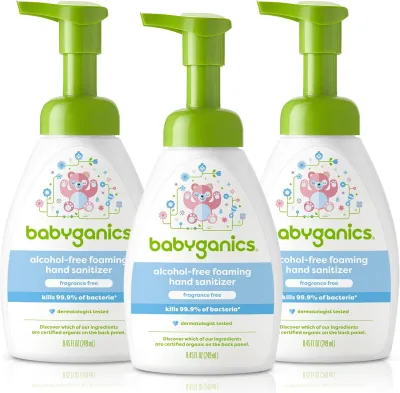
Products mentioned in this guide
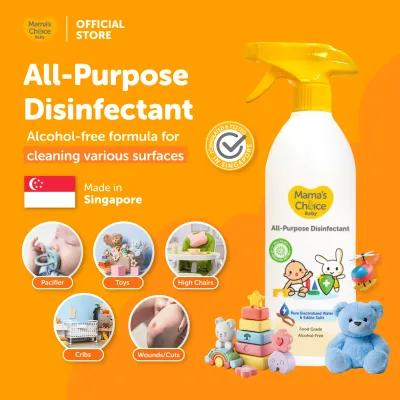
![[Bundle of 3] Mamas Choice All-Purpose Disinfectant Spray | Baby Safe Toy & Surface Sanitiser | Alcohol-Free](https://img.lazcdn.com/g/p/56523d8438db11289f28e1abddbd5618.jpg_400x400q80.jpg_.webp)
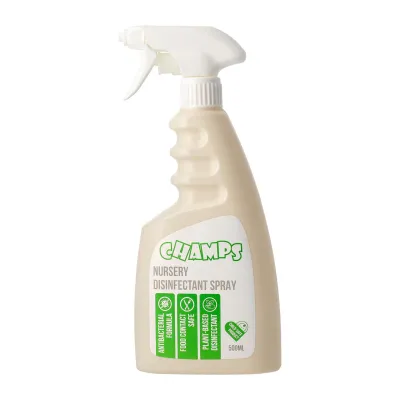
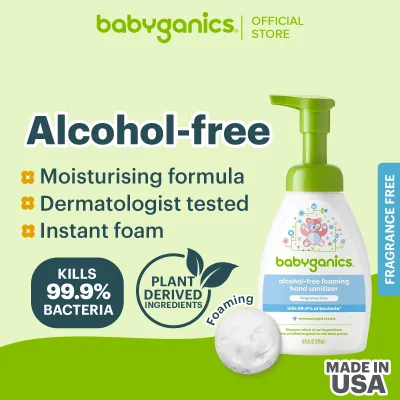
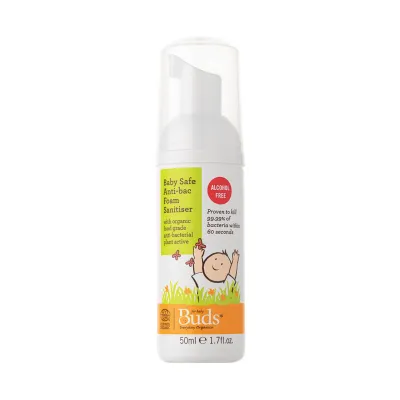
Prices are valid at publication and may change. Please refer to the product page for the latest price.
Respiratory Irritation from Airborne Fumes
Newborn airways are narrow and highly sensitive to airborne irritants. Many liquid disinfectants release volatile organic compounds (VOCs) or strong fumes into the air during and after application. In typical Singapore apartments, where air conditioning is frequently running and windows are closed, these fumes can easily become trapped in the indoor air. Breathing in these concentrated vapors can irritate a newborn’s delicate lung linings, leading to immediate breathing discomfort or contributing to long-term airway sensitivity.
Skin Sensitivity and Chemical Burns
An infant’s skin barrier is significantly thinner and more permeable than adult skin. If a newborn comes into direct contact with a surface that still has wet disinfectant or concentrated chemical residue, they can easily experience contact dermatitis. This skin irritation presents as redness, dry patches, or even mild chemical burns. Because babies frequently lie on play mats, blankets, and mattress covers, any chemical applied to these surfaces must be fully cleared before use.
Accidental Ingestion of Chemical Residues
Newborns and young infants explore their world through touch and mouth contact. They frequently put their hands, toys, pacifiers, and cot rails into their mouths. If these items are sprayed with disinfectants and not properly rinsed, the baby can ingest small amounts of chemical residue. Over time, or even in a single high-exposure event, ingesting these residues can irritate the baby’s sensitive digestive tract and disrupt their developing gut microbiome.
How to Evaluate and Choose a Safer Disinfectant
Navigating the cleaning aisle can be overwhelming with various marketing claims on display. To protect your newborn, you must look past front-label promises and carefully evaluate the active ingredients and usage instructions on the back.

Ingredients to Avoid Around Newborns
When selecting a product, read the ingredient list carefully to identify and avoid harsh chemicals.
- Chlorine Bleach (Sodium Hypochlorite): While highly effective at killing germs, bleach releases strong, corrosive fumes that can severely irritate a newborn's respiratory tract.
- High-Concentration Alcohol: Rubbing alcohol or isopropyl alcohol dries quickly but can emit intense fumes and cause severe skin dryness or irritation upon contact.
- Quaternary Ammonium Compounds (Quats): Often listed as benzalkonium chloride, these compounds are known skin and respiratory irritants that tend to leave persistent residues on surfaces.
Safer Alternatives to Consider
Look for milder formulations that achieve sanitization without leaving highly toxic residues. Hydrogen peroxide-based disinfectants are often preferred because hydrogen peroxide breaks down into water and oxygen, leaving no harmful chemical residue behind. Some plant-derived or citric acid-based sanitizers can also be suitable options, provided they are specifically formulated for baby environments. Always verify that the product label explicitly states it is suitable for use around infants and check for any age-specific restrictions.
Label Verification and Instructions
Never assume a product is safe to use straight out of the bottle without reading the directions. Check the label for exact dilution instructions, as using a product that is too concentrated increases the risk of fumes and skin irritation. Look for clear rinse requirements; many baby-specific disinfectants still require you to wipe the surface with clean water after the contact time has elapsed. Additionally, look for independent testing verifications or pediatrician-tested labels, and cross-reference these claims with guidelines from official local health authorities.
Safe Usage Practices and Precautions at Home
How you apply a disinfectant is just as important as the product you choose. Implementing a systematic, cautious cleaning routine minimizes your newborn’s exposure to chemical hazards.
Preparation and Ventilation
Before you begin cleaning or disinfecting any room, move your newborn to a completely separate area of the home. If you are disinfecting the living room, keep the baby in a closed bedroom with a caregiver. Open all windows and turn on standing fans to establish strong cross-ventilation. This is especially important in Singapore’s humid climate, where stagnant air can cause chemical fumes to linger much longer in enclosed spaces.
Application and Drying
Always follow the manufacturer’s instructions for dilution and application.
- Measure precisely: Do not guess the amount of water and disinfectant; use a measuring cup to ensure the correct ratio.
- Apply to the cloth, not the surface: Instead of spraying aerosols directly into the air—which creates a fine mist that hangs in the breathing zone—spray the disinfectant onto a clean microfiber cloth and wipe the surface down.
- Allow complete air-drying: Let the surface remain wet for the exact contact time specified on the label to ensure germs are killed, then allow it to dry completely. Because high humidity can slow down drying times, wait a little longer than usual before letting your baby near the treated area.
Post-Cleaning Hygiene
Once the disinfectant has dried, take a clean cloth dampened with plain water and wipe down any surfaces your baby is likely to touch directly, such as high chair trays, cot rails, and plastic toys. This extra step physically removes any lingering chemical residues. Finally, wash your own hands thoroughly with soap and water after cleaning to ensure you do not transfer any chemical traces to your baby during feeding or holding.
When to Stop Use and Seek Professional Help
Even with careful application, some newborns may show sensitivity to certain cleaning products. Parents must remain vigilant and know how to respond if an adverse reaction occurs.
Observable Symptoms of Sensitivity
Monitor your baby closely during and after cleaning sessions. Watch for these warning signs:
- Respiratory issues: Persistent coughing, wheezing, rapid breathing, or flared nostrils.
- Skin reactions: Sudden redness, hives, dry patches, or a rash on areas that touched a cleaned surface.
- Behavioral changes: Unusual fussiness, continuous crying, or rubbing of the eyes and nose after a room has been cleaned.
Immediate Actions to Take
If you notice any of these symptoms, immediately stop using the disinfectant. Move your baby to a different room with fresh air, or take them outdoors if possible. Open all windows in the affected room and turn on fans to clear out any remaining fumes. Wash any skin areas that may have come into contact with the product using mild baby soap and lukewarm water.
When to Consult a Pediatrician
If your baby’s respiratory symptoms do not improve quickly after moving to fresh air, or if they show signs of breathing difficulty, seek emergency medical care immediately. For persistent skin rashes or mild but ongoing coughing, contact your pediatrician for a professional evaluation. When seeking medical help, always bring the disinfectant bottle or take a clear photo of the ingredient label so the healthcare provider knows exactly what chemicals your baby was exposed to.
Frequently Asked Questions (FAQ)
Can I use regular household disinfectants if I dilute them?
Diluting standard household disinfectants reduces their concentration, but it does not make them safe for newborns. Standard adult household cleaners often contain strong perfumes, bleach, or ammonia that leave behind harsh fumes and toxic residues even when diluted. These chemicals are not formulated with an infant’s sensitive skin and respiratory system in mind. It is highly recommended to avoid using standard household disinfectants on surfaces your baby frequently touches, and instead stick to products specifically formulated and tested for baby environments.
Do I need to disinfect baby toys every day?
Daily chemical disinfection of baby toys is generally unnecessary and can increase your baby’s cumulative exposure to chemical residues. For routine cleaning, washing toys with mild baby-safe dish soap and warm water is highly effective at removing dirt, drool, and everyday germs. You should reserve chemical disinfectants for specific high-risk situations, such as after your baby has been ill, if a playmate has handled the toys, or if the toys have been dropped on a public floor. Always rinse the toys thoroughly with clean water after disinfecting them.

Community discussion
Share your experience or ask a question. Comments are reviewed before publication.