
When choosing a bath product for your child in Singapore, understanding its regulatory status and safety profile is essential. If you are wondering whether Aveeno kids body wash is approved by the Health Sciences Authority (HSA) and safe for your child’s skin, the short answer is that cosmetic products—including baby and children’s body washes—do not undergo an “approval” process by the HSA. Instead, they must be notified to the HSA by the local importer or manufacturer before they can be legally sold in Singapore. While Aveeno is a globally recognized brand known for its oat-based formulations, safety is never absolute; it depends on your child’s unique skin type, the specific product variant, and proper usage practices.
Understanding HSA Regulations for Baby Bath Products
In Singapore, the Health Sciences Authority (HSA) regulates health and cosmetic products to protect public health. However, there is a crucial distinction between “HSA-approved” and “HSA-notified” that every parent should understand. Therapeutic products, such as prescription medicines, vaccines, and medical devices, require formal HSA approval, which involves a rigorous pre-market evaluation of safety, efficacy, and quality.
In contrast, daily skincare items, baby washes, shampoos, and other cosmetics fall under the cosmetic product category. These products do not undergo pre-market approval. Instead, under the ASEAN Cosmetic Directive, the local company responsible for importing or manufacturing the product must submit a product notification to the HSA before placing it on the market. This notification process is an administrative requirement that informs the authority of the product’s presence, ingredients, and responsible party. It does not constitute an official endorsement or safety certification by the HSA.
Products mentioned in this guide
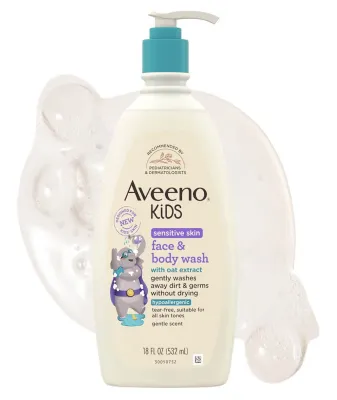
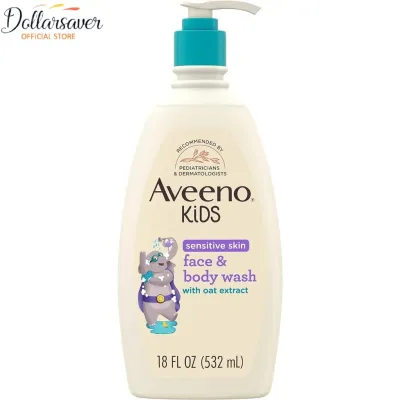
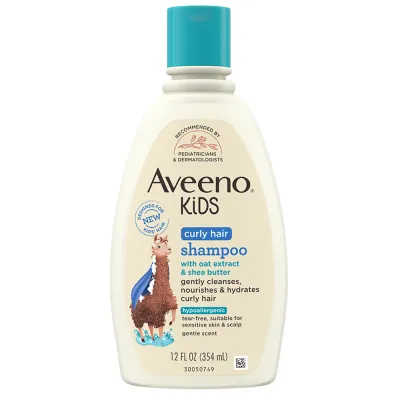
![[Local Delivery] Aveeno Baby Daily Moisture Gentle Body Wash & Shampoo 2-in-1 Baby Bath Wash & Hair Shampoo 236ml 532ml](https://img.lazcdn.com/g/p/f9ca92b04075eb2d372b9028d8a66ba3.jpg_400x400q80.jpg_.webp)
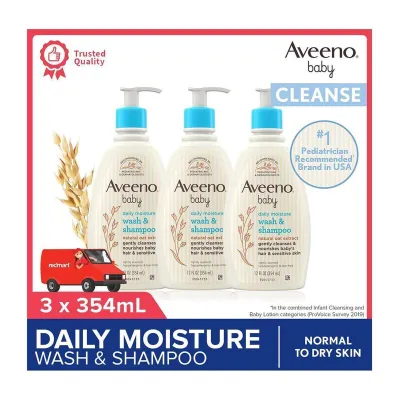
Prices are valid at publication and may change. Please refer to the product page for the latest price.
The regulatory framework for cosmetic products in Singapore places the primary responsibility for safety on the local distributor or manufacturer. They must ensure that the product does not contain prohibited substances, complies with restricted ingredient limits, and is manufactured under good practices. The HSA monitors these products through post-market surveillance, which includes sampling products from retail shelves and responding to reports of adverse reactions.
Because regulatory statuses, local distributors, and product formulations can change over time, parents should not assume a product remains unchanged indefinitely. A formulation sold years ago may have different ingredients today, or a variant imported from a different region might not carry the same local notification. Periodic verification of the products you buy is a necessary habit to ensure your child’s skincare routine remains compliant with local standards.
How to Verify the HSA Status of Aveeno Body Wash
To ensure the Aveeno body wash you purchase has been properly notified to the local authorities, you can take several active steps to verify its regulatory standing. The HSA maintains public registers that allow consumers to check the notification status of cosmetic products sold in Singapore.

You can navigate to the official HSA portal and access the cosmetic product notification database. When using the search function, it is important to search by the exact product name and variant. Aveeno offers a wide range of formulations, such as the Daily Moisture, Eczema Therapy, Calming Comfort, and specific “Kids” lines. A notification is specific to a particular variant and formulation; therefore, verifying the exact name printed on your bottle ensures you are looking at the correct regulatory record.
In addition to online databases, you should carefully inspect the physical packaging of the product upon purchase. Legally notified cosmetic products sold in Singapore typically feature labeling that includes the details of the local importer or distributor, the batch number, and the country of manufacture. If you purchase a bottle from an online marketplace or a parallel importer, it may lack local distributor details. While parallel imports are common, verifying that the product comes from a reputable source helps ensure it has been stored and transported under conditions that preserve its safety and quality.
Keep in mind that packaging designs and distributor details can vary. If you cannot find a matching notification or if the labeling seems inconsistent, you can contact the local distributor listed on the packaging or reach out to the retailer for clarification before using the product on your child.
Evaluating Ingredient Safety for Children's Skin
Children’s skin is significantly thinner and more permeable than adult skin, making it highly sensitive to external substances. When evaluating any body wash, including Aveeno variants, parents must look closely at the ingredient list to determine if the formulation aligns with general pediatric skincare recommendations.
Aveeno products are widely known for incorporating colloidal oatmeal, which is finely ground oat flour. In pediatric skincare, colloidal oatmeal is frequently utilized for its ability to help support the skin’s natural moisture barrier and soothe dry, sensitive skin. It forms a protective film over the skin surface, helping to lock in hydration. While generally well-tolerated, even natural ingredients can occasionally trigger sensitivities in children with specific allergies, making it important to monitor your child’s skin during initial use.
Beyond the active soothing agents, you must identify potential irritants that might be present depending on the specific product variant. Added synthetic fragrances, essential oils, and certain preservatives can cause contact dermatitis in sensitive individuals. Even products labeled “gentle” or “for kids” may contain fragrances to enhance the bathing experience. If your child has extremely sensitive skin or eczema, opting for fragrance-free variants is generally recommended.
To systematically evaluate a product, establish a practical framework for comparing ingredient lists. Look for mild surfactants, such as coco-glucoside or sodium cocoyl isethionate, which cleanse without stripping the skin’s natural oils. Avoid harsh surfactants like sodium lauryl sulfate (SLS), which can disrupt the skin barrier. Compare the ingredient list on the physical bottle against known allergens or substances your child has previously reacted to, rather than relying solely on front-of-pack marketing claims.
Safe Usage Practices and Patch Testing
Introducing any new bath product to your child’s routine requires a cautious approach to minimize the risk of an adverse reaction. Even if a product is properly notified to the HSA and formulated with gentle ingredients, individual sensitivities can still occur.
Before using a new body wash for a full bath, conduct a preliminary patch test. Apply a very small, pea-sized amount of the diluted body wash to a discreet area of your child’s skin, such as the inner forearm or the side of the neck. Leave the product on the skin for the duration of a typical bath, then rinse it off thoroughly with lukewarm water. Observe the area over the next 24 to 48 hours for any signs of redness, swelling, itching, or bumps. If no reaction occurs, the product is generally considered suitable for broader use.
When bathing your child, practice proper techniques to protect their skin barrier. Use lukewarm water rather than hot water, as high temperatures can dry out the skin and exacerbate irritation. Dilute the body wash in your hands or on a soft washcloth before applying it gently to your child’s skin. Avoid vigorous scrubbing. Ensure you rinse the skin thoroughly with clean water, as dried soap residue left on the skin can lead to itching and irritation over time.
Proper storage of the product is also vital, especially in Singapore’s hot and humid climate. High humidity and warm temperatures in bathrooms can accelerate the degradation of preservatives and encourage bacterial or mold growth inside the bottle. Store the body wash in a cool, dry place away from direct sunlight and standing water. Always close the cap tightly after use to prevent water from entering the bottle, which can dilute the preservative system and compromise product integrity.
When to Stop Use and Seek Professional Help
Despite careful selection and patch testing, adverse skin reactions can still happen. Parents must be able to recognize the early warning signs of skin irritation and know when to discontinue use and seek medical advice.
Immediately stop using the body wash if you observe any signs of an adverse reaction. These signs include persistent redness, hives, raised bumps, dry or peeling patches, scaling, or if your child expresses discomfort, itching, or unusual fussiness during or after their bath. Continuing to use a product that irritates the skin can damage the skin barrier and potentially lead to secondary infections.
If a reaction occurs, initiate low-risk first-aid steps immediately. Gently rinse the affected area with cool, plain water to remove any remaining product residue. Pat the skin dry gently with a clean, soft towel, avoiding any rubbing or friction. Do not apply heavily fragranced lotions, home remedies, or over-the-counter medicated creams to the irritated area without professional guidance, as these can sometimes worsen the irritation.
If the skin reaction does not improve within 24 hours, if it spreads to other parts of the body, or if your child develops a fever or signs of infection (such as oozing or extreme tenderness), consult a pediatrician or a pediatric dermatologist. A qualified professional can provide an accurate diagnosis and recommend appropriate treatment, helping you navigate your child’s skincare needs safely.
Frequently Asked Questions (FAQ)
Can I use Aveeno body wash on a newborn?
Newborn skin is exceptionally delicate, thin, and still developing its natural protective barrier. During the first few weeks of life, cleansing with plain lukewarm water is often sufficient for a newborn’s hygiene needs. If you plan to introduce a commercial bath product, you must check the manufacturer’s packaging for explicit age recommendations, as some formulations are designed specifically for older infants or toddlers. It is highly recommended to consult a pediatrician before using any commercial body wash on a newborn under one month old, particularly if the infant has dry, peeling, or compromised skin.
Does the kids' body wash contain parabens or sulfates?
The presence of parabens, sulfates, or other specific chemical ingredients can vary significantly depending on the exact product line, regional manufacturing batches, and formulation updates. While many modern children’s bath products are formulated without these ingredients, you should not rely on general brand marketing or outdated online descriptions. To verify whether a specific Aveeno kids body wash contains parabens or sulfates, always read the current ingredient list printed directly on the physical packaging of the bottle you intend to purchase in Singapore.

Community discussion
Share your experience or ask a question. Comments are reviewed before publication.