
Newborn skin is incredibly delicate, often up to three times thinner than adult skin, making it highly susceptible to irritation from chemical residues left on clothing. When evaluating Attitude baby laundry detergent, many parents are drawn to its reputation for plant-based, hypoallergenic formulations. However, determining whether a specific bottle is safe for your newborn requires looking beyond the front label and examining the exact ingredient list of the variant you choose.
How to Check Your Attitude Detergent Ingredient List
Attitude offers several variants of its baby laundry detergent, including Fragrance-Free, Pear Nectar, Sweet Lullaby, and specialized Sensitive Skin lines. Each variant uses a slightly different blend of ingredients to achieve its scent profile or targeted skin benefits. For newborns, especially those with a family history of eczema or highly reactive skin, the specific variant you select can make a significant difference in skin compatibility.
To find the most accurate and up-to-date ingredient list, always check the physical label on the back of the bottle or refer directly to the manufacturer’s official website. Formulations can change over time due to regulatory updates or sourcing adjustments, meaning online reviews or older blog posts might display outdated ingredient profiles. Checking the physical packaging ensures you are reviewing the exact formulation currently in your hands.
Products mentioned in this guide
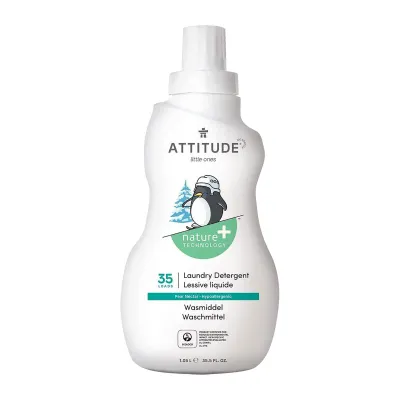
Prices are valid at publication and may change. Please refer to the product page for the latest price.
When reading the ingredient list, look for the primary cleaning agents, which are typically listed near the top. Plant-derived surfactants commonly used in these formulations include caprylyl glucoside and myristyl glucoside. These are glucose-derived cleaning agents known for their mildness compared to conventional synthetic surfactants. Understanding how to spot these plant-based alternatives helps you verify that the product relies on gentle chemistry rather than harsh industrial degreasers.
What to Look for (and Avoid) in Newborn Detergents
When selecting any laundry detergent for a newborn, certain chemical classes should ideally be avoided to minimize the risk of contact dermatitis. Optical brighteners, which are synthetic chemicals designed to remain on fabrics to reflect light and make clothes appear whiter, can rub off on a baby’s skin and cause irritation. Similarly, synthetic dyes serve no functional cleaning purpose and are common culprits behind skin sensitivity.

Sulfates, such as sodium lauryl sulfate (SLS) or sodium laureth sulfate (SLES), are powerful foaming agents often found in standard household detergents. While highly effective at cutting grease, they can strip the natural lipid barrier of newborn skin, leading to dryness and redness. Checking the label to ensure the formula is free from these harsh sulfates is a crucial step in protecting your baby’s skin barrier.
Fragrances, whether synthetic or derived from natural essential oils, represent another major category of potential skin sensitizers. Even natural essential oils contain volatile organic compounds like limonene or linalool, which can trigger allergic reactions on highly sensitive newborn skin. For this reason, pediatricians and dermatologists generally recommend choosing completely fragrance-free options for the first few months of a baby’s life.
Instead of harsh synthetics, a suitable newborn detergent should rely on gentle, biodegradable cleaning agents. Look for formulas that utilize water, plant-derived surfactants, and natural water softeners like sodium citrate. These ingredients are designed to lift soil and rinse away cleanly from fabric fibers, reducing the likelihood of leaving irritating residues behind.
How to Verify Safety and Hypoallergenic Certifications
Third-party certifications offer an independent layer of verification for parents navigating complex ingredient lists. When examining a bottle of Attitude detergent, look for recognized seals such as EWG Verified (Environmental Working Group) or ECOLOGO. These certifications indicate that the product has undergone independent review to meet specific standards regarding ingredient safety, environmental impact, and manufacturing transparency.
An EWG Verified seal, for example, means the product avoids ingredients of concern and provides full ingredient disclosure, while ECOLOGO certification focuses on reduced environmental impact throughout the product’s lifecycle. Dermatologist-tested claims are also common, indicating that the formula has been evaluated under clinical supervision to assess its potential for skin irritation. However, parents should remember that “hypoallergenic” is not a legally defined medical term, making third-party verification seals highly valuable.
If you notice that certification marks are missing, faded, or look different from official logos, exercise caution. This can sometimes occur with counterfeit products or items purchased from unauthorized third-party sellers on online marketplaces. To ensure you are getting an authentic, certified product, purchase your baby detergent directly from the brand’s official store or reputable, authorized local retailers.
Safe Laundry Practices for Newborn Skin
Even the gentlest detergent can cause issues if not used correctly, making your laundry routine just as important as the product you buy. Always wash all new baby clothes, swaddles, blankets, and crib sheets before your newborn uses them. New fabrics often carry manufacturing residues, chemical finishes, or dust from shipping and handling that can easily irritate fresh newborn skin.
In warm, humid climates like Singapore’s, sweat can easily mix with detergent residues trapped in clothing fibers, potentially exacerbating skin irritation and heat rashes. This makes a thorough rinse cycle even more critical for local households.
Using the correct dosage is another critical factor in preventing skin irritation. Overusing detergent does not make clothes cleaner; instead, it prevents the washing machine from rinsing the soap out completely, leaving a concentrated residue on the fabric. Follow the manufacturer’s dosage instructions carefully, and consider adding an extra rinse cycle to your washing machine settings to ensure every trace of detergent is thoroughly flushed away.
Before washing an entire load of baby clothes in a new detergent, you can perform a simple patch test. Wash a single small item, such as a baby mitten or a small patch of a bodysuit, in the new detergent, and let your baby wear it for a few hours while monitoring their skin. If you notice any signs of redness, bumps, dryness, or discomfort, stop using the detergent immediately, wash the clothing in plain water, and consult a qualified healthcare professional or pediatrician for guidance.
Frequently Asked Questions (FAQ)
Can I use Attitude baby detergent for the whole family's laundry?
Yes, you can absolutely use Attitude baby detergent for the entire family’s laundry. Because these formulas are designed to be exceptionally gentle and free from harsh residues, they are highly suitable for older children and adults, particularly those with sensitive skin or eczema. However, baby detergents are formulated to target organic baby stains like milk and spit-up rather than heavy industrial grease or mud. While they offer excellent cleaning power for everyday wear, they may be less cost-effective for large family loads compared to standard detergents, so some families choose to transition back to regular formulas once their children are older and their skin barriers are more robust.
What should I do if my newborn develops a rash after washing with a new detergent?
If your newborn develops a skin rash or shows signs of irritation after you switch to a new laundry detergent, stop using that product immediately. Remove the affected clothing and rewash all of your baby’s garments, bedding, and blankets in plain, warm water or a detergent you know is safe for their skin to strip away any lingering residues. Keep the baby’s skin clean and dry, and avoid applying heavily fragranced lotions or creams to the irritated areas. If the rash persists, spreads, causes obvious discomfort, or is accompanied by other symptoms, consult a pediatrician or a qualified healthcare professional promptly to obtain an accurate diagnosis and treatment plan.

Community discussion
Share your experience or ask a question. Comments are reviewed before publication.