
When evaluating the safety of baby bath products like Atopalm Kids Shampoo, parents must look beyond marketing claims and understand the regulatory landscape. In Singapore, the Health Sciences Authority (HSA) oversees the safety of cosmetics and personal care items. Because specific product formulations and regulatory statuses can change, this guide will not make absolute safety guarantees. Instead, it provides a clear framework to help you independently verify the compliance of Atopalm Kids Shampoo, understand what HSA standards mean for infant care, and establish safe usage boundaries for your child’s sensitive skin.
Understanding HSA Safety Standards for Baby Bath Products in Singapore
In Singapore, the Health Sciences Authority (HSA) is the government agency responsible for regulating health products, including cosmetics and personal care items. Baby shampoos, body washes, and lotions fall under the regulatory category of cosmetic products. Unlike therapeutic medications, which undergo a rigorous pre-market approval process, cosmetic products do not receive an official approval stamp before they hit retail shelves. Instead, the regulatory framework relies on a notification system.
Under the ASEAN Cosmetic Directive, which Singapore implements, companies must submit a product notification to the HSA before placing a cosmetic product on the local market. This notification is not an endorsement of safety or efficacy by the HSA. Rather, it is a formal declaration by the manufacturer, importer, or local distributor that the product complies with all safety guidelines, contains only permitted ingredients within safe limits, and is manufactured under good manufacturing practices. The responsibility for ensuring safety lies squarely on the company selling the product.
Products mentioned in this guide
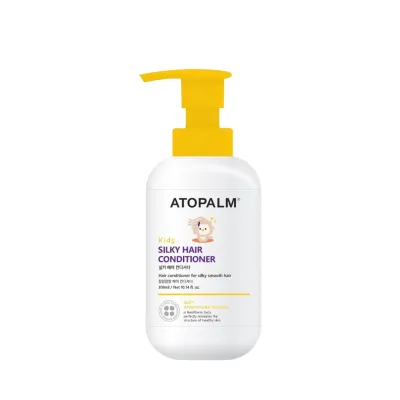
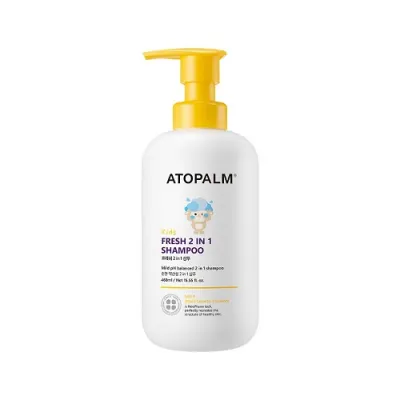
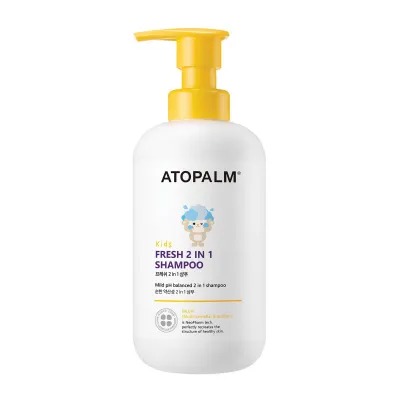
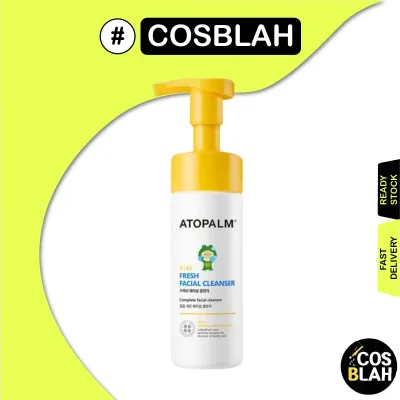
Prices are valid at publication and may change. Please refer to the product page for the latest price.
While all cosmetics must meet basic safety standards, products marketed specifically for babies and young children face much stricter scrutiny. The skin barrier of an infant or young child is significantly thinner and more permeable than that of an adult, making it highly susceptible to chemical absorption and irritation. Consequently, the HSA maintains stringent guidelines regarding restricted or prohibited ingredients in formulations intended for children under three years of age. Certain preservatives, colorants, and fragrance compounds that are deemed safe for adult use may be strictly limited or entirely banned in baby care formulations.
To help parents navigate these standards, the HSA provides public access to regulatory updates, safety alerts, and lists of recalled products on its official website. Parents can use these online resources to check if a particular brand or batch has been flagged for safety violations, contamination, or undeclared ingredients. Understanding this distinction between a simple notification and an active safety endorsement is the first step in making informed purchasing decisions for your child’s bath routine.
How to Verify the Safety and Compliance of Atopalm Kids Shampoo
When purchasing Atopalm Kids Shampoo or any other children’s bath product in Singapore, you should first inspect the physical packaging. Legitimate products imported through authorized channels must display clear, legible labeling in English. This label should include the full ingredient list, the country of manufacture, the batch number, and the contact details of the local importer or distributor. If you purchase a bottle that lacks local importer details or features incomplete labeling, it may be a parallel import or a counterfeit product that has bypassed local regulatory checks.

To verify the compliance of your specific bottle of Atopalm Kids Shampoo, you can cross-reference the importer details with official channels. Authorized local distributors in Singapore typically register their products with the HSA, ensuring that the specific formulation sold locally complies with regional standards. If you are purchasing from an online marketplace or an ecommerce platform, verify that the seller is an authorized retailer or a reputable local pharmacy. Avoid buying from unverified overseas sellers, as the formulations sold in other regions may differ from those notified to the HSA for the Singapore market.
Another critical step is to check the packaging for age-appropriateness and specific usage instructions. Manufacturers design different formulations for different developmental stages. For instance, a product labeled for kids may contain mild surfactants suitable for older children but might not be formulated for the ultra-sensitive skin of newborns or infants. Always read the manufacturer’s age recommendations on the back of the bottle. If the label does not explicitly state that it is safe for newborns, do not assume it is suitable for your infant.
Finally, look for specific manufacturer warnings and storage instructions. Many baby bath products require storage away from direct sunlight and extreme heat to prevent the degradation of natural preservatives or active ingredients. In Singapore’s warm and humid climate, improper storage can lead to bacterial growth or chemical instability within the bottle. Verifying these physical and regulatory details before the first use helps ensure that the product remains safe and effective throughout its shelf life.
Common Ingredients to Check on Baby Shampoo Labels
Reading the ingredient list, often formatted as the International Nomenclature of Cosmetic Ingredients (INCI), is one of the most reliable ways to evaluate a shampoo’s suitability for your child. Ingredients are listed in descending order of concentration, meaning the components at the top of the list make up the majority of the product. For baby shampoos, the primary ingredients should ideally be mild, non-stripping cleansing agents rather than harsh surfactants.
When reviewing the label of Atopalm Kids Shampoo or similar products, pay close attention to the surfactants used. Strong surfactants, such as sodium lauryl sulfate (SLS) or sodium laureth sulfate (SLES), are commonly used in adult shampoos to create a rich lather. However, these ingredients can strip the natural lipid barrier of a child’s scalp, leading to dryness, itching, and irritation. Look instead for gentle, plant-derived surfactants, such as coco-glucoside, decyl glucoside, or lauryl glucoside, which cleanse without severely disrupting the skin barrier.
Preservatives are another crucial category to monitor. Because bath products are frequently exposed to water and warm air, they require preservatives to prevent the growth of harmful mold and bacteria. However, certain traditional preservatives, such as parabens, methylisothiazolinone (MIT), and formaldehyde-releasers, have been associated with skin sensitization and allergic contact dermatitis in children. Many modern baby formulations utilize alternative, milder preserving systems, but parents should still verify that the product is free from known sensitizers.
Fragrances and essential oils also require careful consideration. While a pleasant scent is appealing, synthetic fragrances are among the most common triggers for pediatric skin allergies. Even natural essential oils can contain volatile compounds that irritate sensitive skin or trigger eczema flare-ups. If your child has a history of sensitive skin, eczema, or cradle cap, opting for fragrance-free formulations is generally the safest approach. If you are ever uncertain about a specific ingredient or if your child has a pre-existing skin condition, consult a pediatrician or a pediatric dermatologist for personalized guidance before introducing a new product.
Safe Usage Guidelines and When to Discontinue
Even when using a highly rated, compliant product like Atopalm Kids Shampoo, proper application techniques are essential to minimize the risk of irritation. Always start by performing a patch test before incorporating any new shampoo into your child’s regular bath routine. Apply a small, diluted amount of the shampoo to a patch of healthy skin, such as the inner forearm or the side of the neck, during bath time. Rinse it off thoroughly and monitor the area for 24 to 48 hours. If no redness, swelling, or itching occurs, the product is generally safe to use on the scalp.
During the actual bath, ensure the water temperature is lukewarm rather than hot, as hot water can exacerbate skin dryness and increase the permeability of the skin barrier. Dilute a small amount of shampoo in your hands with water before applying it gently to your child’s wet hair. Avoid vigorous scrubbing, which can irritate the hair follicles and scalp. Even if a product is marketed as tear-free, make every effort to keep the lather away from your child’s eyes and rinse the hair thoroughly with clean, running water to ensure no soapy residue remains.
Caregivers must remain vigilant for any signs of an adverse reaction during and after use. Observable signals of skin irritation or allergic contact dermatitis include localized redness on the scalp or hairline, excessive dryness, flaking, peeling skin, or small raised bumps. In younger children who cannot communicate physical discomfort, unusual fussiness, scratching at the head, or crying during or immediately after a bath can also indicate skin discomfort or burning.
If you observe any of these signs, you must discontinue using the product immediately. Thoroughly rinse your child’s scalp and skin with cool or lukewarm water to remove any remaining residue, and gently pat the area dry with a clean, soft towel. Do not apply other scented lotions or home remedies to the irritated area. If the redness persists, spreads, or is accompanied by swelling, oozing, or signs of infection, seek a prompt evaluation from a qualified healthcare professional or pediatrician to ensure proper treatment and to identify the specific allergen.
Frequently Asked Questions (FAQ)
Do all baby shampoos need HSA approval in Singapore?
In Singapore, baby shampoos do not undergo a formal pre-market approval process by the HSA. Instead, they are regulated under the cosmetic notification framework. Importers or local manufacturers must submit a product notification to the HSA before the product can be sold to the public. This notification confirms that the company has declared compliance with safety standards and ingredient restrictions. To ensure you are buying a compliant product, purchase from reputable local retailers and check the HSA website for any active safety alerts or product recalls.
What should I do if my child has an allergic reaction to a shampoo?
If your child shows signs of an allergic reaction, stop using the shampoo immediately. Gently rinse the affected area with plenty of lukewarm water to remove all traces of the product, then pat the skin dry with a clean towel. Avoid applying any self-prescribed creams or ointments. If the irritation does not improve, or if you notice severe symptoms like swelling, hives, difficulty breathing, or extreme distress, seek immediate medical attention from a pediatrician or dermatologist.

Community discussion
Share your experience or ask a question. Comments are reviewed before publication.