
Determining whether alcohol-based hand sanitizers are safe for young children involves balancing effective hygiene with the delicate nature of developing skin. While these products are generally safe when used correctly under adult supervision, factors like alcohol concentration, existing skin conditions, and proper application techniques play a critical role in preventing irritation and ensuring safety. This guide helps you evaluate product labels, recognize signs of skin sensitivity, and establish safe usage habits for your child.
To protect your child’s skin while keeping germs at bay, you need to understand how to select the right product, recognize early signs of skin irritation, and establish safe application habits. Balancing effective hygiene with skin preservation requires looking closely at product labels, understanding the unique challenges of your local environment, and knowing when to put the sanitizer away in favor of gentle soap and water.
Reading the Label: Alcohol Concentration in Kids Hand Sanitizers
When shopping for a kids hand sanitizer, the product label is your first line of defense. Public health guidelines generally recommend that hand sanitizers contain an alcohol concentration of at least 60% to be effective against a broad spectrum of germs. For children, you should look for formulations that stay within the 60% to 70% range. While higher concentrations exist, they are often more drying and are rarely necessary for everyday pediatric use.
Products mentioned in this guide
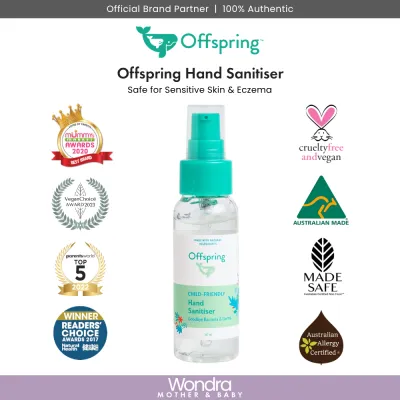
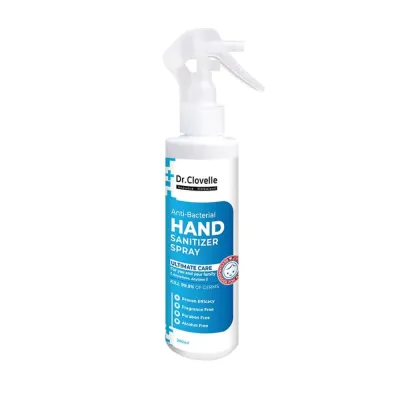
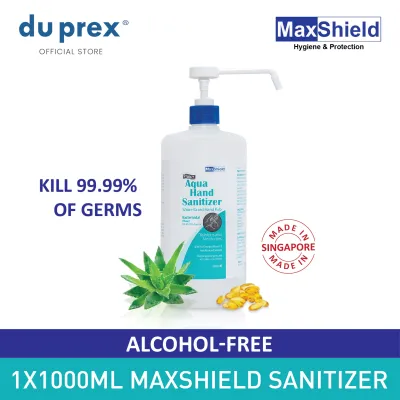

Prices are valid at publication and may change. Please refer to the product page for the latest price.
Reading the active ingredients list helps you understand exactly what you are putting on your child’s hands. Most sanitizers use either ethyl alcohol (ethanol) or isopropyl alcohol (isopropanol). Ethyl alcohol is often considered slightly less drying and has a less pungent chemical odor than isopropyl alcohol, making it a common choice for children’s products. However, you must carefully verify that the product does not contain methanol or 1-propanol. These are toxic forms of alcohol that can be absorbed through the skin or cause severe poisoning if ingested. Always check safety alerts from local health authorities to ensure the brand you choose is fully compliant and free from these dangerous contaminants.
Beyond the active sanitizing agent, pay close attention to inactive ingredients. Many commercial sanitizers contain synthetic fragrances, artificial colorants, and harsh preservatives like parabens or formaldehyde releasers. These additives serve no hygienic purpose and are primary triggers for allergic contact dermatitis in young children. Opt for fragrance-free and dye-free formulations to minimize the risk of skin sensitization.
To counteract the naturally dehydrating effects of alcohol, high-quality pediatric hand sanitizers often include skin-conditioning agents. Look for ingredients like glycerin, aloe vera, tocopherol (vitamin E), or lipids on the label. Glycerin acts as a humectant, drawing moisture into the skin barrier even as the alcohol evaporates. Aloe vera provides a soothing, cooling effect that helps calm minor irritation. Choosing a formula that balances sanitizing power with these nourishing emollients is key to maintaining your child’s skin health during frequent use.
Recognizing How Alcohol Affects Sensitive Skin
A child’s skin is structurally different from an adult’s. The outer layer of the epidermis, known as the stratum corneum, is thinner, and the individual skin cells are smaller. This structural difference means that a child’s skin barrier is highly permeable and loses moisture much faster than adult skin. When you apply an alcohol-based sanitizer, the alcohol rapidly dissolves the natural oils and lipids that bind these skin cells together. Without this protective lipid barrier, moisture escapes easily, leaving the skin vulnerable to environmental irritants.

As a caregiver, you must actively monitor your child’s hands for early signs of skin distress. Initial symptoms of dryness often present as a rough texture, fine scaling, or a dull appearance on the backs of the hands and between the fingers. If the irritation progresses, you may notice visible redness, peeling, or small cracks in the skin. In children with sensitive skin or pre-existing conditions like atopic dermatitis (eczema), frequent sanitizer use can trigger painful flare-ups characterized by intense itching, swelling, or localized inflammation.
Environmental factors can significantly compound these drying effects. In Singapore, children frequently transition between the intense heat and high humidity of the outdoors and the dry, cool air of air-conditioned indoor environments like preschools, shopping malls, and indoor play areas. This rapid fluctuation in temperature and humidity levels places additional stress on the skin barrier. When combined with the frequent application of alcohol-based sanitizers, the skin can quickly become severely dehydrated, cracked, and painful.
If you observe persistent redness, deep cracking, bleeding, or signs of infection such as pus or extreme tenderness, you should immediately pause the use of all alcohol-based products. Wash your child’s hands only with plain water or an ultra-gentle, soap-free cleanser, and apply a thick, fragrance-free emollient. If the skin does not improve within a few days, or if your child experiences significant discomfort, consult a pediatrician or a dermatologist for professional guidance and targeted treatment options.
Supervising Safe Application and Preventing Accidents
Because young children are naturally curious and prone to putting their hands in their mouths or rubbing their eyes, adult supervision is absolutely mandatory whenever hand sanitizer is used. You should never allow a toddler or young child to carry a bottle of sanitizer unsupervised or apply it themselves. Keep these products stored securely out of their reach, and avoid hanging sanitizer dispensers from strollers or backpacks where a child can easily access, squeeze, or play with them.
When applying sanitizer, dispense a small, pea-sized amount into the palm of your child’s hand. Instruct them—or assist them—to rub their hands together vigorously, covering all surfaces. This includes the backs of the hands, the spaces between the fingers, and around the fingernails. The most critical safety rule is to ensure that the product rubs in completely and dries entirely before the child touches anything else or puts their hands near their face. The drying process typically takes about 15 to 20 seconds. If a child licks their hands while the sanitizer is still wet, they can ingest a concentrated dose of alcohol, which poses a risk of alcohol poisoning even in small quantities.
Accidental eye contact is another common hazard, especially with pump dispensers placed at a child’s eye level on countertops or tables. If hand sanitizer accidentally splashes into your child’s eyes, it will cause immediate, intense burning and redness. Act quickly by flushing the eye gently with lukewarm tap water for at least 10 to 15 minutes. Have the child blink repeatedly while flushing, and do not allow them to rub their eyes, as this can worsen corneal irritation. If the redness, pain, or tearing persists after thorough flushing, seek immediate medical evaluation.
In the event of accidental ingestion, do not induce vomiting. If your child swallows a small amount, wipe out their mouth with a damp cloth and give them a few sips of water or milk to rinse their mouth and throat. Monitor them closely for signs of alcohol intoxication, which include drowsiness, confusion, difficulty walking, slurred speech, or vomiting. If you suspect they have swallowed more than a tiny lick, or if they exhibit any unusual symptoms, contact emergency medical services or your local poison control center immediately for guidance.
When to Switch to Soap, Water, or Alcohol-Free Alternatives
While hand sanitizers are incredibly convenient, they are not a complete replacement for traditional handwashing. Soap and water remain the gold standard for hand hygiene and should always be your first choice when available. Sanitizers work by neutralizing germs on the skin’s surface, but they do not physically remove dirt, grease, soil, or harmful chemicals. If your child’s hands are visibly soiled after playing in the dirt, eating, or visiting a playground, alcohol-based sanitizers will not be fully effective. The physical friction of washing with soap and running water is necessary to lift and wash away these contaminants.
There are also specific medical scenarios where you should actively avoid alcohol-based sanitizers. If your child has active eczema flare-ups, open cuts, scrapes, or raw skin from scratching, applying alcohol will cause an intense, painful stinging sensation and can delay the healing process. In these situations, washing with a gentle, soap-free, hypoallergenic cleanser and water is much more comfortable and safer for the skin barrier.
If you are in a situation where soap and water are unavailable and your child’s skin cannot tolerate alcohol, you might consider alcohol-free alternatives. These products typically use active ingredients like benzalkonium chloride to reduce germs. When evaluating these alternatives, look for gentle, alcohol-free sanitizing wipes or foams that are specifically formulated for sensitive skin and free from added fragrances.
However, it is vital to understand the limitations of alcohol-free sanitizers. Benzalkonium chloride-based products generally take longer to work and may not be as effective against certain types of viruses and bacteria compared to alcohol-based formulations. They should be viewed as a temporary, secondary option for sensitive skin rather than a direct, equal substitute for standard alcohol-based sanitizers or thorough handwashing. Always prioritize soap and water whenever possible to keep your child’s hands clean and their skin barrier intact.
Frequently Asked Questions (FAQ)
Can I use adult hand sanitizer on my child?
It is generally best to avoid using adult hand sanitizers on young children, especially if the child has sensitive skin. Adult formulations often contain higher concentrations of alcohol, sometimes exceeding 75% or 80%, which can be excessively drying for a child’s delicate skin barrier. Additionally, adult products frequently feature strong synthetic fragrances, essential oils, or cooling agents like menthol that can trigger allergic reactions or severe skin irritation in young kids. If you must use an adult sanitizer in an emergency, dispense a very small amount, supervise the application closely until it is completely dry, and follow up with a gentle moisturizer as soon as possible.
Is expired hand sanitizer safe for kids' skin?
Using expired hand sanitizer is generally not recommended, primarily because of reduced efficacy rather than direct chemical danger to the skin. Over time, the active alcohol in the sanitizer gradually evaporates, especially if the container has been opened or exposed to heat. When the alcohol concentration drops below the effective 60% threshold, the product can no longer reliably kill germs, leaving your child unprotected against pathogens. While the expired product itself is unlikely to cause new skin irritation, it fails to provide the hygiene protection you expect. Check the expiration date printed on the bottle and discard any expired products.

Community discussion
Share your experience or ask a question. Comments are reviewed before publication.