
Stainless steel kids plates are a highly durable and practical option for daily family meals, provided they are made from verified food-grade materials. Unlike plastic alternatives, high-quality stainless steel does not retain strong food odors, resists staining, and does not leach chemical plasticizers when exposed to warm foods. However, ensuring these plates are entirely safe for your child requires careful attention to material grades, physical wear, and proper usage boundaries. Parents must look beyond appealing designs to verify the physical markings and manufacturer declarations before introducing these plates to the dining table.
Understanding Stainless Steel Grades for Kids' Tableware
When shopping for children’s tableware, the first and most critical step is identifying the specific grade of stainless steel used in production. Reputable manufacturers typically stamp this information directly onto the underside of the plate, or print it clearly on the product packaging and accompanying inserts. If a plate lacks any visible material markings on the metal itself or its packaging, it is best to avoid purchasing it.
The most common numbers you will encounter are 304, 18/8, and 316. In manufacturing specifications, 304 and 18/8 are essentially the same class of high-quality, food-grade stainless steel. The “18/8” designation indicates that the alloy contains approximately 18% chromium and 8% nickel, a combination that provides excellent resistance to corrosion, rust, and daily wear. The 316 grade is an even higher specification that includes molybdenum, which enhances resistance to acids and salts, making it common in medical and premium culinary equipment.
Products mentioned in this guide
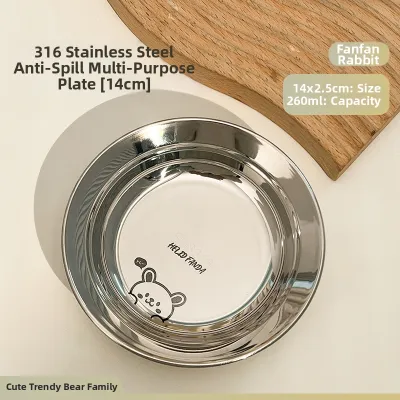
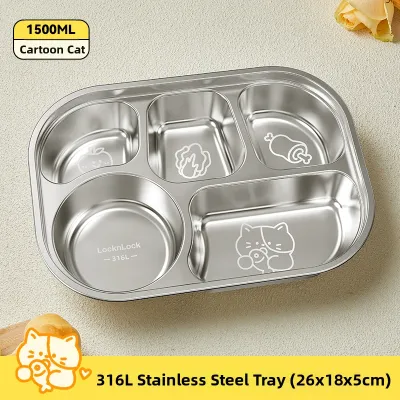
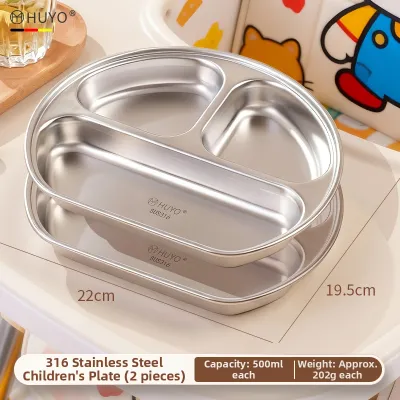
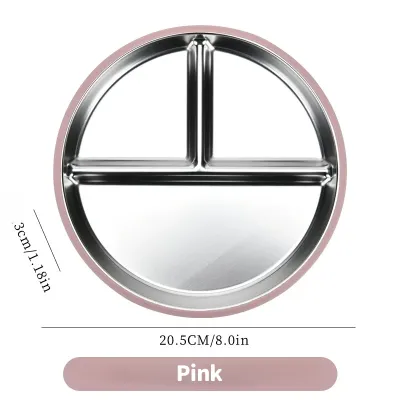
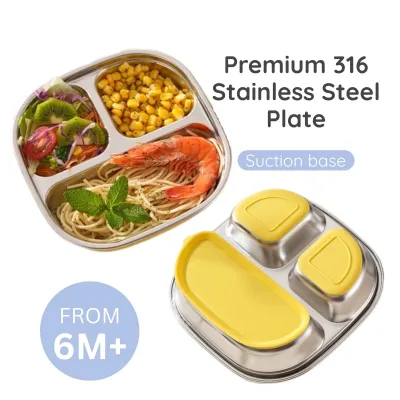
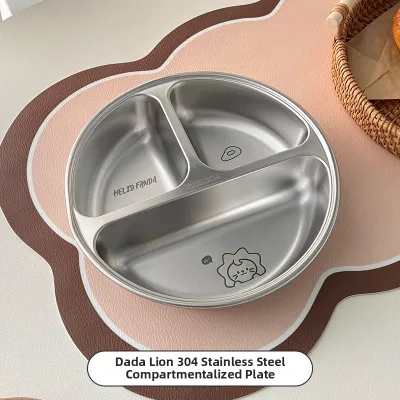
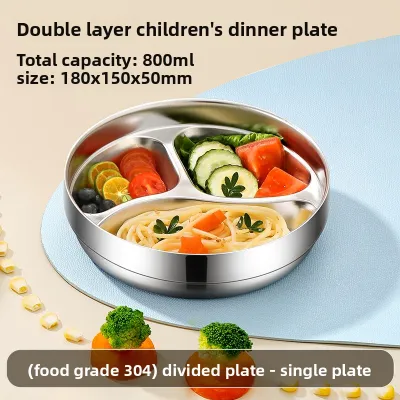
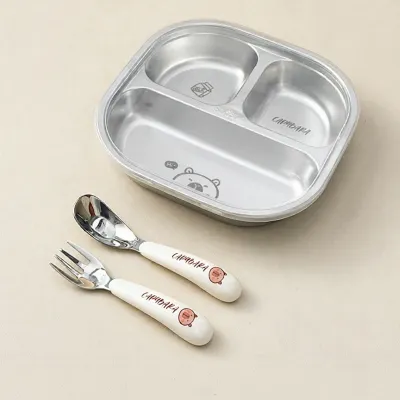
Prices are valid at publication and may change. Please refer to the product page for the latest price.
Verifying these food-grade designations is essential because lower-grade stainless steel alloys, such as the 200-series, are often used in industrial applications to cut costs. These cheaper alternatives contain less nickel and higher levels of manganese, making them far more susceptible to rusting and chemical degradation when exposed to moisture and food acids. Ensuring your child’s plate is made of verified 304 or 316 stainless steel guarantees that the material is stable enough for daily contact with a wide variety of foods.
Potential Safety Concerns and Usage Boundaries
While food-grade stainless steel is exceptionally durable, it is not entirely inert under all conditions, and parents should observe specific usage limits to maintain its safety. For instance, highly acidic or salty foods, such as tomato-based pasta sauces, citrus fruits, or heavily salted broths, can interact with the metal surface if left in contact for extended periods. It is wise to check the manufacturer’s guidelines for any specific time limits or temperature restrictions regarding acidic food storage.

Physical wear is another factor that can compromise the safety and hygiene of a metal plate over time. Regularly inspect your child’s tableware for deep scratches, pitting, rust spots, or peeling decorative coatings. While minor surface scuffs are normal, deep gouges can harbor food particles and bacteria, making the plate difficult to sanitize thoroughly. If you notice any signs of persistent rust or if the plate features an outer painted design that has begun to flake, it is time to discontinue use and replace the item.
Additionally, parents must consider the rapid heat transfer properties of solid stainless steel. Metal conducts heat very quickly, meaning a single-wall stainless steel plate can become dangerously hot to the touch almost instantly when filled with warm rice, soup, or pasta. To prevent accidental burns, look for double-walled insulated designs or plates that feature a removable outer protective sleeve made of food-grade silicone or BPA-free plastic. These designs keep the exterior cool and safe for small hands to hold while keeping the food warm.
How to Verify Safety Claims and Certifications Before Buying
Navigating the retail market requires a practical approach to evaluating product labels and safety marks, especially when shopping online. Look for packaging that displays clear food-contact safety compliance symbols, such as the international wine glass and fork icon, or explicit written declarations of food-grade quality. These marks indicate that the manufacturer has subjected the material to standard testing protocols to verify its safety for food consumption.
When purchasing tableware from online marketplaces or e-commerce platforms in Singapore, product descriptions can sometimes feature generic or unverified claims. Upon receiving your delivery, immediately cross-reference the online seller’s claims with the physical product and its packaging. Check if the promised material grade, such as SUS304, is permanently stamped into the metal base of the plate rather than just printed on a removable sticker.
If you receive a plate that arrives in plain, unlabelled packaging without any manufacturer contact details, material declarations, or safety marks, you should treat it with caution. Do not hesitate to contact the seller to request official material specification sheets or safety certificates. If the seller cannot provide these documents, or if the physical product contradicts the online listing, it is safest to reject the product and request a refund. Investing a little extra time to verify these details ensures you are not exposing your child to unverified industrial metals.
Daily Cleaning and Maintenance for Safe Use
Maintaining the integrity of a stainless steel plate relies heavily on gentle, consistent cleaning routines that preserve its polished surface. Always use soft sponges, microfiber cloths, or silicone brushes paired with mild dishwashing liquid to clean the plate. Avoid using steel wool, abrasive scouring pads, or harsh chemical cleansers, as these abrasive tools will scratch the smooth metal surface, stripping away the protective chromium oxide layer and creating microscopic grooves where bacteria can multiply.
Proper drying practices are equally important, particularly in Singapore’s warm and humid climate. After washing, wipe the plate dry with a clean towel or place it in a well-ventilated drying rack to prevent water spots, mineral buildup, or localized surface corrosion. If your child’s plate features a removable silicone suction base or an outer protective sleeve, make sure to separate these components after every wash. Allowing moisture to remain trapped between the metal and silicone layers can quickly lead to mold and mildew growth.
Finally, always consult the manufacturer’s specific instructions regarding dishwasher safety and heat drying cycles. While high-quality stainless steel can easily withstand the heat of a dishwasher, the outer components, such as painted designs, silicone suction rings, or plastic sleeves, may warp, degrade, or lose their suction capabilities when exposed to high temperatures. Following these care guidelines ensures the plate remains hygienic and structurally sound for years of daily use.
Frequently Asked Questions (FAQ)
Can stainless steel plates go in the microwave?
No, solid stainless steel plates must never be placed in a microwave oven. Metal reflects microwave radiation, which can cause electrical arcing, sparks, and potential damage to your appliance, as well as posing a serious fire hazard. Always heat your child’s food in a microwave-safe ceramic or glass container first, and then transfer the warm food onto the stainless steel plate for serving.
Is it safe to use metal utensils on a stainless steel kids plate?
It is highly recommended to avoid using metal forks, spoons, or knives on your child’s stainless steel plate. Metal-on-metal contact will scratch and scrape the polished surface, which compromises the plate’s smooth finish and creates fine crevices where food residue and bacteria can accumulate. Instead, opt for gentle utensils made of food-grade silicone, rounded bamboo, or BPA-free plastic to preserve the plate’s surface.
What should I do if I notice rust or discoloration on the plate?
If you observe reddish-brown spots or dark discoloration, first check if it is a simple surface stain caused by mineral-rich tap water or iron transfer from other cookware. You can attempt to clean the spot by applying a gentle paste of baking soda and water, letting it sit for a few minutes, and wiping it with a soft sponge. If the spot remains or if the metal surface feels rough and pitted, the protective layer has broken down, and you should stop using the plate immediately.

Community discussion
Share your experience or ask a question. Comments are reviewed before publication.