
Choosing the safest baby plate set requires looking beyond attractive designs to understand how different materials perform under heat, wear, and daily washing. While silicone, plastic, and bamboo are all popular choices for weaning, no single material is universally superior or absolutely safe under all conditions. The safest option is always the one that is manufactured to strict food-contact standards, used strictly according to the manufacturer’s guidelines, and replaced at the first sign of wear. By learning how to evaluate labels, temperature limits, and material compositions, you can select a plate set that supports your child’s developmental stage while minimizing potential chemical or physical hazards.
Key Safety Labels and Specifications to Verify
Before purchasing any baby plate set, caregivers should carefully inspect the packaging for explicit food-contact safety declarations. Look for clear labeling indicating that the product complies with recognized food safety standards, such as food-grade material certifications. It is essential to verify that the product is free from potentially harmful chemical additives, including bisphenol A (BPA), phthalates, and heavy metals, which should be explicitly stated by the manufacturer.
In addition to chemical safety, the packaging or instruction manual must provide clear specifications regarding heat tolerance and cleaning compatibility. Some materials can withstand high-temperature sterilization, while others may degrade or release unwanted substances when exposed to extreme heat. Always check whether the plate is marked as microwave-safe, dishwasher-safe, or suitable for steam sterilization before exposing it to these environments.
Products mentioned in this guide
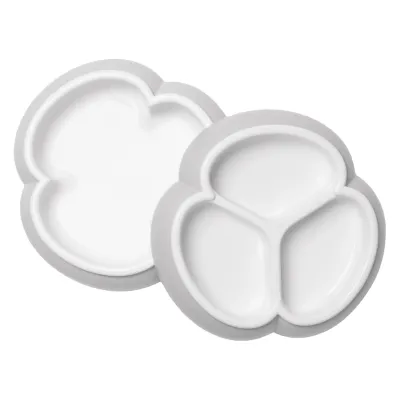
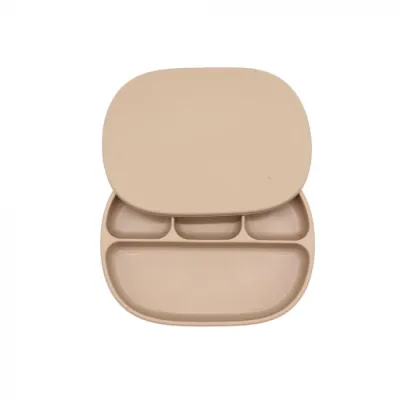
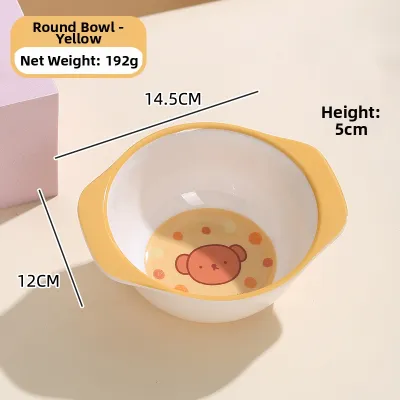
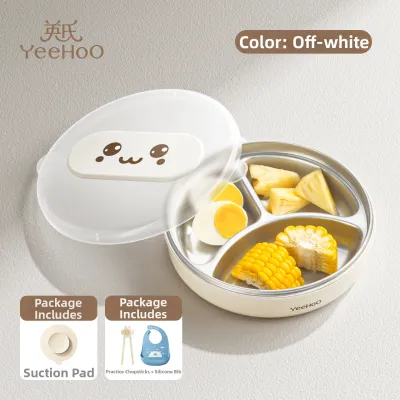
Prices are valid at publication and may change. Please refer to the product page for the latest price.
Finally, verify the manufacturer’s age and developmental stage recommendations. A plate designed for an older toddler may lack the stability or suction features required for an infant just starting solid foods, potentially leading to spills or frustration. Ensuring the product matches your baby’s current motor skills helps maintain a safe and controlled feeding environment.
Evaluating Silicone Baby Plate Sets
Silicone has become a staple in modern baby tableware due to its flexibility, durability, and resistance to breaking. When evaluating a silicone baby plate set, it is important to confirm that the product is made from 100% food-grade silicone. Some lower-quality silicone products may contain synthetic fillers, which can be identified if the material turns white when pinched or twisted. Additionally, check if the plate features an internal rigid core, often made of plastic or metal, to help it keep its shape; if so, ensure this core is completely sealed and cannot be exposed through wear.

While silicone is generally highly heat-resistant, you must always verify the manufacturer’s specific temperature limits before placing it in a microwave, oven, or high-temperature sterilizer. Exceeding these limits can compromise the structural integrity of the silicone, causing it to soften or degrade. Caregivers should also note that silicone is susceptible to absorbing oils and strong food odors, as well as soapy tastes from certain dishwashing detergents.
To maintain silicone plates, follow the brand’s specific care instructions, which often recommend using unscented, mild detergents and avoiding abrasive scrubbing pads. If a plate develops a persistent soapy taste or sticky residue, it may indicate surface degradation, and the manufacturer’s guidelines should be consulted for proper cleaning or replacement. Always supervise your baby during meals to ensure they do not chew on the flexible edges of the plate, which could pose a choking hazard if pieces become torn.
Navigating Plastic Baby Plate Options
Plastic baby plates are lightweight, highly affordable, and widely available, making them a common choice for busy households. However, navigating plastic options requires a careful look at the specific resin used in manufacturing. Caregivers should look for plastics like polypropylene (PP), which are commonly used for food containers and are generally labeled as BPA-free. Avoid any plastic tableware that does not clearly state its material composition or food-safe status on the packaging.
Using plastic plates safely depends heavily on adhering to the manufacturer’s heating and washing guidelines. Even plastics labeled as microwave-safe can experience localized overheating when oily or sugary foods are heated in them, which can lead to melting or warping. To minimize the risk of material degradation, it is often safest to heat food in glass or ceramic containers first, then transfer it to the plastic baby plate once it has cooled to a safe feeding temperature.
Regular inspection is crucial when using plastic tableware for infants and toddlers. Over time, the scraping of metal utensils, rough washing, or general wear can create deep scratches and a cloudy appearance on the plastic surface. These micro-scratches can harbor bacteria and make the plate difficult to sanitize thoroughly. If you observe deep scratches, cracking, warping, or persistent discoloration, it is time to retire the plate and replace it with a new one.
Assessing Bamboo and Plant-Based Plate Sets
Bamboo and plant-based baby plates are often marketed as eco-friendly alternatives, but they require close inspection regarding their chemical composition. Many bamboo plates on the market are not made of solid wood; instead, they consist of compressed bamboo fibers held together by a binder resin, which often contains melamine-formaldehyde. Caregivers must read the ingredient list carefully to verify whether the plate is solid bamboo or a composite material, as composite plant-based plastics can sometimes release chemical substances when exposed to hot liquids or acidic foods.
The natural properties of bamboo also demand specific maintenance routines to prevent physical hazards. Unlike silicone or plastic, bamboo is highly sensitive to moisture and temperature fluctuations, meaning these plates are rarely suitable for the microwave, oven, or dishwasher. Most manufacturers specify that bamboo plates must be hand-washed with mild soap, rinsed promptly, and dried thoroughly in a well-ventilated area to prevent mold growth and warping.
Because bamboo can dry out over time, caregivers should regularly monitor the plate’s surface for physical damage. Look closely for cracks, splinters, or rough edges that could injure a baby’s sensitive mouth or hands. If a bamboo plate develops a crack, moisture can seep deep into the wood, creating an environment where bacteria and mold can thrive. At the first sign of splitting, peeling, or persistent dampness, stop using the plate immediately.
Matching the Material to Your Baby's Feeding Stage
Selecting the right baby plate set involves matching the physical characteristics of the material to your child’s developmental milestones and motor skills. For infants who are just beginning their weaning journey, stability is the primary concern. Plates made of heavy silicone or those equipped with strong suction bases are ideal for this stage, as they help prevent the plate from being tipped over, slid off the high chair, or thrown across the room by an enthusiastic baby.
As your child transitions into a toddler and begins learning to self-feed with utensils, lightweight and shatterproof options become more practical. Toddlers often enjoy carrying their own tableware or practicing scooping food against the side of the plate. At this stage, lightweight plastic or durable silicone plates with raised, vertical edges can assist them in gathering food onto their spoons without creating excessive mess.
Ultimately, caregivers must balance the ease of cleaning with the child’s feeding habits. If your baby is prone to throwing tableware, a heavy or fragile plate can pose a safety risk to nearby surfaces or the child’s feet. By assessing how your baby interacts with their food and tableware, you can choose a material that minimizes mealtime stress while ensuring a hygienic and age-appropriate dining experience.
Frequently Asked Questions (FAQ)
Can I sterilize all baby plate materials in boiling water?
No, heat tolerance varies significantly depending on the specific material, chemical composition, and manufacturing process of the plate. While many high-quality silicone plates can withstand boiling water or steam sterilization, most plastic and bamboo composite plates will warp, crack, or degrade under extreme heat. Always consult the product’s instruction manual to verify the approved sterilization methods before exposing the plate to boiling water, steam, or UV sterilizers.
How often should I replace my baby's plate set?
You should replace your baby’s plate set as soon as you observe physical signs of wear, regardless of how long you have owned it. Perform regular visual and tactile checks for deep scratches, cracks, peeling surfaces, mold spots, or persistent odors, as these imperfections can harbor harmful bacteria. Additionally, always follow any specific lifespan recommendations or replacement guidelines provided by the manufacturer in the product documentation.
Community discussion
Share your experience or ask a question. Comments are reviewed before publication.