
Quick Answer: Is Stainless Steel Safe for Kids?
Transitioning your toddler from bottles or breast milk to a regular cup is a major developmental milestone. Among the various options lining store shelves, from colorful plastics to lightweight glass, the kids stainless steel cup has emerged as a highly popular choice for daily hydration.
High-quality stainless steel is generally considered an exceptionally safe and durable material for toddler drinkware, provided it meets recognized food-grade standards. Unlike some plastics, it does not risk leaching chemical plasticizers like bisphenols into your child’s milk or water, nor is it prone to shattering like glass when dropped on hard kitchen floors.
However, the overall safety of any individual cup depends heavily on the specific grade of the steel, the quality of the manufacturing process, and the materials used for secondary accessories like lids, straws, and silicone seals. Parents must look beyond the generic “stainless steel” label and verify the manufacturer’s official specifications, safety declarations, and age recommendations before introducing a new cup to their toddler’s daily routine.
Products mentioned in this guide
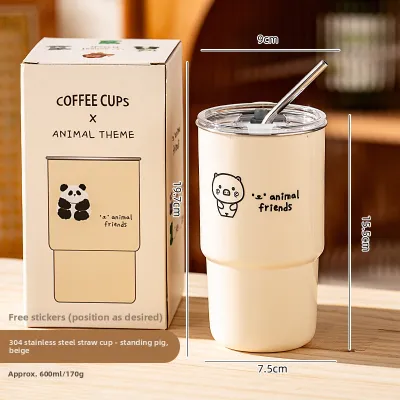
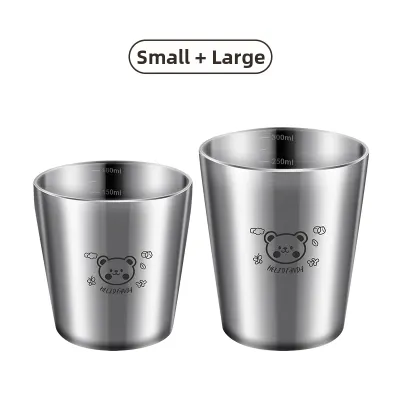
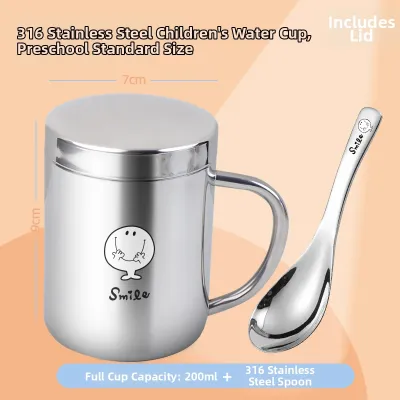
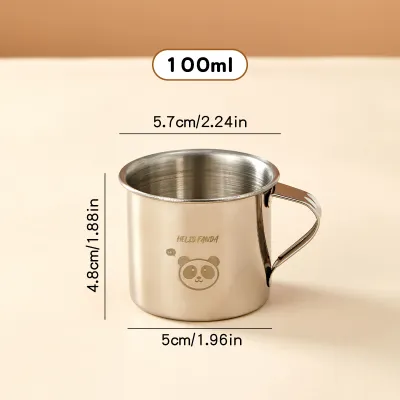
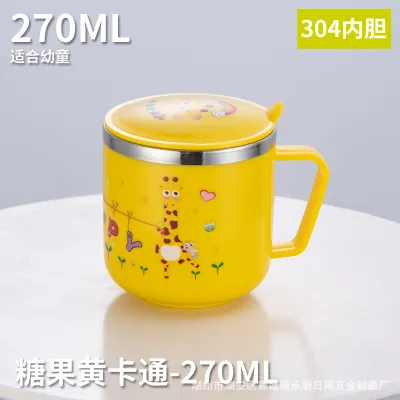
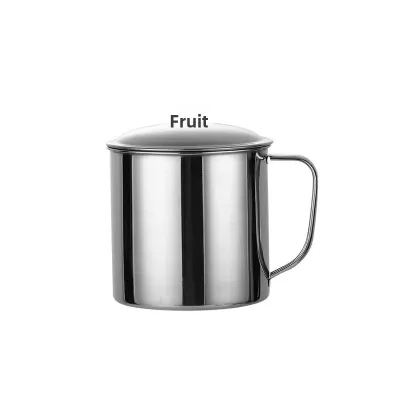
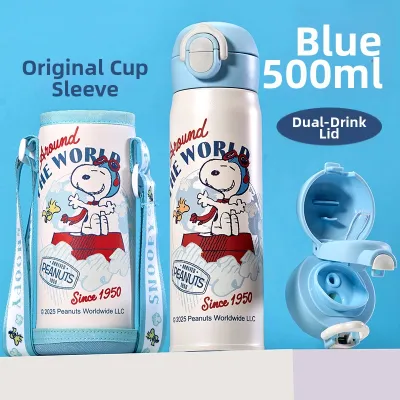
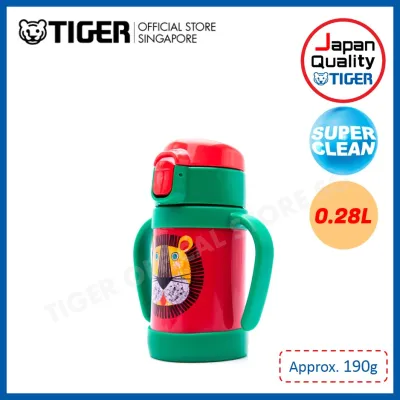
Prices are valid at publication and may change. Please refer to the product page for the latest price.
Understanding Stainless Steel Grades and Labels
When shopping for a kids stainless steel cup, you will often encounter numbers like 304, 316, 18/8, or 18/10 stamped on the base of the cup or printed on the packaging. These numbers are not arbitrary design codes; they represent specific metallurgical grades that define the material’s composition and resistance to corrosion.

The most common grade used for high-quality food containers is 304 stainless steel, which is also frequently referred to as 18/8. The “18/8” designation indicates that the alloy contains approximately 18% chromium and 8% nickel. Chromium is the essential element that reacts with oxygen to form a microscopic, self-healing protective layer on the surface of the steel, preventing rust. Nickel adds structural strength and enhances the metal’s resistance to corrosion from acidic foods and liquids.
Another premium grade you may encounter is 316 stainless steel, often labeled as 18/10, which contains slightly more nickel and a small percentage of molybdenum. This addition significantly increases the metal’s resistance to chloride corrosion, making it highly durable and highly resistant to pitting. While 304 (18/8) is perfectly suited and widely accepted for daily toddler hydration, 316 (18/10) offers an extra layer of durability, though it often comes at a higher price point.
Parents should always look for explicit “food-grade” or “food-safe” declarations from the manufacturer on the product packaging. Do not assume that a cup is safe simply because it is made of metal, as industrial-grade stainless steel may contain higher levels of impurities or lack the necessary corrosion resistance required for food contact.
Verify that the product has undergone independent safety testing by looking for recognized compliance marks, such as those indicating conformity with European Union food contact regulations (LFGB) or United States Food and Drug Administration (FDA) standards. If you are uncertain about a brand’s claims, check the manufacturer’s official website or reach out to their customer service to request their compliance certificates or independent lab test reports.
Ultimately, remember that a material name alone is not an absolute guarantee of safety. A reliable purchase depends on choosing products from reputable manufacturers who provide transparent, verifiable specifications and adhere to strict international quality control standards.
Potential Safety Concerns and Risk Boundaries
While stainless steel is highly stable, parents should be aware of specific conditions under which safety risks can arise. One theoretical concern is the leaching of trace metals, specifically nickel and chromium, into beverages. While food-grade stainless steel is highly resistant to leaching, prolonged exposure to highly acidic liquids—such as pure citrus juices, tomato-based drinks, or carbonated beverages—can slowly wear down the protective oxide layer over time. For daily hydration, it is best to limit the use of the cup to water, milk, or diluted, non-acidic juices, and to avoid leaving highly acidic liquids in the cup for extended periods.
Another important safety consideration is the exterior finish of the cup. Many kids stainless steel cups are coated with colorful paints, powder coatings, or decorative decals to make them visually appealing to toddlers. If these exterior coatings are of poor quality, they can chip, flake, or peel off, presenting an ingestion hazard if your toddler chews on the rim. It is crucial to verify that any exterior paint or coating used by the manufacturer is explicitly certified as non-toxic, lead-free, and phthalate-free.
Additionally, a toddler’s drinking cup is rarely made entirely of metal; it almost always includes plastic or silicone accessories such as lids, straws, bite valves, and leak-proof gaskets. These accessories are in constant contact with the liquid and your child’s mouth. Parents must verify that every single accessory is made from food-grade silicone or BPA-free, non-toxic plastics.
To ensure your child’s safety, establish clear boundaries for when to stop using or replace a cup. Inspect the cup regularly and discard it immediately if you observe deep scratches or gouges on the interior metal surface, which can harbor bacteria and compromise the protective oxide layer.
You should also stop using the cup if you notice any signs of rust or pitting, if the exterior paint begins to flake or peel near the mouthpiece, if the silicone gaskets become warped and difficult to clean, or if your child complains of a persistent metallic taste when drinking.
Safety Checklist for Choosing a Toddler's Cup
Evaluating a kids stainless steel cup before purchasing requires looking closely at its construction, design, and materials. Use the following checklist to ensure the cup you select is safe, practical, and suitable for daily toddler use:
- Smooth, Unlined Interior: Inspect the inside of the cup to ensure it has an electropolished, smooth interior finish with no plastic or chemical linings. High-quality stainless steel does not require a protective inner liner (unlike aluminum cups, which always require a liner to prevent chemical leaching).
- Safe, Choking-Resistant Accessories: Check that all removable parts, such as straws, valves, and gaskets, are made of high-quality, food-grade silicone. Ensure these components are securely attached and designed so that a toddler cannot easily pull them off and swallow them, minimizing potential choking hazards.
- Ergonomic and Stable Design: Look for a cup with rounded, smooth edges along the rim to prevent scratches to your toddler's lips and gums. A wide, stable base or a non-slip silicone sleeve on the bottom helps prevent accidental tipping, while a secure, leak-proof lid mechanism prevents spills, which is especially important if the cup is carried in a diaper bag.
- Ease of Cleaning: Choose a cup design that features minimal crevices, threads, or complex valve systems. Fully removable silicone seals and wide-mouth openings make it much easier to clean every surface thoroughly, preventing the accumulation of mold, yeast, and bacteria in hard-to-reach areas.
Safe Cleaning and Daily Maintenance
Maintaining a strict cleaning routine is essential to keep your toddler’s stainless steel cup hygienic and to prolong its lifespan. For daily cleaning, wash the cup and all its disassembled parts with warm water, a mild dish soap, and a soft sponge or a dedicated bottle brush. Gently scrub the interior of straws and valves using a narrow straw brush to remove any milk or juice residue.
Never use harsh abrasive cleaners, steel wool, scouring pads, or chlorine bleach on a stainless steel cup. These abrasive materials and chemicals can scratch the polished interior surface, strip away the protective chromium oxide layer, and create micro-scratches where bacteria can multiply and rust can form.
Before washing, always consult the manufacturer’s care instructions regarding dishwasher safety. While many high-quality stainless steel cups are labeled as dishwasher-safe, the intense heat cycles and highly alkaline detergents used in dishwashers can degrade exterior paint, loosen powder coatings, and cause silicone gaskets to warp or lose their elasticity over time. If you do use a dishwasher, placing the silicone and plastic accessories on the top rack can help protect them from the heating element.
Regularly inspect all parts of the cup during washing. Over time, silicone gaskets and valves will naturally wear out and may become discolored or harbor mold despite regular cleaning. Plan to replace these silicone components according to the manufacturer’s recommended schedule—typically every six months—or immediately if you notice any signs of tearing, stretching, or persistent odor.
Frequently Asked Questions (FAQ)
Can stainless steel cups keep drinks hot or cold safely for toddlers?
Many kids stainless steel cups feature double-wall vacuum insulation, which is highly effective at keeping drinks cold or warm for hours. While this is excellent for keeping water refreshing in warm tropical climates, it poses a safety risk if used for hot liquids. Vacuum-insulated cups retain heat exceptionally well, meaning a drink that feels warm on the outside of the cup can still be scalding hot on the inside. To prevent accidental burns, never put hot liquids in a toddler’s insulated cup, and always test the temperature of the drink yourself before handing the cup to your child.
Are painted or coated stainless steel cups safe for children?
Yes, painted or coated stainless steel cups are safe for children, provided the manufacturer has certified that the exterior finish is non-toxic, lead-free, and phthalate-free. However, because toddlers frequently drop their cups on hard surfaces or chew on the rims, even high-quality coatings can chip or wear down over time. Parents should regularly inspect the exterior of the cup for any signs of flaking paint. If the coating begins to peel, chip, or crack near the drinking area, stop using the cup immediately to prevent your toddler from accidentally swallowing paint chips.

Community discussion
Share your experience or ask a question. Comments are reviewed before publication.