
Starting weaning is an exciting milestone for parents in Singapore, marking the transition from a liquid diet to a world of diverse textures. As your baby begins to explore self-feeding, choosing the right tools is a top priority. Among the colorful options lining the shelves of local baby boutiques and online marketplaces, plastic forks and spoons are popular due to their lightweight design, affordability, and gentle impact on sensitive gums. However, many parents naturally wonder if these plastic utensils are truly safe for daily use. High-quality, food-grade plastic utensils are generally safe for weaning, provided they are selected with care, used according to manufacturer guidelines, and replaced at the first sign of wear. Understanding what makes a plastic utensil safe involves looking closely at material compositions, safety labels, and proper maintenance practices.
Evaluating the Safety of Plastic Utensils for Weaning
When introducing solid foods, the safety of any feeding tool depends heavily on its material integrity and how it interacts with food and heat. The general consensus among pediatric experts and product safety standards is that food-grade plastics are appropriate for infant feeding when manufactured specifically for this purpose. These materials are engineered to be lightweight and shatterproof, which is crucial when a toddler inevitably drops or throws their utensil onto a hard kitchen floor. Unlike metal, which can conduct heat quickly and potentially burn a baby’s sensitive mouth, or glass, which carries a breakage risk, plastic offers a forgiving texture that supports early motor skill development.
Despite these practical benefits, parents often harbor valid concerns regarding chemical leaching and the potential shedding of microplastics. Chemical leaching typically occurs when plastics are exposed to high temperatures, harsh cleaning agents, or acidic foods, causing chemical bonds to weaken and microscopic substances to migrate into the food. Similarly, physical wear from chewing or abrasive scrubbing can release minute plastic particles. While research into the long-term effects of microplastics is ongoing, parents can significantly minimize these risks by choosing high-quality polymers, avoiding excessive heat exposure, and adhering strictly to recommended usage guidelines.
Products mentioned in this guide
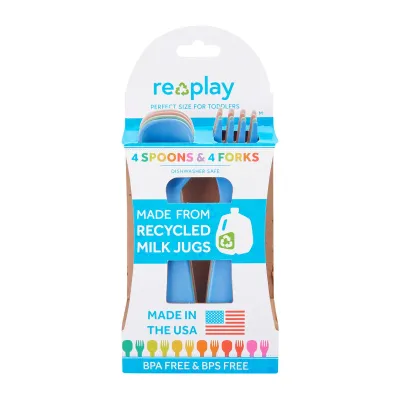
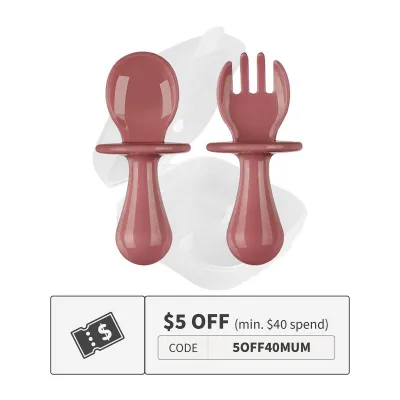
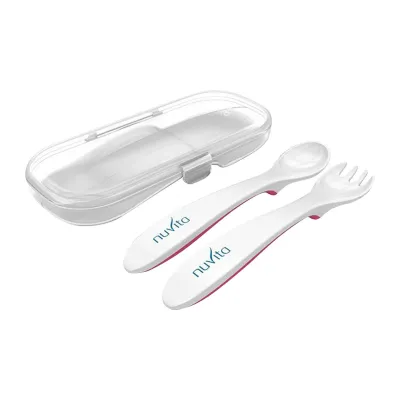
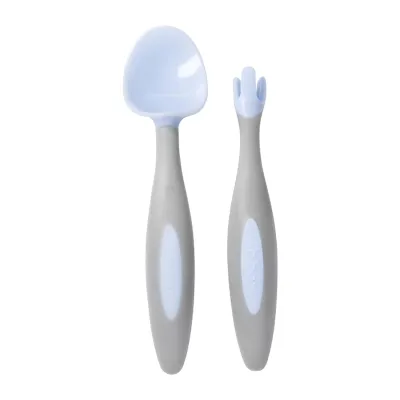
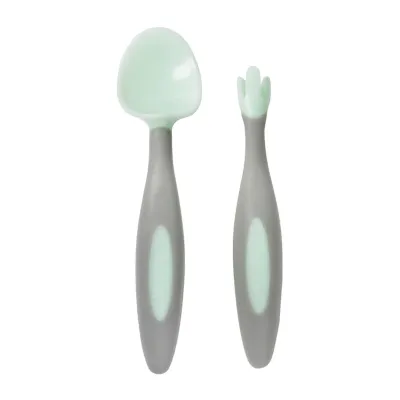
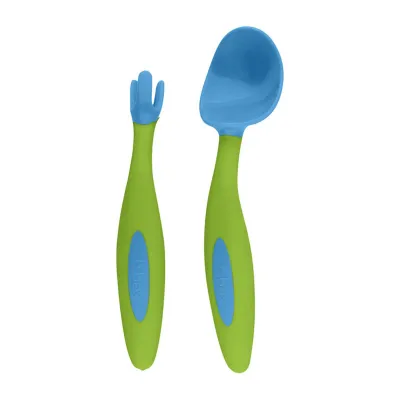
Prices are valid at publication and may change. Please refer to the product page for the latest price.
To ensure safety, it is essential to match the utensil’s design and material to your baby’s specific developmental stage. For infants just starting with smooth purees around six months of age, ultra-soft, shallow spoons are ideal to protect delicate gums and accommodate the early sucking reflex. As your child transitions to self-feeding and develops a pincer grasp, firmer plastic forks with rounded, blunt tines become more appropriate for spearing soft foods. Always check the manufacturer’s age recommendations on the packaging, as these guidelines are designed to prevent choking hazards and ensure the utensil matches your child’s oral motor capabilities.
Essential Labels and Features to Look For When Buying
Navigating the baby care aisle can be overwhelming, but knowing what to look for on product packaging simplifies the decision-making process. The first step in verifying the safety of a plastic fork and spoon is to look for explicit “food-grade” and “BPA-free” (Bisphenol A-free) labels. Bisphenol A is a chemical historically used in the production of certain plastics that has been widely phased out of children’s products due to concerns over its potential impact on development. When shopping on local ecommerce platforms or in physical stores, read the product description carefully to ensure the manufacturer explicitly states that the item is free from BPA, phthalates, and PVC.

In addition to written claims, look for recognized international food-contact safety symbols. The most common of these is the “fork and glass” symbol, which indicates that the material has been deemed safe for contact with food under international regulatory frameworks. You may also encounter resin identification codes—usually a number inside a triangle of arrows. For baby utensils, look for safer plastics such as polypropylene (indicated by the number 5 or “PP”), which is highly heat-resistant and widely considered safe for food contact, or high-density polyethylene (number 2 or “HDPE”). Avoid plastics labeled with number 7 (often polycarbonate, which may contain BPA) unless the manufacturer explicitly certifies them as BPA-free.
Beyond chemical composition, the physical design of the utensil plays a critical role in safety and usability. Inspect the fork and spoon for perfectly smooth edges; any rough seams or sharp plastic flashing left over from the manufacturing process can scratch your baby’s mouth. The handles should be ergonomically designed, featuring non-slip grips or chunky shapes that fit comfortably into small hands. Sturdy construction is equally vital. Test the rigidity of the utensil gently; it should have a slight flex to be gentle on gums but must be robust enough to prevent snapping or splintering under pressure or when chewed.
When evaluating options, you will find a wide range of price points in the market. Basic plastic utensil sets may retail for around S$5, while premium, ergonomically designed sets from specialized baby brands can cost upwards of S$20. While a higher price tag does not automatically guarantee superior safety, premium sets often offer greater material transparency, detailed usage instructions, and more robust construction. When comparing products, look for brands that provide clear information about their manufacturing processes and material testing rather than relying solely on low-cost, unbranded options that lack clear safety labeling.
Safe Usage, Heating, and Cleaning Boundaries
Even the highest-quality plastic utensils require proper handling to maintain their safety and structural integrity over time. The golden rule of using plastic baby forks and spoons is to always consult the manufacturer’s specific instructions regarding heat exposure. Never assume that a plastic item is safe for the microwave, steam sterilizer, or dishwasher unless it is explicitly labeled as such. Different plastic polymers have vastly different melting points and heat tolerances; exposing a non-heat-resistant plastic to high temperatures can accelerate material degradation and increase the risk of chemical leaching.
As a general precaution, avoid exposing plastic utensils to extreme high-heat environments. This means keeping them far away from conventional ovens, toaster ovens, and direct contact with hot stovetops or boiling pots. Even if a spoon is labeled as dishwasher-safe, placing it on the bottom rack close to the heating element can expose it to intense, uneven heat that warps the plastic. To prolong the lifespan of the utensils, consider washing them on the top rack of the dishwasher or, better yet, washing them by hand in warm, soapy water.
Proper cleaning techniques are essential for preventing physical damage and maintaining hygiene. Always use a soft sponge or a microfiber cloth to clean plastic utensils. Avoid abrasive scrubbers, steel wool, or stiff-bristled brushes, as these can create microscopic scratches on the plastic surface. These tiny grooves not only weaken the material over time but also create ideal breeding grounds for bacteria and food residue that are difficult to clean out.
Additionally, be mindful of chemical exposure during cleaning and storage. Avoid soaking plastic utensils for prolonged periods in harsh chemical detergents, bleach solutions, or highly acidic sanitizers unless specifically recommended by the manufacturer. Similarly, try to avoid leaving plastic spoons sitting in highly acidic foods, such as tomato-based purees or citrus juices, for extended periods, as the acids can gradually degrade certain plastic surfaces and cause permanent staining or odor retention.
Signs It Is Time to Replace Plastic Weaning Utensils
Plastic baby utensils are not designed to last forever, and establishing a routine inspection habit is crucial for your child’s safety. Before every meal, take a few seconds to visually inspect your baby’s fork and spoon. Look closely for any signs of surface degradation, such as deep scratches, a cloudy appearance, or permanent discoloration that does not wash away. If a plastic spoon that was once clear or vibrantly colored becomes dull, rough, or sticky to the touch, it is a clear indication that the polymer is breaking down and the utensil should be discarded immediately.
Structural integrity is another critical factor to assess during your routine checks. Gently bend the utensil to check for stress marks—which often appear as white lines in the plastic—or hairline cracks. Pay close attention to the tines of plastic forks and the edges of spoons, as these are the areas most subjected to biting and chewing. If you notice any splitting, warping, or loose parts, dispose of the utensil right away. A cracked or weakened plastic fork tine can easily snap off during a meal, presenting a serious choking hazard for an infant.
As a general rule of thumb, even if there are no obvious signs of damage, consider replacing plastic weaning utensils every few months of regular use, or immediately if they have been subjected to accidental high heat. By staying vigilant and prioritizing immediate replacement over cost savings, you can ensure that your baby’s self-feeding journey remains safe, hygienic, and enjoyable.
Frequently Asked Questions (FAQ)
Can I sterilize plastic baby spoons and forks in boiling water?
Whether you can sterilize plastic baby utensils in boiling water depends entirely on the specific plastic polymer used and the manufacturer’s maximum heat tolerance. Some food-grade plastics, like high-quality polypropylene, can withstand boiling temperatures for short periods, while others may warp, melt, or degrade. Always locate the exact temperature threshold on the product packaging before attempting boiling water sterilization. If the manufacturer advises against boiling or if the packaging does not specify a heat limit, opt for safer, low-heat sterilization methods. These include washing thoroughly with warm, soapy water, using a cold-water chemical sterilizing tablet solution designed for baby items, or utilizing a low-temperature UV sterilizer, provided the manufacturer confirms UV compatibility.
Are silicone utensils a safer alternative to plastic for weaning?
Silicone and plastic are both popular materials for weaning, each offering distinct advantages depending on your needs. Food-grade silicone is highly heat-resistant, generally inert, and possesses a soft, flexible texture that is exceptionally gentle on sore teething gums, making it an excellent choice for early weaning stages. Plastic, on the other hand, is more rigid, which helps older babies learn to scoop denser foods and pierce soft solids with a fork. Regardless of which material you choose, both must be verified as food-grade, BPA-free, and compliant with safety standards. When deciding between the two, consider your baby’s chewing habits—aggressive chewers might bite through soft silicone, whereas rigid plastic might feel too hard on sensitive gums—and choose the material that best aligns with their current developmental stage and your specific mealtime scenarios.

Community discussion
Share your experience or ask a question. Comments are reviewed before publication.