
Confirming whether a 20mm breast pump flange is the correct fit for your anatomy requires a two-step approach: measuring your baseline nipple diameter and evaluating your physical comfort and milk expression during an active pumping session. A 20mm flange is typically considered a smaller-than-standard size, designed for parents whose nipple measurements fall within a specific range. Because an improper fit can lead to discomfort, tissue damage, and reduced milk supply, taking the time to verify your size before purchasing is essential for a successful breastfeeding and pumping journey.
To determine if this specific size matches your body, you must measure the diameter of your nipple base before a pumping session, when your breasts are not engorged. This measurement, combined with the manufacturer’s recommended clearance allowance, provides a reliable starting point. However, because breast tissue is highly dynamic and elastic, the final confirmation always comes from observing how your nipple behaves inside the flange tunnel while the pump is running.
How to Measure for a 20mm Flange
To establish whether a 20mm flange is a logical starting point, you need an accurate measurement of your nipple anatomy. This process requires simple tools and a precise technique to ensure you are measuring the correct tissue.
Products mentioned in this guide
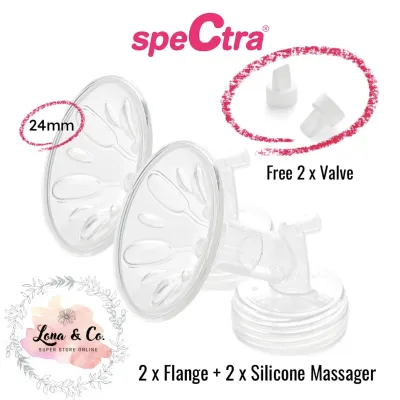
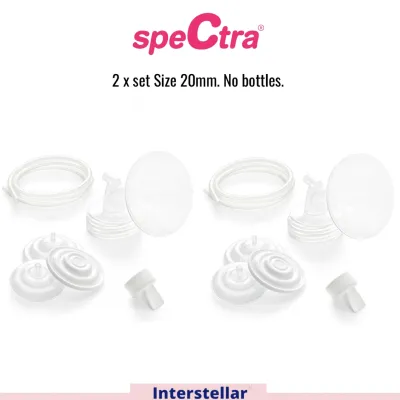
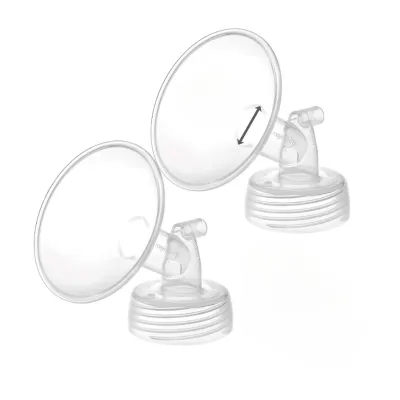
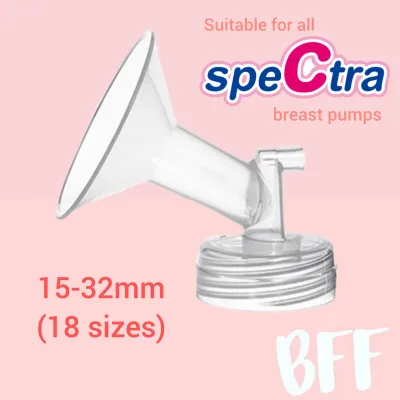
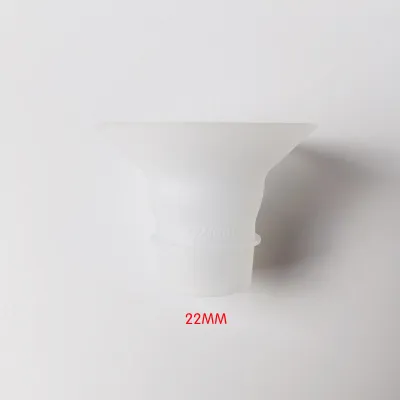
Prices are valid at publication and may change. Please refer to the product page for the latest price.
You will need a rigid ruler with millimeter markings or a specialized circular nipple measuring tool, which is often available as a printable download or a physical silicone card. Find a comfortable space with good lighting where you can clearly see the reflection of your breast in a mirror.
Position the measuring tool directly over your nipple. It is critical to measure only the diameter of the nipple itself, specifically at the base where the nipple meets the areola. Do not include any part of the surrounding areola in this measurement, as doing so will result in an oversized flange recommendation that can cause pain and inefficient pumping.
Once you have the raw measurement of your nipple base in millimeters, you must apply the standard clearance allowance recommended by the manufacturer. For many pump systems, including Spectra, the general guideline is to add 2 to 3 millimeters to your raw nipple measurement to find your target flange size. For example, if your nipple base measures 17mm or 18mm, adding the clearance allowance brings you directly to a 20mm flange size.
Timing is another crucial factor when taking these measurements. For the most accurate baseline, measure your nipples before you begin a pumping session, or at a time when your breasts are not heavily engorged. Engorgement can temporarily distort the size and shape of your nipple, leading to inaccurate measurements that do not reflect your typical pumping state.
Signs Your 20mm Flange Fits Correctly
Once you have selected a 20mm flange based on your measurements, the next step is to evaluate how it performs during an active pumping session. Visual and physical feedback will help you confirm that this size is indeed the correct match for your body.

During operation, observe the movement of your nipple inside the flange tunnel. In a correctly fitting 20mm flange, your nipple should move freely back and forth along the center of the tunnel. It should not rub against the sides of the plastic wall, nor should it be compressed or pinched during the suction cycle.
Pay close attention to how much of your surrounding breast tissue is drawn into the tunnel. A proper fit allows only a minimal, appropriate amount of the areola to enter the flange. The boundary between your nipple and areola should remain distinct, and the delicate skin of the areola should not be pulled deep into the suction path.
Physical comfort is one of the most reliable indicators of a correct fit. While you may feel a pulling sensation as the pump creates suction, pumping should never feel painful, sharp, or pinching. If you can complete a full session comfortably without developing sore spots or persistent skin irritation, your 20mm flange is likely a good fit.
Finally, monitor your milk expression and how your breasts feel after pumping. A well-fitting flange supports efficient milk transfer, allowing your breasts to feel soft, light, and thoroughly emptied at the end of a session. You should not experience localized hard spots, clogged ducts, or a sudden, unexplained drop in your typical milk output.
Warning Signs That Your 20mm Flange Is the Wrong Size
Using the wrong flange size can quickly lead to physical discomfort and impact your milk supply. Recognizing the warning signs of an incorrect fit allows you to make adjustments before experiencing significant tissue damage or supply issues.
If a 20mm flange is too small for your anatomy, you will likely experience friction as your nipple rubs against the narrow walls of the tunnel. This friction can cause the tip of your nipple to turn white, a condition known as blanching, which indicates restricted blood flow. Over time, a tight fit can lead to blisters, cracked skin, and severe nipple pain that makes subsequent pumping sessions highly uncomfortable.
A flange that is too small also restricts the natural expansion of your milk ducts during suction. This restriction can block the flow of milk, leading to incomplete breast emptying, localized engorgement, and an increased risk of developing painful clogged ducts or mastitis. If you notice that your breasts still feel heavy or firm after a full pumping session, the flange tunnel may be compressing your tissue too tightly.
Conversely, if a 20mm flange is too large for you, too much of your areola and surrounding breast tissue will be pulled into the tunnel. This excess tissue can block the milk ducts near the base of the nipple, leading to swelling, bruising, and a loss of effective suction. You might find yourself constantly increasing the pump’s vacuum level to compensate for the poor seal, which only worsens the tissue irritation.
If you experience sharp pain, bleeding, or severe swelling during a session, you should immediately stop pumping. Continuing to pump with an ill-fitting flange can cause long-term tissue damage. Always consult your product manual for troubleshooting steps, and prioritize your physical comfort over completing a scheduled session.
What to Do If the 20mm Flange Does Not Fit
If your assessment reveals that a 20mm flange is not the right fit, there are several practical steps you can take to find a comfortable and efficient solution. Your breast anatomy is not static, and finding the correct setup often requires some adjustment.
Start by re-evaluating your measurements, keeping in mind that your breasts and nipples can change in size throughout your breastfeeding journey. It is common for nipple size to decrease slightly after the initial postpartum swelling subsides, or to change as your milk supply stabilizes over the weeks and months.
If 20mm is too small, you may need to step up to a larger size, such as 24mm, which is often the standard size included with many pump kits. If 20mm is too large, you can explore smaller options. Many parents find success by using compatible silicone flange inserts, which slide directly into a larger flange to reduce the tunnel diameter to sizes like 19mm, 17mm, or even smaller.
When navigating sizing challenges, seeking personalized guidance from a qualified lactation consultant in Singapore can be highly beneficial. A professional can observe your pumping session, evaluate your tissue elasticity, and recommend specific sizing adjustments tailored to your unique anatomy.
When budgeting for replacement parts, keep in mind that purchasing new flanges or sizing kits in Singapore typically involves modest costs. Individual flanges or silicone inserts generally range from S$15 to S$40, depending on the brand and whether they are sold in pairs. Investing in the correct size is a worthwhile step to protect your physical comfort and maintain your milk supply.
Frequently Asked Questions (FAQ)
Can my flange size change over time?
Yes, your flange size can change significantly throughout your breastfeeding and pumping journey. In the early days postpartum, localized swelling and fluid retention can make your nipples appear larger than their baseline size. As this swelling naturally subsides and your milk supply stabilizes, your nipple diameter may decrease, requiring a smaller flange size. Additionally, long-term tissue elasticity changes can alter how your breasts respond to pump suction, making it important to remeasure periodically if you experience new discomfort or a change in milk output.
Should I measure my breasts before or after pumping?
You should always measure your nipples before you begin a pumping session, or when your breasts are not actively engorged. Measuring before pumping provides a true baseline diameter of your nipple tissue in its resting state. Pumping temporarily increases blood flow and causes the nipple to expand and stretch, which can lead to an artificially large measurement. Using a post-pumping measurement to select a flange often results in purchasing a size that is too large, leading to poor suction and discomfort during future sessions.

Community discussion
Share your experience or ask a question. Comments are reviewed before publication.