
Introducing solid foods is a major milestone in your baby’s first year, and apple puree is often one of the very first single-ingredient foods parents choose to offer. While many infants are developmentally ready to begin this transition around six months of age, the decision should never be based on the calendar alone. Every baby develops at their own unique pace, meaning you must look for specific physical and behavioral milestones that signal their digestive system and motor skills are mature enough for solids. Before spooning that first bite of smooth apple puree, it is essential to understand how to evaluate your baby’s readiness, prepare the fruit safely to prevent choking, and monitor closely for any signs of food sensitivity.
Recognizing Readiness Signs for Solid Foods
Determining when to introduce apple puree requires careful observation of your baby’s physical development. One of the most critical indicators is head and neck control; your baby must be able to hold their head steady and upright without assistance. Additionally, they should be able to sit with minimal support, either in a high chair or on your lap, maintaining a stable posture that allows for safe swallowing. If a baby cannot sit upright, the risk of choking increases significantly, making it necessary to delay the introduction of any solid foods.
Behavioral cues are equally important when assessing readiness. You may notice your baby watching you intently while you eat, reaching out for food on your plate, or making chewing motions with their mouth. Another vital developmental milestone is the disappearance of the tongue-thrust reflex. This natural reflex causes young infants to automatically push any solid object out of their mouth with their tongue to prevent choking. Once this reflex diminishes, usually around six months, they can successfully move food from the front of their mouth to the back to swallow it safely.
Products mentioned in this guide
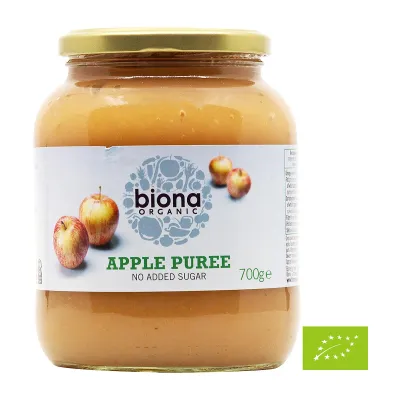
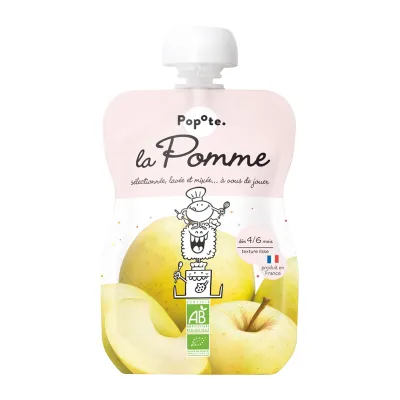
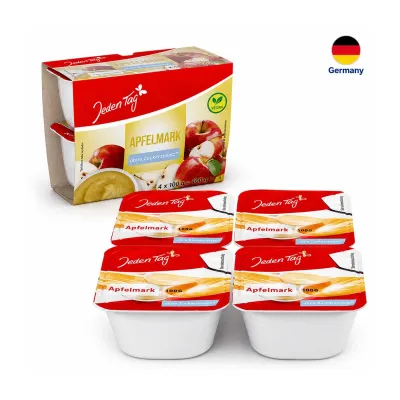

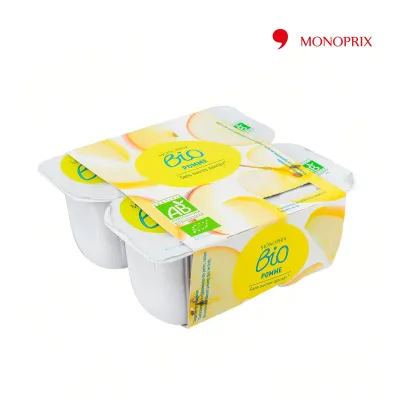
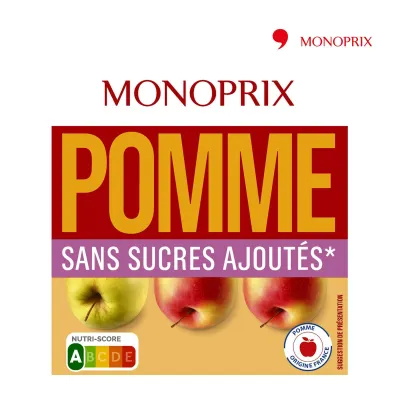

Prices are valid at publication and may change. Please refer to the product page for the latest price.
While these signs provide an excellent guide, you should always confirm your baby’s readiness with a pediatrician before starting solids. A healthcare professional can evaluate your baby’s growth, physical development, and overall health to ensure their digestive tract is ready for foods other than breast milk or formula. Relying solely on age guidelines can be misleading, as some babies may show readiness slightly earlier or later than the typical six-month mark.
Safe Preparation and Serving Methods
Preparing homemade apple puree requires strict adherence to hygiene and safety standards to protect your baby’s delicate digestive system. Begin by selecting fresh, firm apples and washing them thoroughly under running water to remove surface dirt and potential pesticide residues. It is highly recommended to peel the apples completely, as the skin is tough, difficult to digest, and poses a significant choking hazard for infants. After peeling, core the apples carefully, ensuring you remove all seeds and tough fibrous parts from the center.

Cooking the apples is a necessary step to soften the fruit, making it easy to blend into a safe consistency and gentler on your baby’s stomach. Steaming is often preferred as it helps retain the fruit’s natural nutrients, though boiling in a small amount of water is also a highly effective method. Cook the apple pieces until they are completely tender and can be easily mashed with a fork. Avoid adding any salt, sugar, butter, or spices to the cooking water, as your baby’s kidneys and digestive system are not yet equipped to process these additives.
Once cooked, use a clean baby food blender or food processor to puree the apples until they reach a completely smooth, lump-free consistency. For babies who are just starting weaning, the puree should be thin and uniform, without any small chunks or fibers that could cause gagging. If the mixture is too thick, you can adjust the texture by adding small amounts of the cooking liquid, breast milk, or prepared formula.
Before offering the puree to your baby, always perform a temperature check. Stir the puree thoroughly to eliminate any hot spots that may have formed during cooking or warming, and test a small drop on the inside of your wrist. The food should feel lukewarm or cool to the touch. Serving food that is too hot can easily burn your baby’s sensitive mouth and create a negative association with feeding times.
Monitoring for Allergies and Sensitivities
When introducing apple puree—or any new food—it is best practice to follow the “one new food at a time” rule. This method involves offering only apples for three to five days before introducing another new ingredient to your baby’s diet. By keeping the menu simple, you can easily identify the source of any adverse reaction. During this introductory period, avoid mixing the apple puree with other fruits or vegetables that your baby has not previously consumed.
While apples are not considered a highly allergenic food, sensitivities and mild allergic reactions can still occur. Keep a close eye on your baby during and after feeding for signs such as skin rashes, hives, redness around the mouth, or sudden digestive changes like unusual diarrhea or vomiting. It is important to distinguish between normal digestive adjustments and genuine adverse reactions. For instance, a slight change in stool color or consistency is common as the gut adapts to solid food, whereas persistent loose stools, vomiting, or skin flare-ups require immediate attention.
If you suspect a mild sensitivity, stop feeding the apple puree immediately and monitor your baby’s symptoms closely. Keep a food diary to document what was eaten, the quantity, and the specific symptoms observed. If the symptoms persist or cause discomfort, consult your pediatrician for guidance. Never attempt to reintroduce a food that caused a suspected reaction without professional medical advice.
Appropriate Portion Sizes and Feeding Frequency
When first introducing apple puree, the primary goal is exploration and sensory development rather than caloric intake. Start with very small, manageable tasting portions, such as one to two teaspoons once a day. This allows your baby to get used to the new taste and texture of spoon-fed food without overwhelming their small stomach. As your baby becomes more comfortable with swallowing and shows a positive response, you can gradually increase the portion size to a few tablespoons per feeding.
It is crucial to recognize and respect your baby’s fullness cues to foster healthy eating habits from the start. Babies are excellent at regulating their food intake and will let you know when they have had enough. Signs of fullness include turning their head away from the spoon, closing their mouth tightly, pushing the spoon away, or losing interest and becoming distracted. Never force your baby to finish a portion of puree, as this can lead to overfeeding and distress during meal times.
During the early stages of weaning, breast milk or infant formula must remain the primary source of nutrition for your baby. Solid foods like apple puree are meant to complement, not replace, these liquid feeds. Ensure you maintain your regular breastfeeding or formula feeding schedule, offering solids as a fun, educational activity between milk feeds rather than a replacement for them.
When to Stop Feeding and Seek Professional Advice
While weaning is generally a smooth process, there are specific situations where you must stop feeding apple puree immediately and seek professional medical care. If your baby exhibits signs of a severe allergic reaction, such as swelling of the lips, tongue, or face, difficulty breathing, wheezing, or widespread hives, seek emergency medical attention right away. These symptoms can indicate a serious reaction that requires immediate intervention.
You should also pause feeding and consult your pediatrician if your baby consistently refuses the puree, gags repeatedly to the point of vomiting, or shows signs of distress or pain during meals. While mild gagging can be a normal part of learning to swallow, persistent distress or a complete aversion to feeding suggests that your baby may not be developmentally ready or may be experiencing discomfort.
Your pediatrician is your best resource for navigating any challenges during the weaning process. Do not hesitate to contact them if you notice ongoing digestive issues, such as severe constipation or persistent diarrhea, or if you have any concerns about your baby’s growth and nutritional intake. Professional guidance ensures that your baby’s transition to solid foods remains safe, healthy, and positive.
Frequently Asked Questions (FAQ)
Can I give my baby store-bought apple puree?
Yes, store-bought apple puree can be a convenient and safe option for busy parents, provided you select products carefully. Always check the ingredient label to ensure the puree contains only apples and water, with no added sugars, sodium, preservatives, or artificial fillers. Verify the integrity of the packaging, ensuring the safety seal is intact and the product is well within its expiration date. While commercial baby foods offer convenience, preparing homemade puree allows you complete control over the texture and guarantees absolute transparency regarding the ingredients used.
Should I add water or breast milk to thin the puree?
Yes, adjusting the consistency of the puree is highly recommended when your baby is first learning to swallow solids. You can safely thin the apple puree using breast milk, prepared infant formula, or water that has been boiled and cooled to room temperature. Avoid using cow’s milk, fruit juices, or sweetened beverages to thin the mixture, as these are not suitable for young infants and can introduce unnecessary sugars. As your baby’s chewing and swallowing skills improve over the coming months, you can gradually reduce the amount of liquid added to create a thicker, more textured puree.

Community discussion
Share your experience or ask a question. Comments are reviewed before publication.