
To safeguard your baby’s delicate skin, it is essential to avoid fabric softeners that contain synthetic fragrances, artificial dyes, optical brighteners, quaternary ammonium compounds (quats), and harsh preservatives like methylisothiazolinone (MI) or parabens. A baby’s skin is structurally different from an adult’s, possessing a thinner outer barrier that easily absorbs chemical residues left behind on clothing fibers. Because traditional fabric softeners are formulated to remain on fabrics rather than wash away, they pose a continuous risk of contact dermatitis and skin irritation. Before purchasing any baby softener laundry product, parents should carefully review the ingredient list or request the manufacturer’s safety data sheet to verify exactly what goes onto their child’s clothes.
Quick Answer: Key Ingredients to Avoid
When shopping for baby laundry products, a quick scan of the label can help you identify and avoid the most common skin irritants. To keep your baby’s clothing safe and comfortable, look out for the following key ingredient categories:
- Synthetic Fragrances: Often listed simply as "fragrance" or "parfum," these can mask complex mixtures of chemicals that trigger skin sensitivities.
- Artificial Dyes: Colorants added solely for aesthetic appeal that offer no functional benefit to the softening process.
- Optical Brighteners: Chemical agents designed to adhere to fabrics to reflect light, which can cause contact dermatitis on sensitive skin.
- Quaternary Ammonium Compounds (Quats): Active softening agents that can trigger skin and respiratory reactions.
- Harsh Preservatives: Chemicals like parabens or methylisothiazolinone (MI) used to extend shelf life but known to be potential allergens.
Because baby skin is highly permeable, chemical residues from these ingredients can easily penetrate the skin barrier. Checking the ingredient list or requesting a manufacturer’s safety data sheet before purchasing is the most reliable way to ensure a product is safe for your household.
Products mentioned in this guide
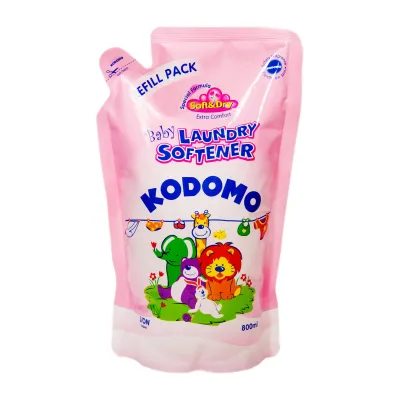
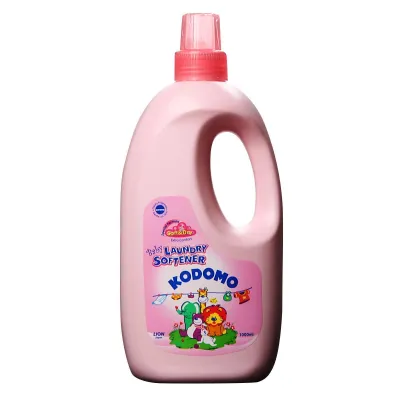
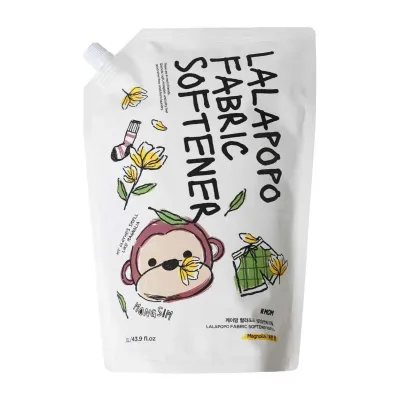
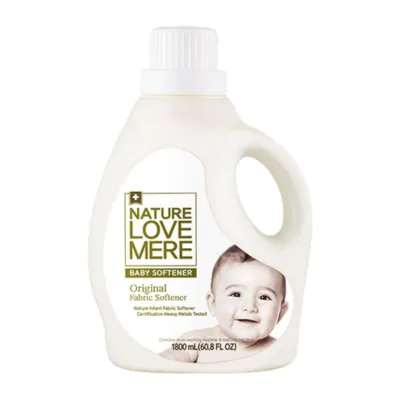
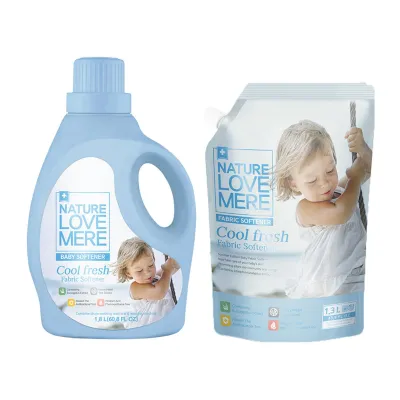
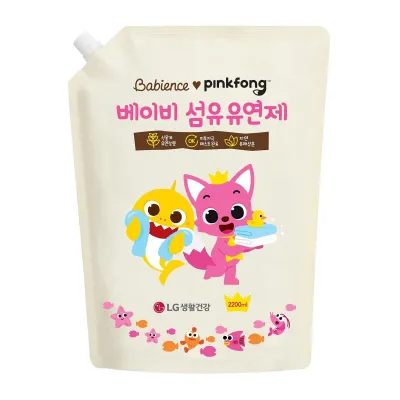
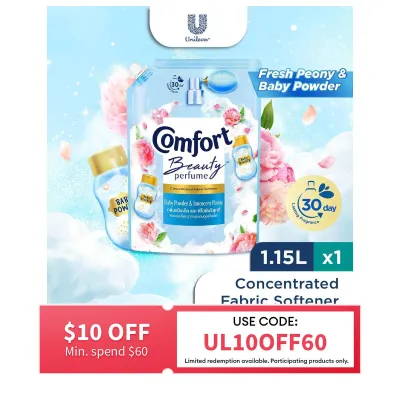
Prices are valid at publication and may change. Please refer to the product page for the latest price.
Why Baby Skin Reacts to Standard Fabric Softeners
Understanding the physiological differences in infant skin helps explain why standard laundry additives can cause sudden irritation. A baby’s skin is not just a smaller version of adult skin; it is structurally unique. The stratum corneum, which is the outermost protective layer of the skin, is significantly thinner in infants. Additionally, babies have a much higher surface-area-to-body-weight ratio. This combination means that any chemical coming into contact with their skin is absorbed more readily and can cause deeper, more immediate irritation.

Standard fabric softeners are designed to work by leaving a thin, lubricating chemical coating over fabric fibers. Unlike detergents, which are formulated to lift dirt and rinse away completely, softeners are added during the final rinse cycle so that their active ingredients remain on the clothes to keep them feeling plush. This means these chemical residues maintain prolonged, direct contact with your baby’s skin throughout the day and night.
When a baby’s skin reacts to these residues, the signals are usually easy to observe. Parents should monitor for unexplained redness, dry or rough patches, localized rashes, or sudden fussiness after wearing freshly laundered clothes. If you notice these signs, it is highly recommended to evaluate your laundry routine and the specific products you use.
Common Irritants and Chemicals to Check on Labels
Many standard fabric softeners rely on complex chemical formulations to achieve their signature softness and long-lasting scents. While these chemicals may be tolerated by adult skin, they pose a much higher risk of irritation for infants. Identifying these specific ingredients on product labels is the first step toward minimizing chemical exposure in your baby’s environment.
Synthetic Fragrances and Phthalates
The term “fragrance” or “parfum” on an ingredient list is often a blanket label for a proprietary blend of undisclosed chemicals. Under current labeling regulations, manufacturers are not required to disclose the individual components of their scent mixtures. A single synthetic fragrance can contain dozens of distinct chemical compounds, many of which are known skin sensitizers.
Phthalates are frequently used as fragrance carriers in commercial softeners to help the scent adhere to the fabric and last longer. Because these compounds can be absorbed through the skin, they are best avoided in any product meant for babies. When choosing a laundry product, look for labels that explicitly state “fragrance-free” rather than “unscented.” Unscented products may still contain masking fragrances designed to neutralize the smell of raw ingredients, whereas fragrance-free formulations contain no added scent chemicals.
Optical Brighteners and Artificial Dyes
Optical brighteners are synthetic chemicals added to laundry products to make fabrics appear whiter and brighter. They work by absorbing ultraviolet light and emitting a blue tint, which masks the natural yellowing of fabrics over time. However, these chemicals are designed to remain bound to the fabric fibers even after the wash and rinse cycles are complete.
Because optical brighteners do not rinse out, they remain in constant contact with your baby’s skin and can easily trigger contact dermatitis. Similarly, artificial dyes used to give liquid softeners their pastel blue, pink, or purple hues serve no functional purpose in fabric care. They are purely aesthetic additives that introduce unnecessary chemical risks to your baby’s clothing.
Quaternary Ammonium Compounds (Quats) and Harsh Preservatives
Quaternary ammonium compounds, commonly referred to as quats, are the active softening agents used in most traditional fabric softeners. While they are highly effective at making fabrics feel plush, they are also recognized skin irritants and respiratory sensitizers. For babies with a family history of asthma or eczema, exposure to quats can trigger or worsen skin flare-ups.
Liquid fabric softeners also require preservatives to prevent the growth of bacteria and mold during storage. Common preservatives like methylisothiazolinone (MI), methylchloroisothiazolinone (MCI), and parabens are highly effective at preserving products but are also notorious allergens. Parents should cross-reference ingredient lists with recognized pediatric dermatology avoidance guidelines to ensure these compounds are absent.
How to Verify and Choose a Safe Baby Fabric Softener
Navigating the laundry aisle can be challenging, especially with the abundance of marketing terms displayed on product packaging. Terms like “natural,” “gentle,” “hypoallergenic,” or “baby-safe” are often used for marketing purposes and are not strictly regulated. A product labeled “gentle” may still contain synthetic fragrances or irritating preservatives that can trigger a reaction in sensitive infants.
To choose a truly safe product, parents should follow a practical verification process:
- Check the active ingredients: Look for plant-derived softening agents, such as those derived from soy, coconut, or other plant sources, instead of synthetic quats.
- Look for third-party dermatological testing claims: Verify if the product has been tested by independent dermatologists, which provides an extra layer of reassurance.
- Verify clear allergen disclosures: Ensure the label explicitly lists all ingredients and highlights the absence of common allergens.
If a brand does not fully disclose its ingredient list on the bottle, do not hesitate to check the brand’s official website or contact their customer service to request a Safety Data Sheet (SDS). Before committing to washing an entire load of baby clothes with a new product, always perform a simple patch test. Wash a single small item, such as a baby sock or washcloth, with the new product, have your baby wear or use it for a day, and monitor their skin closely for any signs of redness or irritation.
Safe Laundry Practices and Alternatives to Traditional Softeners
You do not need to rely on chemical fabric softeners to keep your baby’s clothes soft and comfortable. There are several safe, physical alternatives and laundry habits that can achieve the same results without introducing chemical residues to your baby’s garments.
One of the most effective alternatives is using 100% wool dryer balls in your tumble dryer. These balls bounce between the layers of clothing as they dry, naturally separating the fabrics and softening them mechanically. They also help reduce static cling and shorten drying times without leaving any chemical residue behind.
Your washing machine routine also plays a significant role in fabric softness. Avoid overloading the washing machine, as crowded loads prevent water and detergent from circulating freely, which can leave stiff detergent residues on the clothes. Running an extra rinse cycle can help ensure all detergent is thoroughly flushed out of the fabric fibers.
Another natural option is adding half a cup of distilled white vinegar to the fabric softener compartment during the rinse cycle. Vinegar helps break down mineral deposits and detergent buildup, leaving clothes naturally soft. However, always check your washing machine manufacturer’s guidelines first, as the acidity of vinegar can potentially degrade rubber seals in certain washing machine models over time. If your baby exhibits persistent skin irritation or discomfort, stop using all laundry additives immediately and consult a pediatrician or a qualified dermatologist.
Frequently Asked Questions (FAQ)
Can I use regular fabric softener if I double-rinse the clothes?
No, relying on extra rinse cycles is not a reliable way to make standard fabric softeners safe for baby clothes. Fabric softeners are specifically formulated to deposit a chemical coating that binds tightly to fabric fibers and resists washing away. Because a significant amount of chemical residue will remain even after multiple rinses, the most reliable strategy is to avoid products containing irritating ingredients entirely.
Are plant-based or organic fabric softeners always safe for babies?
Not necessarily. While plant-based or organic softeners are often free from synthetic chemicals, they can still contain natural ingredients that act as potent allergens or skin irritants. For example, natural essential oils like lavender, tea tree, or citrus are frequently added for scent but can trigger allergic contact dermatitis in sensitive infants. Parents should still read the full ingredient list and prioritize fragrance-free formulations, regardless of any organic or natural labels.
When should I stop using fabric softener on my baby's clothes?
You should stop using fabric softener immediately if you notice any observable signs of skin distress on your baby. These include unexplained red rashes, dry or rough patches, hives, or increased fussiness after wearing freshly laundered clothes. If you discontinue use and the symptoms persist or worsen, consult a pediatrician or a qualified dermatologist for professional guidance.

Community discussion
Share your experience or ask a question. Comments are reviewed before publication.